Comprehensive Guide to Brake Maintenance and Bleeding for Audi Vehicles
Maintaining the braking system of your Audi is essential for ensuring optimal performance, safety, and longevity. This guide will cover the importance of regular brake maintenance, including the critical process of brake bleeding, which helps to remove air from the brake lines.
Understanding Brake Maintenance
Indicators for Maintenance: Common signs that your Audi may need brake maintenance include:
Squeaking or screeching noises
Vibrations or pulsations during braking
A spongy brake pedal feel
Reduced braking power
Illumination of the ABS light or other dashboard warning lights
Brake System Inspection: Regular visual inspections can identify excessive wear or damage on brake pads and rotors, low brake fluid levels, and other potential issues.
Importance of Brake Bleeding
Air in the brake lines can lead to brake fade, reduced stopping power, and a spongy brake pedal, which are major safety concerns, especially in Audi vehicles known for their intricate braking systems. Brake bleeding is necessary to ensure that your vehicle’s braking system operates effectively and safely.
Types of Brake Pads and Fluids
Brake Pads: Audi vehicles may use semi-metallic, ceramic, or organic brake pads, each with specific advantages:
Semi-metallic: Excellent stopping power and heat dissipation.
Ceramic: Quiet operation and less dust.
Organic: Cost-effective and ideal for normal driving conditions.
Brake Fluid: Audi vehicles typically require DOT 3, DOT 4, or DOT 5.1 brake fluid, depending on the model. It’s crucial to use the fluid type specified in your vehicle’s owner manual:
DOT 3 and DOT 4: Suitable for most Audi models, offering a higher boiling point necessary for the high-performance demands.
DOT 5: Not commonly used in most recent Audi models but may be specified for certain older versions or performance models.
Steps for Bleeding Audi Brakes
Preparation:
Ensure the car is on a flat surface and the engine is turned off.
Locate the brake fluid reservoir and the bleeder valves on each wheel.
Tools Needed:
Brake bleeder wrench
Brake bleeder kit or vacuum pump
New brake fluid specified for your Audi model
Collection bottle for old fluid
Protective gloves and safety glasses
Bleeding Process:
Start with the wheel furthest from the brake fluid reservoir, typically the rear passenger side.
Attach the brake bleeder tube to the bleeder valve and place the other end in a collection bottle.
Open the valve and have an assistant press the brake pedal to push out the fluid and air.
Close the valve before releasing the pedal to avoid sucking air back into the system.
Repeat the process on each wheel in the correct order: rear driver’s side, front passenger side, and finally the front driver’s side.
Constantly monitor the brake fluid level in the reservoir to ensure it doesn’t run low.
Best Practices and Tips
Fluid Replacement: Replace the brake fluid entirely every two to three years or as recommended in your Audi’s maintenance schedule.
Regular Checks: Frequently check the brake fluid level and pad wear, especially if you notice changes in braking performance.
Professional Assistance: If you’re uncertain about performing brake maintenance yourself, seek professional service to ensure safety and proper handling.
Conclusion
Regular maintenance and proper bleeding of the brakes are pivotal for the safety and efficiency of your Audi. By following the guidelines outlined above, you can maintain the high-performance braking expected of an Audi and ensure your vehicle remains safe on the road. Remember, when in doubt, consult a professional to handle complex brake maintenance tasks.
Comprehensive Guide to Replacing Brake Rotors and Pads on Your Vehicle
Replacing brake rotors and pads is essential for maintaining the safety, efficiency, and performance of your vehicle. This guide will walk you through the process, helping you understand when replacements are needed, and how to perform them safely and effectively.
Signs That It’s Time to Replace Brake Rotors and Pads
Wear Indicators: Many brake pads have built-in indicators that cause a high-pitched squealing noise when the pads are too thin.
Visual Wear: If the pad thickness is less than 1/4 inch, it’s time for a replacement.
Vibrations or Pulsations: These sensations during braking can indicate warped rotors.
Reduced Braking Power: If stopping your car takes longer than usual or requires more pedal pressure, your brakes may be worn out.
Noises: Squealing, screeching, or grinding noises are clear indicators that your brake pads or rotors need attention.
Tools and Supplies Needed
Jack and jack stands
Lug wrench
C-clamp or caliper piston tool
Ratchet and socket set
Torque wrench
Brake cleaner
High-quality brake pads and rotors
Brake lubricant
Protective gloves and safety glasses
Step-by-Step Guide to Replacing Brake Pads and Rotors
Preparation
Safety First: Ensure the car is parked on a level surface, apply the parking brake, and place wheel chocks behind the rear tires.
Lift the Car: Use the jack to lift the car, then securely support it with jack stands.
Removal
Remove the Wheels: Use the lug wrench to loosen and remove the lug nuts, then take off the wheels.
Remove the Caliper: Unbolt the caliper using a ratchet and carefully hang it with a wire hanger or a dedicated holder to avoid stress on the brake hose.
Remove the Old Pads and Rotor: Take out the old brake pads, then remove the rotor. If the rotor is stuck, a few gentle taps with a rubber mallet can help loosen it.
Installation
Install New Rotor: Clean the new rotor with brake cleaner to remove any protective coating, then install it onto the hub.
Compress the Caliper Piston: Use a C-clamp or a caliper piston tool to push the piston back into the caliper housing to make room for the new, thicker pads.
Install New Pads: Apply brake lubricant to the back of the pads where they contact the caliper assembly, then install them in the caliper.
Reattach the Caliper: Place the caliper back over the new pads and rotor, and bolt it securely.
Finishing Touches
Reattach the Wheels: Put the wheels back on, hand-tighten the lug nuts, lower the car from the jack stands, and then tighten the lug nuts in a star pattern with the torque wrench to the manufacturer’s specifications.
Bed the Brakes: Follow the bedding-in process recommended by the brake pad manufacturer. This usually involves several stops from varying speeds to properly mate the brake pad material with the rotor surface.
Tips for Successful Brake Replacement
Choose High-Quality Parts: Opt for the best quality brake pads and rotors that you can afford. They last longer and perform better, ensuring your safety.
Regular Maintenance: Regularly check and maintain your brakes to prevent future issues and ensure optimal performance.
Professional Help: If you’re not confident in your ability to replace the brakes safely, it’s wise to seek professional assistance. This is particularly important if you encounter unexpected issues during the replacement process.
By following this detailed guide, you can successfully replace your vehicle’s brake pads and rotors, enhancing your safety and the performance of your brakes. Always prioritize safety by using the right tools and techniques, and by performing regular maintenance checks on your vehicle’s braking system.
FAQs about Brake Pad and Rotor Replacement
How often should brake pads and rotors be replaced?
Brake pad and rotor replacement frequency depends on several factors, including your driving habits and the type of vehicle you own. However, a general guideline is to replace brake pads every 30,000 to 70,000 miles (48,000 to 112,000 kilometers) and rotors every 50,000 to 70,000 miles (80,000 to 112,000 kilometers). Regular inspections by a mechanic can help determine the optimal replacement schedule for your specific vehicle.
Can I replace just one brake pad or rotor, or should I do all four?
Ideally, it’s recommended to replace all brake pads and rotors on the same axle (front or rear) simultaneously. This ensures even braking performance and minimizes the risk of uneven wear. However, if your vehicle’s brake components are in good condition, and you’re experiencing issues with only one set of brakes, it may be possible to replace just the pads or rotors on that axle. Consult with a professional mechanic for guidance.
Are there any performance brake pads and rotors available?
Yes, there are performance brake pads and rotors designed for drivers who want improved braking performance, such as shorter stopping distances and better heat dissipation. These performance-oriented components are often made of different materials and may provide enhanced braking under high-stress conditions. Keep in mind that performance brake pads and rotors may produce more dust and noise, so it’s essential to consider your driving needs and preferences when choosing them.
How can I tell if my rotors are warped?
Warped rotors can lead to brake pulsation and diminished braking performance. You may feel a vibration or pulsation through the brake pedal when you apply the brakes. Additionally, you might hear a repetitive thumping noise while braking. A mechanic can measure rotor thickness and runout to determine if your rotors are indeed warped and in need of replacement.
Can I replace brake pads and rotors on all car models?
While brake pad and rotor replacement is a standard maintenance procedure for most vehicles, it’s essential to consult your car’s manual and follow manufacturer recommendations. Some high-performance or specialized vehicles may have unique braking systems that require specific components. Always ensure that the brake pads and rotors you choose are compatible with your car’s make and model.
How to change front brake discs brake rotors on Audi
Conclusion
As we conclude this comprehensive guide to brake pad and rotor replacement, it’s essential to recap the key takeaways and emphasize the importance of regular brake maintenance for enjoying safer and more efficient braking.
Recap of Brake Pad and Rotor Replacement Steps
Throughout this guide, we’ve delved into the intricate process of replacing brake pads and rotors on your vehicle. Here’s a brief summary of the critical steps involved:
Understanding Brake Components: We began by dissecting the anatomy of brake pads and rotors, exploring the different types available, and highlighting the significance of choosing the right components.
Gathering Tools and Materials: In the preparation phase, we discussed the essential tools needed for a successful brake replacement job, along with additional materials to ensure a smooth process.
Prioritizing Safety: Ensuring safety should always be your top priority. We covered the steps to take before lifting your vehicle, including chocking the wheels and wearing the appropriate safety gear.
Replacing Brake Pads: Detailed instructions were provided for removing old brake pads, installing new ones, lubricating caliper slides, and skillfully reassembling the brake caliper.
Replacing Brake Rotors: Replacing brake rotors involves several steps, including removing the old rotors, installing new ones, reassembling the caliper bracket, and thoroughly testing the brake system.
Properly Bedding In: The importance of bedding in new brake pads and rotors cannot be overstated. We covered the steps for this crucial process and discussed the signs of a successful bedding in.
Common Mistakes to Avoid: To help you avoid common pitfalls, we highlighted safety measures, proper component selection, the significance of bedding in, and the importance of correct torque settings.
The Importance of Regular Brake Maintenance
Your vehicle’s braking system is a critical safety feature, and regular maintenance is crucial for its optimal function. Neglecting brake maintenance can lead to safety risks, increased stopping distances, and expensive repairs down the road. By following the steps outlined in this guide and replacing brake pads and rotors as needed, you’ll ensure that your vehicle’s brakes perform at their best.
Enjoying Safer and More Efficient Braking
The goal of brake pad and rotor replacement is to provide you with safer and more efficient braking. When your vehicle’s braking system is in top condition, you can confidently navigate the roads, knowing that you have reliable stopping power at your disposal. Regular brake maintenance not only enhances safety but also contributes to a smoother driving experience.
Incorporate the knowledge and skills gained from this guide into your car maintenance routine. Whether you choose to perform brake replacement yourself or seek professional assistance, you now have a solid foundation to ensure that your vehicle’s brakes are in excellent working order. Your safety and the safety of others on the road depend on it.
Comprehensive Guide to Managing Common Brake Issues in Audi Vehicles
Brake issues in Audi cars can range from minor annoyances to serious safety hazards. Understanding these issues, their symptoms, and potential causes is crucial for maintaining the performance and safety of your vehicle.
Common Symptoms and Causes of Brake Problems in Audi Vehicles
Noises: Squeaking, screeching, or grinding noises are often the first indicator of brake problems. These sounds typically suggest worn brake pads or rotors.
Vibrations: Unusual vibrations or pulsating sensations when braking can indicate warped rotors.
Brake Pedal Feel: A spongy or soft brake pedal might suggest air in the brake lines, while a hard pedal could indicate problems with the master cylinder.
Reduced Braking Power: If stopping your car takes longer than usual, this could be a sign of various issues, including worn pads, low brake fluid, or compromised brake lines.
ABS Light: The illumination of the Anti-lock Braking System (ABS) light on your dashboard can indicate faults within this critical safety system.
Warning Lights: Any other brake-related warning lights should be taken seriously and investigated promptly.
Diagnostic Steps for Identifying Brake Issues
Visual Inspection: Check for obvious signs of wear or damage on the brake pads, rotors, and calipers. Ensure there’s sufficient brake fluid in the reservoir.
Auditory Inspection: Listen for any abnormal noises while braking, which could help pinpoint the issue’s location and nature.
Driving Test: Conduct a safe driving test to assess the brake pedal feel and overall braking performance.
Use of Diagnostic Tools: Employ an OBD-II scanner or specific Audi diagnostic tools to read trouble codes from the vehicle’s computer system. These codes can provide detailed insights into problems that are not immediately apparent.
Repair and Maintenance Strategies
Replace Worn Components: Use high-quality replacement parts to replace worn brake pads and rotors to ensure optimal performance and durability.
Caliper Maintenance: Ensure that brake calipers are functioning correctly and not sticking, which can cause uneven brake wear and poor performance.
Fluid Maintenance: Regularly check and replace brake fluid to maintain its effectiveness and prevent contamination.
System Bleeding: Bleed the brake system to remove any air pockets that can adversely affect brake responsiveness.
ABS System Checks: Address any ABS system issues immediately to ensure that this critical safety feature is functioning correctly.
Preventive Measures to Avoid Future Brake Issues
Routine Checks: Perform regular inspections of your Audi’s brake system as part of scheduled maintenance.
Address Issues Promptly: Take care of minor issues before they escalate into major problems.
Quality Parts: Always opt for high-quality or OEM parts for replacements to ensure reliability and performance.
Defensive Driving: Adopt a driving style that minimizes brake wear, such as avoiding sudden stops and maintaining a reasonable following distance.
Embracing New Technologies and Trends
Advanced Materials: Consider upgrades like carbon ceramic brakes for better performance and longevity.
Smart Technology: Utilize smart brake pads and sensors that provide real-time data on wear and performance.
Sustainability: Look into sustainable and regenerative braking solutions to enhance efficiency and reduce environmental impact.
Conclusion
Effective management of brake issues in Audi vehicles requires a combination of regular maintenance, prompt repairs, and staying informed about the latest automotive brake technologies. By adhering to these practices, Audi owners can ensure their vehicle remains safe, reliable, and enjoyable to drive. Always prioritize safety and consult with a professional mechanic or Audi specialist for complex brake issues or when in doubt.
The search for a 2012 Audi A6 cooling fan fuse can be compared to the hunt for a needle in a haystack. With so many parts and components located throughout the vehicle, it can be difficult to determine where exactly the fuse is located.
But by following these steps, anyone can locate and replace the fuse without any complications.
This article will provide detailed instruction on how to identify, locate, and replace the cooling fan fuse in a 2012 Audi A6 with ease.
Key Takeaways
The fuse box in the 2012 Audi A6 is typically located on the driver side of the dash panel near the door, but it may be behind a protective cover or hidden in other areas such as the glove compartment or under seats.
It is important to visually inspect all fuses for damage or burnout and test each fuse using a voltmeter or test light to confirm functionality.
When replacing the cooling fan fuse, locate the interior fuse box beneath or to the side of the dashboard and use a wiring diagram to identify the correct fuse. Use a fuse puller tool to remove the old fuse and replace it with a new one that meets its specifications.
Regularly checking fuses and performing preventive maintenance can help avoid potential problems with the vehicle and ensure proper functioning of the cooling fan to prevent overheating.
Locating the Fuse Box
The location of the fuse box in an Audi A6 can be found by consulting the owner’s manual. The fuse box for the Audi A6 is typically located on the driver side of the dash panel near the door.
But where is cooling fan fuse box of 2012 Audi A6 located? The fuses are not in the e-box under the ECM and washer reservoir. They are in a separate panel under the crossmember, located under the plenum cover and crossmember in the center rear of the engine compartment.
It may also be located behind a protective cover that needs to be removed from its mounting position before access can be gained to it.
Some models may have their fuse boxes inside glove compartments or hidden under seats.
It is important to ignore any warning signs and take preventative maintenance measures, such as checking fuses regularly, to avoid potential problems with the vehicle.
Once located, individual fuses should be inspected for damage and replaced if needed using a suitable replacement part. To ensure optimal performance of all electrical components, it is recommended that only genuine Audi parts are used when replacing fuses.
Identifying the Cooling Fan Fuse
Identifying the relevant fuse for cooling system operation is a necessary step in troubleshooting. In an Audi A6, the cooling fan fuse is typically located under the hood, near the alternator connection and temperature sensor. To determine which fuse is associated with this system:
Consult your vehicle’s manual.
Check all fuses visually to see if any appear to be damaged or burnt out.
Test each fuse using a voltmeter or test light to confirm functionality and amperage rating of each component connected to it.
Once identified, replacing the cooling fan fuse can help restore normal functioning of your car’s cooling fan system and prevent overheating of other engine components.
Replacing the Cooling Fan Fuse
Replacing the relevant fuse for cooling system operation is a necessary step in troubleshooting. In an Audi A6, the cooling fan fuse can be located in the interior fuse box, which is usually located beneath or to the side of the dashboard. The exact location will vary depending on model and year of production.
To replace it, one must first identify which fuse is responsible for powering the cooling fan by consulting a diagram of the car’s wiring system. After identifying and locating this fuse, use a fuse puller tool to remove it from its slot before replacing it with another that meets its specifications.
It may also be beneficial to check other electrical components associated with the cooling fan as part of a comprehensive troubleshooting process.
Troubleshooting the Cooling Fan
Diagnosing the source of cooling fan issues may require additional troubleshooting steps. To prevent overheating, it is important to ensure that the cooling fan is functioning properly. The Audi A6 cooling fan may produce noises when running, and these should be noted and addressed.
Inspecting all external components for wear or damage.
Checking belts to ensure they are in good condition and tightness.
Testing current draw on the motor to verify if there are any faulty connections or a blocked system.
Tips for Avoiding Cooling Fan Fuse Problems
It is important to take steps to prevent cooling fan fuse problems, such as regularly inspecting the fuse and its components. Prevention of costly repairs or replacement can be achieved through preventive maintenance that includes checking the condition of the fuse and its connections. This should be done especially in climates where extreme temperatures are encountered.
It is also helpful to ensure that all electrical components are properly wired together for optimal climate control. Furthermore, if an issue arises with the cooling fan fuse, a licensed technician should be consulted right away in order to make any necessary repairs or replacements.
Taking these measures can help avoid unnecessary costs associated with cooling fan fuse issues.
Audi A6 Cooling Fan Diagram
Frequently Asked Questions
How Do I Know if My Audi A6 Has a Cooling Fan Fuse?
To determine if an Audi A6 has a cooling fan fuse, one should check the coolant temperature. If it is significantly higher than normal, then there may be an issue with the fuse. A technician can inspect and verify the fuse rating to ensure proper electrical flow to the cooling system.
What Type of Fuse Is Used for the Cooling Fan?
According to research, an estimated 50% of cars globally have a cooling fan fuse. To diagnose and repair the fan, it is important to understand the various fuse types available. In most cases, a medium-duty blade or ceramic fuse is recommended for the cooling fan in order to effectively protect the electrical system while providing reliable power delivery.
Is It Necessary to Disconnect the Battery When Replacing the Cooling Fan Fuse?
When replacing the cooling fan fuse, it is recommended to disconnect the battery in order to properly perform a malfunction diagnosis and fuse testing. This will ensure accuracy and safety when working on the system, allowing for more freedom of action while avoiding potential hazards.
Is There an Easier Way to Replace the Cooling Fan Fuse?
The cooling fan fuse can often be replaced without disconnecting the battery. To do so, it is important to first test the fuse and check for any underlying overheating problems that may have caused the fault. If necessary, a replacement fuse can then be installed with minimal effort and disruption to ensure continued reliable operation.
How Can I Prevent Future Cooling Fan Fuse Issues?
Regular maintenance of the cooling fan and its wiring can prevent future fuse issues. Checks should be done to ensure that all connections are properly secured and any faulty wiring is identified and replaced promptly. This will ensure efficient operation with minimal disruption.
In order to avoid future issues with the cooling fan, it is important to ensure that all fuses are replaced with the correct amperage rating. For example, if a 20 amp fuse was replaced with a 15 amp fuse in a 2012 Audi A6, this could lead to electrical short circuiting or worse.
It is essential to follow manufacturer guidelines when replacing any type of automotive fuse.
Reaching for the stars, Audi A8 owners can now take their driving experience to new heights with the addition of 22-inch wheels.
From increased performance capabilities to improved aesthetic appeal, these larger wheels offer distinct advantages that should not be overlooked.
This article takes a closer look at the pros and cons of 22-inch wheels for the Audi A8, providing readers with an evidence-based perspective on this upgrade option.
Key Takeaways
Customizing options for a unique look
Improved aesthetic appeal
Better stability and enhanced performance
Trade-offs in terms of ride quality, maintenance needs, and potential decrease in fuel consumption
Pros and Cons of 22-Inch Wheels
The installation of 22-inch wheels on an Audi A8 has both advantages and disadvantages.
Customizing options is one of the main benefits, as this modification allows for a unique look that stands out from the rest of the models on the road.
Larger wheel sizes can provide better stability when driving at higher speeds or in adverse conditions like rain or snow.
However, there are some drawbacks to consider too.
The ride quality may be compromised with bigger wheels due to their heavier weight and stiffer suspension, resulting in a rougher drive.
Fuel consumption may be affected due to the extra drag created by larger tires with lower profiles.
When choosing an Audi A8 for 22-inch wheels, it is important to consider these pros and cons carefully before making a decision.
With this information in mind, drivers can make an informed choice that meets their individual needs and preferences.
Audi A8 tire size for 22-inch wheels
When upgrading to 22-inch wheels on an Audi A8, selecting the appropriate tire size is a critical decision. The right tire size ensures proper fitment, maintains performance characteristics, and contributes to a safe and comfortable driving experience.
For Audi A8s with 22-inch wheels, common tire size options include:
255/30R22: This tire size is a popular choice for A8 owners looking to maintain a balance between performance and comfort. The “255” represents the tire’s width in millimeters, the “30” indicates the tire’s aspect ratio (height as a percentage of width), and “22” signifies the wheel diameter in inches. This size provides a sporty look and good handling characteristics.
265/30R22: Slightly wider than the 255/30R22, the 265/30R22 tire offers a bit more grip and a more aggressive stance. It’s a common choice for those seeking improved traction and cornering performance.
285/30R22: For Audi A8 owners who prioritize performance and handling, the 285/30R22 tire size provides even more contact with the road. This wider tire enhances grip, making it suitable for spirited driving.
Choosing the right tire size depends on individual preferences and driving needs. A wider tire generally offers better traction and grip but may result in a firmer ride. Additionally, it’s essential to consider the overall diameter of the tire to maintain accurate speedometer readings and prevent any issues with the car’s suspension and fender clearance.
Choosing the Right Audi A8 for 22-Inch Wheels
Selecting an automobile to accommodate 22-inch wheels requires careful consideration. When it comes to the Audi A8, customizing options and styling trends are key factors in making sure that the car provides both a sense of luxury and freedom.
Quality materials for perfect detailing
A range of engine sizes for optimal power output
Dynamic design features for a unique look
The attention to detail is unparalleled with this model, as details such as chrome exhausts, full LED headlights, and sunroofs provide an elegant touch.
Comprehensive knowledge of the model is also necessary to ensure the desired result – whether it be comfort, performance or style – is achieved.
Evidence-based writing further suggests that when customized correctly, including adding 22-inch wheels, Audi A8 owners can expect a vehicle that exudes luxury and freedom at every turn.
When customizing a car with 22-inch wheels, it is important to consider the associated maintenance needs. Increased noise levels due to larger tires are common, as well as increased suspension wear due to additional weight of the rims. This can result in decreased fuel efficiency and a need for more frequent tire rotations and alignments.
The Audi A8 is equipped with adaptive air suspension which may allow for better handling of the added weight of the 22-inch wheels, however it is important to be aware of how this will affect wear and tear on other components.
Larger brakes should be considered when upgrading to 22-inch wheels since they require more stopping power than smaller wheels.
Good quality wheel locks should be installed to protect against theft or damage from road hazards.
Cost of Installing 22-Inch Wheels on an Audi A8
Installing 22-inch wheels on an Audi A8 can be a costly endeavour, with prices ranging from several hundred to several thousand dollars. Depending on the type of wheel chosen, additional costs may include:
Professional installation and alignment services
Larger tires to accommodate the larger wheel size
Performance modifications needed for fuel efficiency and tire wear.
To ensure optimal performance, drivers should choose quality materials that are specifically designed for their model. When it comes to selecting a set of 22-inch wheels for an Audi A8, research is key in order to find the correct fit.
While this option will likely provide more freedom in terms of customization, it also requires careful consideration regarding cost effectiveness and fuel efficiency. Tire wear must also be taken into account when installing larger wheels as this could lead to increased expenses down the line.
Audi A8 Aftermarket Wheels
Aftermarket wheels provide a wide array of options beyond what the manufacturer offers, allowing car enthusiasts to truly make their A8 stand out.
When exploring aftermarket wheels for the Audi A8, there are several factors to consider. Wheel size is one of the primary decisions. While 22-inch wheels are a popular choice, aftermarket offerings come in various sizes, finishes, and designs. From sleek, modern styles to classic and bold aesthetics, there’s a wheel to suit every taste.
Another crucial consideration is the material used in the wheels. Alloy wheels are a common choice due to their lightweight nature and durability. Some enthusiasts opt for forged wheels, which are even lighter and provide improved performance but come at a higher cost.
Fitment is key when selecting aftermarket wheels. Ensuring that the chosen wheels match the Audi A8’s specifications and provide the appropriate clearance for brakes and suspension components is essential to avoid any issues.
Alternatives to 22-Inch Wheels on an Audi A8
Alternatively, drivers of an Audi A8 may wish to consider other wheel sizes when customizing their vehicle. Exploring options for wheels that are more affordable and provide a different aesthetic can be both practical and enjoyable.
Many owners choose to upgrade their stock 18-inch or 19-inch wheels with 20-inch or 21-inch alternatives as they offer improved performance without sacrificing ride quality. The larger diameter creates a more aggressive look that is still suitable for daily driving. Additionally, 20-21 inch wheels tend to be lighter than 22 inch ones which can lead to improved fuel economy and better handling.
Frequently Asked Questions
How Much of a Difference Will 22-Inch Wheels Make to the Handling of an Audi A8?
Customization options, such as wheel size, are important considerations when it comes to tire selection in any model. The difference between a standard size and 22-inch wheels can significantly impact the handling of a vehicle due to increased unsprung weight. This affects suspension, braking performance, and steering response, providing an altered driving experience that requires attention to detail.
What Is the Difference Between OEM and Aftermarket 22-Inch Wheels?
The difference between OEM and aftermarket 22-inch wheels lies in the styling options and wheel weight. Aftermarket wheels offer more customizability, allowing individuals to select the design, finish, and construction of their wheel. However, OEM wheels are often lighter due to their factory-standardized construction. Thus, it is important to weigh both options carefully when making a decision.
How Much Should I Expect to Pay for an Audi A8 With 22-Inch Wheels?
The cost of tire upgrades for a 22-inch wheel can vary significantly based on the quality of the wheel selected. High quality wheels typically cost more than OEM wheels, but offer improved performance and better reliability. Consumers should be aware that their selection of higher quality wheels may incur additional costs associated with installation and any necessary adjustments to accommodate the change in size.
Are There Any Safety Concerns When Installing 22-Inch Wheels on an Audi A8?
When installing 22-inch wheels on a vehicle, safety concerns must be considered. Proper tire tread is essential to accommodate the increased size of the wheel and ensure proper grip in wet conditions. Additionally, brake calipers must be recalibrated to ensure proper clearance between wheel and caliper for optimal braking performance.
Are There Any Other Vehicle Models That Are Compatible With 22-Inch Wheels?
The question of which vehicles can support 22-inch wheels is an important one, as many enthusiasts yearn for tire options and lowering kits to enhance their ride. With attention to detail, comprehensive knowledge of the model, and evidence-based writing, a wide range of makes and models have been found to be compatible with these larger wheels. From small hatchbacks to luxury SUVs, the possibilities are endless for those who desire freedom and style.
Stance Audi A8 (D4) on 22 wheels
Stance Audi A8 – 22 wheels
Conclusion
The Audi A8 can be an excellent choice for those looking to upgrade their vehicle with 22-inch wheels. With careful consideration of the pros and cons, the right model selection, mindful maintenance routines, and quality installation costs, drivers can enjoy increased performance on the road.
From improved handling to enhanced luxury appeal, 22-inch wheels on an Audi A8 provide a perfect pairing of power and presence.
Those seeking an alternative should consider smaller wheel sizes to meet their individual needs while still enjoying all that the A8 has to offer.
The brake light malfunction in the 2005 Audi A6 is a pervasive issue that demands attention. This article aims to explore the common brake light issues encountered in this particular model, shedding light on factors such as parking brake malfunctions and flashing lights.
It will delve into potential problems associated with the Audi A6 Quattro, including simultaneous ABS and brake light flashing.
Possible brake malfunction issues in the Audi A4 will be examined thoroughly to provide a comprehensive understanding of these prevalent concerns.
Key Takeaways
Common symptoms of brake light malfunction in a 2005 Audi A6 include the brake light staying illuminated on the dashboard, flickering or flashing intermittently, not turning on when the brake pedal is pressed, and remaining off even when the parking brake is engaged.
Possible causes of brake light malfunction in a 2005 Audi A6 include a faulty brake light switch, blown fuse related to the brake light circuit, wiring issues or loose connections, malfunctioning brake light bulbs, and a defective brake light control module.
Brake light malfunction can have several impacts, such as decreased visibility for other drivers on the road, increased risk of rear-end collisions, potential traffic violations and fines, compromised safety during nighttime driving, and difficulty in signaling intentions to other motorists.
Promptly addressing brake light malfunction in a 2005 Audi A6 is important to ensure compliance with road safety regulations and maintain the safety of the vehicle and its occupants.
Common Brake Light Issues in Audi A6
The Audi A6 has been known to experience brake light issues, specifically with the brake light staying on continuously. This problem can be caused by a variety of factors, including faulty brake light switches, wiring problems, or even a malfunctioning electronic control module.
It is important for Audi A6 owners to address this issue promptly, as it can affect the functionality and safety of the vehicle.
Addressing Brake Light and Parking Brake Issues in Audi A6
Brake light problems and parking brake malfunctions in the Audi A6 can compromise vehicle safety, making timely and professional repair essential. Understanding these issues can help owners ensure their vehicles remain safe and functional.
Brake Light Issues
Brake lights are critical for safety as they signal to other drivers when the vehicle is slowing down or stopping. Issues with brake lights on an Audi A6 can stem from several sources:
Bulb Failure: The most common cause, easily rectified by replacing the faulty bulbs.
Electrical Problems: Wiring issues or faults in the electrical system can prevent brake lights from functioning correctly.
Faulty Brake Light Switch: If the switch that activates the brake lights is malfunctioning, it won’t trigger the lights as needed.
To address brake light issues:
Inspect the Bulbs: Check if the bulbs are working. Replace any that are burnt out.
Check the Electrical Connections: Loose or corroded connections can cause brake lights to fail.
Test the Brake Light Switch: This switch may need replacement if it fails to activate the lights when the brake pedal is pressed.
Parking Brake Malfunctions
The parking brake is crucial for ensuring the car remains stationary when parked. Common issues with the Audi A6 parking brake include:
Engagement/Disengagement Issues: The parking brake may fail to engage or disengage properly.
Warning Light Alerts: An illuminated warning light might indicate a malfunction within the parking brake system.
Sensor and Electrical Failures: These can disrupt the normal operation of the parking brake.
Common Causes:
Faulty Wiring or Connections: These can impair the electronic parking brake’s function.
Worn Components: Mechanical wear can affect the parking brake’s effectiveness.
To troubleshoot parking brake issues:
Manual Release and Engagement: Follow the Audi user manual to manually release and re-engage the parking brake.
Inspect Electrical Components: Check for loose connections, damaged wires, or malfunctioning sensors.
Regular Maintenance: Ensure regular inspections and maintenance are carried out to prevent future issues.
Steps for Resetting the Audi Parking Brake:
Consult the Owner’s Manual: Specific instructions for resetting the parking brake can vary by model year and should be followed as outlined.
Use Diagnostic Tools: Professional mechanics can use specialized diagnostic tools to identify and reset any faults within the parking brake system.
Preventative Measures:
Regular Inspections: Routine checks of the parking brake system can help identify early signs of wear or failure.
Maintain Electrical Integrity: Ensure that electrical connections are clean, secure, and free of corrosion.
Monitor Brake Fluid Levels: Keep the brake fluid at the recommended level to ensure proper hydraulic pressure for the braking system.
Conclusion:
For Audi A6 owners, addressing any brake light or parking brake issues promptly is crucial for maintaining the safety and functionality of the vehicle. Seeking assistance from authorized Audi service centers or mechanics specializing in Audi vehicles is recommended for any repairs or maintenance. By taking proactive steps and following the recommended guidelines, drivers can ensure that their Audi A6 remains a reliable and safe vehicle on the road.
Diagnosing and Addressing Parking Brake Light Issues in a 2005 Audi A6
When the parking brake light of a 2005 Audi A6 starts flashing, it could signal several potential issues ranging from brake fluid discrepancies to more severe anti-lock braking system (ABS) malfunctions. Understanding these warnings is crucial for maintaining both the functionality and safety of the vehicle.
Common Causes of Parking Brake Light Flashing
ABS Module Issues: A malfunctioning ABS module can trigger the parking brake light to flash. This usually indicates a problem with the system that prevents wheel lock-up during braking.
Low Brake Fluid Levels: Insufficient brake fluid can activate the brake warning light, signaling the need to refill the brake fluid reservoir.
Worn-Out Brake Pads: Overly worn brake pads decrease braking efficiency and can cause the brake light to flash as a caution.
Electrical Problems: Faulty wiring or sensor issues within the braking system can lead to erroneous signals being sent to the car’s computer system, including the flashing of the parking brake light.
Steps to Diagnose and Fix the Issue
Consult a Professional Mechanic: Given the complexity of modern braking systems, consulting with a trained mechanic who specializes in Audi vehicles is advisable. They can provide a thorough diagnosis using specialized diagnostic tools.
Check the ABS System: The mechanic will likely start by checking the ABS module for any signs of failure or malfunction. This includes looking for stored diagnostic trouble codes (DTCs) that can pinpoint specific issues.
Inspect Brake Fluid Levels: Ensuring that the brake fluid is at the recommended level is a straightforward fix that can sometimes resolve the warning light issue.
Examine Brake Pads and Components: If the brake pads are significantly worn, replacing them may resolve the flashing light. Additionally, inspecting other brake components for wear or damage is critical.
Electrical System Check: A comprehensive check of the vehicle’s electrical system, especially the connections and wiring associated with the braking system, can uncover any hidden issues.
Resetting the Parking Brake
Manual Engagement/Disengagement: Following the vehicle’s manual, manually engage and disengage the parking brake several times to see if this resets the system.
Use of Diagnostic Tools: Employ a compatible diagnostic tool to clear any fault codes in the system, which can sometimes reset the parking brake light.
Follow Repair Manual: Adhering to Audi’s official repair manual for specific troubleshooting and repair procedures is crucial to ensure the issue is addressed correctly.
Preventive Measures and Maintenance
Regular Inspections: Routine checks of the braking system help catch potential issues before they become serious.
Quality Replacements: Use high-quality replacement parts for any worn or faulty components in the braking system.
Professional Service: Regular servicing at an authorized Audi service center can prevent many common issues with the parking brake system.
Conclusion
A flashing parking brake light on a 2005 Audi A6 should not be ignored as it could indicate significant safety issues. By understanding the common causes, seeking professional help, and following a methodical approach to troubleshooting, you can ensure that your vehicle remains safe and reliable on the road. Regular maintenance and prompt attention to any brake system warnings are key to avoiding more severe problems down the line.
Common Brake Issues in Audi A4
This discussion will focus on the common parking brake issues in the Audi A4.
The parking brake, also known as the handbrake or emergency brake, is an important component of a vehicle’s braking system.
However, certain issues can arise with the parking brake mechanism in the Audi A4, which may affect its functionality and performance.
Parking Brake Issues in Audi A4
One potential issue in the Audi A4 is related to parking brake malfunctions. This problem can manifest in various ways and may cause inconvenience and safety concerns for the driver. Some possible symptoms of parking brake malfunctions include a brake light malfunction on the dashboard, difficulty engaging or disengaging the parking brake, or unusual noises when operating the parking brake mechanism.
It is important to address these issues promptly to ensure the proper functioning of the parking brake system. If you experience any of these symptoms, it is recommended to consult with a mechanic who specializes in Audi vehicles. They will be able to diagnose and repair any underlying problems, ensuring that your Audi A4’s parking brake operates correctly and safely.
Brake light malfunction on dashboard
Difficulty engaging or disengaging the parking brake
Unusual noises when operating the parking brake mechanism
Safety concerns for driver
Frequently Asked Questions
How Do I Fix a Brake Light Malfunction in a 2005 Audi A6?
A brake light malfunction in a 2005 Audi A6 can be fixed by following the appropriate troubleshooting steps outlined in the vehicle’s manual, which may involve inspecting and replacing faulty bulbs or addressing electrical wiring issues.
Can I Drive My Audi A6 With a Brake Light Malfunction?
Driving an Audi A6 with a brake light malfunction poses potential risks as it can impair the visibility of other drivers. It is advised to address the issue promptly and ensure all safety features are functioning properly before operating the vehicle.
How Much Does It Cost to Repair a Brake Light Malfunction in an Audi A6?
The cost of repairing a brake light malfunction in a 2005 Audi A6 varies depending on the extent of the issue and the location of the repair shop. It is advisable to consult with an authorized Audi dealership or certified mechanic for accurate estimates.
Are There Any Recalls or Known Issues With the Brake Lights in the 2005 Audi A6?
There have been no recalls or known issues reported regarding the brake lights in the 2005 Audi A6. However, it is always recommended to consult with a certified mechanic for an accurate assessment and resolution of any malfunction.
Exhaust leaks are a significant concern for Audi A6 owners, with more than half of all models reportedly experiencing this issue at some point. Understanding the causes and recognizing the symptoms of an exhaust leak are crucial for maintaining engine performance and ensuring vehicle safety.
Common Causes of Exhaust Leaks in Audi A6
Corrosion and Damage: Over time, the exhaust pipe, manifold, and other components may corrode or become damaged, leading to leaks.
Faulty Gaskets and Connections: Worn-out gaskets, rusted or loose connections can compromise the integrity of the exhaust system.
Physical Damage: Exhaust system holes and age-related wear and tear often contribute to leaks. Frequent driving on rough roads or impacts with curbs and speed bumps can exacerbate this issue.
Symptoms of an Exhaust Leak
Increased Engine Noise: A louder than usual noise from the engine, especially during acceleration, can indicate an exhaust leak.
Reduced Fuel Efficiency: If you notice a decrease in miles per gallon, it might be due to an exhaust leak affecting engine performance.
Exhaust Fume Odor: A strong smell of exhaust fumes inside the vehicle is a clear sign of an exhaust leak.
Visible Damage: Cracks, holes, or obvious rust on the exhaust system components are telltale signs.
Specific Vulnerabilities in Audi A6
Turbocharger Seals and Downpipe Flange: These components are particularly prone to developing leaks in Audi A6 models.
Flexible Pipe Sections and Manifold Bolts: These areas can fail due to stress and heat exposure over time.
Catalytic Converter: Issues with the catalytic converter, including damage or loosening, can lead to significant exhaust leaks.
Diagnosing and Repairing Exhaust Leaks
Visual Inspection: Regular checks for rust, damage, or loose components along the exhaust system can help identify issues early.
Listen for Changes: Be attentive to changes in engine sounds or new noises that suggest an exhaust system problem.
Check Engine Light: An illuminated check engine light can sometimes indicate an exhaust leak, especially if accompanied by the symptoms mentioned above.
Professional Inspection: If you suspect an exhaust leak, it’s advisable to have your vehicle inspected by a professional. They can perform a thorough check using specialized equipment to detect even minor leaks.
Preventive Measures
Regular Maintenance: Keep up with regular vehicle maintenance schedules to ensure all parts are in good working condition and to replace worn components before they fail.
Protective Driving: Avoid habits that can lead to undercarriage damage, such as driving too fast over speed bumps or hitting curbs.
Quality Repairs: Ensure that any repairs or replacements use high-quality parts and that they are installed correctly.
Conclusion
Exhaust leaks in an Audi A6 can lead to decreased performance, increased emissions, and potential safety risks due to the inhalation of harmful gases. Recognizing the signs of an exhaust leak and addressing them promptly is key to maintaining the health of your vehicle and ensuring a safe driving experience. Regular inspections and maintenance can help prevent these issues from developing, safeguarding your investment and keeping your Audi A6 running efficiently.
Detecting an Exhaust Leak
Conducting a detailed inspection of an Audi A6’s exhaust system to detect potential leaks requires careful visual assessment, listening for unusual noises, and performing a smoke test.
Visual inspections should include checking the entire length of each component from the header pipe joint to the tailpipe connection for signs of corrosion or other damage that could cause exhaust gases to escape.
Listening for unusual hissing or whistling sounds coming from any components while the engine is running can also be indicative of an exhaust leak.
Visual Inspection
Visual inspection is necessary to identify an exhaust leak in an Audi A6. It involves examining the exhaust system visually, which includes the valves, headers, and flanges for signs of damage or deterioration. Any broken parts must be replaced immediately, while any loose clamps or connections should be tightened.
Additionally, cracks in the exhaust manifold need to be repaired with epoxy or welded shut. The catalytic converter should also be inspected for signs of obstruction or damage that could lead to a reduction in engine performance.
Lastly, checking for loose hangers and brackets can help prevent further issues from occurring with the exhaust system.
Listening for unusual noises can help to detect an exhaust leak in a vehicle. Using a sensor, the technician is able to listen for any noise that does not correspond to the normal sounds of the engine. Unusual noises may be heard when the car is accelerating or idling, and could indicate an exhaust leak which needs to be addressed.
Furthermore, listening for such noise will provide additional information about where exactly the leak might be located. The technician must listen carefully with their ear close to each part of the exhaust system in order to pinpoint any irregularities.
This method allows technicians to diagnose potential issues and repair them accordingly, ensuring optimal performance and freedom from exhaust leaks in vehicles such as Audi A6s.
Using Smoke Test
Smoke testing is a method used to detect exhaust leaks in vehicles. It involves running smoke through the system and then checking for any visible leaks. This technique has several advantages:
It is relatively easy to perform.
It can be done without dismantling parts of the vehicle.
The results are immediate.
The cost of materials is low compared to other methods.
The process involves connecting a smoke machine to the transmission, which creates pressure in the system that forces out any potential leak points. If there are any areas where the smoke escapes, it indicates an issue with the exhaust system that will need further investigation and possible repair or replacement of components.
Smoke testing can help identify problems such as loose connections, faulty gaskets, or cracked pipes before they become severe enough to cause more extensive damage or impair performance of the car’s engine efficiency or emissions output levels.
Repairing an Exhaust Leak
Effective Solutions for Repairing Exhaust Leaks in Audi A6 Quattro
Exhaust leaks can compromise the performance, safety, and efficiency of your Audi A6 Quattro. Understanding the repair options and maintaining the exhaust system can help extend the vehicle’s life and optimize its functionality. Here’s a guide to addressing exhaust leaks and choosing the best repair method.
Repair Options for Exhaust Leaks
Welding: This is a durable solution that involves using metal to seal the leak permanently. Welding is ideal for larger leaks or where the exhaust pipe has broken.
Epoxy Putty: Flexible epoxy putty can seal smaller leaks and is suitable for a temporary fix. It’s easy to apply and works well for emergencies until a more permanent repair can be made.
Replacement Options:
Flex Pipe Replacement: If the flex pipe is the source of the leak, replacing it might be the most straightforward solution.
Aftermarket Exhaust System: Installing an aftermarket exhaust system can be a cost-effective and performance-enhancing option. These systems often provide better durability and efficiency.
Considerations for Choosing a Repair Method
Durability: Assess the longevity of the repair method. Welding often provides a more permanent fix compared to epoxy putty.
Installation Complexity: Consider whether the repair can be done as a DIY project or if professional help is needed.
Cost vs. Benefit: Compare the cost of the repair against the expected lifespan and performance improvement of your Audi A6 Quattro.
Maintenance Tips to Prevent Exhaust Leaks
Routine Inspections: Regular checks of the exhaust system can help identify potential issues before they lead to leaks.
Quality of Parts: Use high-quality, corrosion-resistant parts for replacements to ensure durability and optimal performance.
Proper Installation: Ensure all components are correctly installed and secured. This includes checking welds, ensuring tight connections, and verifying that there are no gaps where leaks could occur.
The Importance of Professional Assistance
While some minor repairs can be handled via DIY methods, significant exhaust issues often require professional expertise, especially for luxury vehicles like the Audi A6 Quattro. Professionals can provide:
Thorough Diagnostics: To accurately locate and assess the extent of exhaust leaks.
Quality Repairs: Utilizing appropriate tools and high-quality materials that might not be readily available to the average car owner.
Warranty and Support: Offering peace of mind with warranties on parts and labor.
Potential Risks of Ignoring Exhaust Leaks
Reduced Engine Performance: Impaired exhaust outflow can decrease engine efficiency and power.
Increased Fuel Consumption: A compromised exhaust system can lead to higher fuel consumption.
Health Hazards: Leaks can allow harmful exhaust gases to enter the cabin, posing health risks to passengers.
Signs of a Compromised Exhaust System
Unusual Noises: Rattling or hissing sounds from the exhaust system.
Visible Smoke: Excessive smoke from the tailpipe, especially when the vehicle is idle.
Performance Decline: Decreased acceleration and efficiency.
Conclusion
Maintaining the exhaust system of your Audi A6 Quattro is crucial for ensuring the vehicle performs optimally. By choosing the right repair methods, using high-quality parts, and adhering to regular maintenance schedules, you can mitigate the risks associated with exhaust leaks. If you suspect an exhaust problem, consult with an Audi specialist to get professional advice and ensure that your vehicle remains in excellent condition.
Frequently Asked Questions
What Is the Best Way to Detect an Exhaust Leak?
The most reliable way to detect an exhaust leak is to perform a visual inspection of the entire system and listen for any strange noises. Additionally, a pressure test can be performed on the exhaust system in order to identify weak spots that may indicate a potential leak.
How Long Does It Take to Repair an Exhaust Leak?
“Repairing an exhaust leak can be a time-consuming endeavor; however, the precise duration depends on the complexity of the issue. Factors such as size and location of the leak must be considered to determine an accurate timeline for repair.”
Are There Any Long-Term Effects of Driving With an Exhaust Leak?
Driving with an exhaust leak can cause damage to the engine, increased emissions of toxic gases, and decreased fuel efficiency. Additionally, it can lead to a decrease in performance and potentially serious health risks.
Is a DIY Repair of an Exhaust Leak Possible?
A DIY repair of an exhaust leak is possible, though it may require mechanical aptitude and specialized tools. The endeavor should be undertaken with caution and care to ensure a safe and successful end result.
How Often Should I Check for Exhaust Leaks in My Audi A6?
It is recommended to periodically check for exhaust leaks. A reliable frequency would be every 6 months or 6,000 miles, whichever comes first. This allows for the detection of any weak points in the system and allows proactive repair prior to a complete system failure.
Conclusion
The impact of an exhaust leak on engine performance can be substantial. An Audi A6 exhaust leak can cause a decrease in fuel efficiency, increase in emissions, and decreased power output. If left unchecked, it can lead to serious damage that could cost thousands of dollars to repair.
While it may seem daunting, identifying and repairing an exhaust leak is not as difficult as one might think. With a little bit of know-how and the right tools, most people should be able to fix the problem themselves. Taking the time to diagnosis and resolve this issue is essential for restoring optimal engine performance which will have you back on the road in no time – like new again!
Maximizing the Towing Potential of the Audi A7: A Blend of Luxury and Utility
The Audi A7 is a testament to how premium cars can also deliver practical utility. Renowned for its performance and style, the A7 also offers a commendable towing capacity, which can greatly enhance its versatility for owners who may need to tow trailers, boats, or recreational vehicles.
Towing Capacity and Influences
The Audi A7’s towing capacity varies between 4,400 to 6,600 pounds, depending on the specific model and engine configuration. This capacity makes it suitable for a variety of towing needs, from hauling compact campers for a weekend getaway to transporting recreational equipment. Factors influencing this capacity include:
Engine Power and Transmission Type: More powerful engines and robust transmission systems can handle higher towing loads.
Suspension and Braking System: Adequate suspension and reliable brakes are critical for safe towing.
Trailer Weight Distribution: Properly balancing the trailer’s weight is essential for stable towing.
Hitch Installation and Trailer Brakes: A correctly installed hitch and functional trailer brakes ensure safety and compliance with towing regulations.
Key Considerations for Towing with the Audi A7
1. Check Gross Vehicle Weight Rating (GVWR): The GVWR indicates the maximum weight your Audi A7 can handle, including the weight of passengers, cargo inside the vehicle, and the trailer’s tongue weight. Exceeding this weight can stress the vehicle’s structure and mechanics, impacting safety and performance.
2. Proper Towing Equipment: Ensuring you have the right towing equipment is crucial:
Wiring Harness: Connects the vehicle’s electrical system to the trailer, ensuring lights and brakes on the trailer function correctly.
Trailer Hitch: Should be compatible with your A7 and robust enough to handle the intended load.
3. Audi’s Towing Accessories: Audi offers specific towing packages and accessories tailored for the A7. These include:
Trailer Hitch Receiver: Custom-designed for the A7 to ensure a perfect fit and optimal towing performance.
Wire Harness and Trailer Control Module: For seamless integration of the trailer’s electrical systems with the car.
Additional Storage Solutions: Accessories like roof racks and bike racks to maximize cargo space without compromising the towing capability.
Safe Towing Practices
Consult the Owner’s Manual: Always refer to your Audi A7’s owner’s manual for specific towing guidelines and limitations.
Regular Maintenance: Before embarking on a towing journey, ensure your vehicle is in top condition—check tires, brakes, and engine performance.
Drive Cautiously: Towing affects vehicle dynamics, so adjust your driving style to accommodate longer braking distances and slower acceleration.
Professional Assistance
For those new to towing or if you’re unsure about the specifications and setup:
Visit an Authorized Audi Dealer: They can provide detailed information on your model’s capabilities and recommend the best accessories for your towing needs.
Professional Installation: Having your towing equipment installed by professionals ensures safety and functionality, particularly important for those less experienced with towing setups.
Conclusion
The Audi A7 combines the luxury and performance expected from Audi with the added utility of towing capability. By understanding your vehicle’s specific features, adhering to safety guidelines, and choosing the right equipment, you can safely and efficiently handle your towing needs. This capability not only adds to the A7’s appeal but also extends its functionality beyond everyday driving, making it a versatile choice for adventurous and practical-minded owners alike.
Audi A7 Engine Options and Towing Performance
If you are considering the Audi A7 as your next vehicle and need to know its towing capacity, you’ve come to the right place. The Audi A7 offers a range of engine options, each with its own towing capabilities.
The base engine option for the Audi A7 is a 3.0-liter V6 engine, which provides a towing capacity of up to 4,400 pounds. This engine delivers a balance of power and efficiency, making it suitable for towing smaller trailers or boats.
For those seeking more power, the Audi A7 also offers a 4.0-liter V8 engine. With this engine, you can expect a higher towing capacity of up to 6,600 pounds. This increased capacity allows you to tow larger trailers or recreational vehicles with ease.
It’s important to note that towing capacity can vary depending on other factors such as the vehicle’s trim level and optional equipment. Therefore, it is recommended to consult the vehicle’s owner’s manual or contact your local Audi dealership for specific towing capacity information based on your desired configuration.
In conclusion, the Audi A7 offers a range of engine options that provide varying levels of towing performance. Whether you need to tow smaller loads or larger trailers, there is an engine option available to suit your needs.
Safety and Stability Considerations for Towing with Audi A7
When it comes to towing with your Audi A7, it’s crucial to prioritize safety and stability. Here are some key points to keep in mind:
Know the towing capacity: Before hitching any trailer or load, make sure you are aware of the Audi A7’s towing capacity. This information can be found in the vehicle’s owner’s manual or by contacting the manufacturer.
Use proper towing equipment: Invest in high-quality towing equipment that is specifically designed for your Audi A7. This includes a compatible trailer hitch, wiring harness, and safety chains.
Distribute weight evenly: Properly distribute the weight of your load to ensure balanced weight distribution between the Audi A7 and the trailer. This will help maintain stability and prevent swaying or fishtailing.
Check tire pressure: Before setting off on your towing journey, check the tire pressure of both your Audi A7 and the trailer. Properly inflated tires will provide better traction and stability.
Utilize safety features: The Audi A7 is equipped with advanced safety features such as electronic stability control, anti-lock braking system, and trailer sway control. Familiarize yourself with these features and ensure they are functioning properly before towing.
Remember, towing with your Audi A7 requires careful planning and adherence to safety guidelines. By following these tips and using common sense, you can enjoy a smooth and secure towing experience.
Tips for Maximizing Audi A7 Towing Capacity
If you own an Audi A7 and are planning to tow a trailer or any other heavy load, it is important to understand the towing capacity of your vehicle. The Audi A7 is a luxury sedan known for its performance and style, but it also has the capability to tow when equipped properly. Here are some tips to help you maximize the towing capacity of your Audi A7:
Know your vehicle’s limits: Before towing, check your vehicle’s owner’s manual to determine the maximum towing capacity. Exceeding this limit can put unnecessary strain on your vehicle and compromise safety.
Choose the right hitch: Invest in a high-quality hitch that is compatible with your Audi A7. Ensure that it is properly installed and securely attached to your vehicle.
Distribute weight evenly: When loading your trailer, distribute the weight evenly to maintain stability and prevent swaying. Make sure the load is properly secured to avoid shifting during transit.
Use trailer brakes: If you are towing a heavy load, consider using trailer brakes for added control and safety. These brakes can help reduce stopping distances and prevent excessive strain on your vehicle’s braking system.
By following these tips, you can maximize the towing capacity of your Audi A7 and enjoy a safe and efficient towing experience. Remember to always prioritize safety and adhere to local towing regulations.
Conclusion
When it comes to towing capacity, the Audi A7 is a reliable and capable vehicle. With a maximum towing capacity of 4,400 pounds, it can handle a variety of towing needs. Whether you need to tow a small trailer for a weekend getaway or haul heavier loads for work purposes, the A7 has you covered.
It’s important to note that the towing capacity can vary depending on the specific model and configuration of the Audi A7. It’s always recommended to consult the owner’s manual or reach out to an Audi dealership for precise towing capacity information based on your vehicle’s specifications.
Overall, the Audi A7 combines luxury, performance, and practicality, making it a great choice for those who require towing capabilities without compromising on style and comfort.
Summarizing the Audi A7’s towing capacity and its suitability for various towing needs
The Audi A7 has a maximum towing capacity of 4,400 pounds.
It is suitable for towing small trailers for recreational purposes.
The A7 can also handle heavier loads for work-related towing needs.
Towing capacity may vary depending on the specific model and configuration.
Audi factory fit towbar
audi towbar
Frequently Asked Questions
Can I tow a boat with the Audi A7?
Yes, with its maximum towing capacity of 4,400 pounds, the Audi A7 can easily tow a boat.
What should I consider when towing with the Audi A7?
It’s important to ensure that your trailer weight does not exceed the maximum towing capacity of 4,400 pounds. Additionally, make sure to properly distribute the weight and follow all safety guidelines for safe towing.
Can I tow a camper with the Audi A7?
Yes, as long as the weight of the camper falls within the maximum towing capacity of 4,400 pounds, the Audi A7 is capable of towing a camper.
It is a truth universally acknowledged that a car with idle vibration can be extremely frustrating. Audi A6 owners are no strangers to this problem, as it is common for this particular model to experience such issues.
Topics such as 3.0 Vibration at Idle, shaking when idling or stopping, and rattling when put in reverse will be discussed in detail below.
Key Takeaways
Loose or broken motor mounts can cause idle vibration in an Audi A6.
Failing spark plugs or ignition components can contribute to idle vibration.
Misalignment of drivetrain components can result in idle vibration.
Issues with the fuel system, such as a clogged fuel filter or malfunctioning fuel injector, can also cause idle vibration.
What is idle vibration?
Idle vibration is an oscillation of the engine that can be felt while a vehicle remains stationary. It occurs when the engine mount, spark plug, or other components are out of alignment or not functioning properly. The vibration can range from mild to severe and is often caused by a faulty part or improper maintenance.
Poor fuel quality and incorrect air/fuel mixture can also contribute to idle vibrations. To reduce the vibrations, it’s important to have regular maintenance which includes checking for any faulty parts and replacing them if necessary. Additionally, ensuring proper fuel-air ratio and using high-quality fuel will help minimize idle vibration.
Why is my Audi a6 vibrating?
Idle vibration in the Audi A6 can be caused by a variety of issues. Engine-related problems include loose or broken motor mounts, failing spark plugs or other ignition components, bad engine bearings, and worn timing belt. Transmission-related issues could involve misalignment of drivetrain components, low transmission fluid levels, and dirty transmission fluid. Ignition system problems are often caused by faulty wiring connections or weak battery power. Fuel system issues, such as clogged fuel filters or injectors, can also cause idle vibration in an Audi A6.
Engine-related issues
Engine-related issues may be responsible for vibrations at idle in an Audi A6. Plug, wiring and mechanical problems can all lead to this type of vibration. In some cases, it may be due to a loose plug or bad wiring connection which disrupts the signal sent from the engine. Another possible cause is a misaligned or worn out component such as a pulley, belt or fan blade which creates additional vibrations.
Plug
Wiring
Loose
Bad Connection
Corroded
Short Circuit
Damaged Threads
High Resistance Connections
Audi A6 Vibration at Idle - Causes and Solutions 36
Troubleshooting Vibrations in an Audi A6
Vibrations in an Audi A6 at low speeds might be caused by faults with the fuel system, ignition system, or transmission. Problems with the clutch, transmission mount, drive shafts, and unbalanced differential are examples of transmission-related issues. To find any places that require repair, a thorough inspection is necessary. A qualified expert should be consulted.
Issues with the Ignition System
Problems with the ignition system can be attributed to defective parts such fuel pumps, injectors, leaking fuel lines, distributors, and spark plugs. To find issues generating vibrations while the engine is idle, these parts should be examined. Frequent inspections and maintenance can assist in spotting possible problems before they get bad enough to vibrate a vehicle when it’s at idle.
Symptoms of idle vibration include strange noises or engine sounds, quivering or shaking sensations, and dashboard warning lights. A comprehensive checkup is necessary to diagnose these problems, which should include changing worn-out spark plugs and looking for any loose parts. Reducing vibrations at idle can also be aided by balancing the flywheels and tires.
Transmission and Motor Mount Concerns
Faulty motor mounts or issues with the transmission may be the source of unusual noise or engine sounds. Grinding sounds, slipping gears, abrupt jerking action, trouble accelerating, and loud clunking noises can all contribute to these symptoms. Finding a skilled mechanic is necessary to fix these problems.
Dashboard Warning Lights
Dashboard warning lights can signal a number of problems with the Audi A6, including problems with the battery, brakes, check engine light, and belt. It is imperative that these problems are resolved quickly to ensure the Audi A6 operates safely and effectively.
Decreasing Idle Vibrations in an Audi A6
An Audi A6’s idle vibration can be decreased with routine maintenance and servicing by inspecting and testing a number of parts, including the air filter, spark plugs, oil and fluid levels, valves, and more. Improved fuel economy, lower emissions, longer engine life, and a lower chance of expensive repairs from malfunctions are all possible outcomes of this maintenance. Reducing vibrations also requires routine oil changes, spark plug and air filter replacements, and valve inspections.
Another important maintenance operation is cleaning the idle air control valve and throttle body. These parts control the flow of air and the idle speed of the engine. Frequent cleaning aids in the prevention of possible buildup, which can cause vibrations while the car is idle and other problems.
In order to solve vibration issues, worn-out engine mounts may need to be replaced. Check for symptoms of distress on all visible engine mount components, replace them with new ones, and check again for additional evidence of distress after driving.
For the engine to run properly, the ignition system must be inspected and repaired. This entails checking and changing the coil packs, spark plugs, and timing belt. It is imperative that any components that have deteriorated over time be replaced right away.
To keep the engine operating at peak efficiency, the fuel injectors must be inspected and cleaned. Take off the bolts holding the fuel injectors in place, give the outside a thorough cleaning, and look inside for any indications of corrosion or contaminant buildup. Examine the fuel supply system for loose fittings and damaged wiring connections. By performing routine maintenance, these problems may be swiftly and simply fixed, guaranteeing a vibration-free, smooth-running car.
Audi A6 3.0 Engine Troubleshooting
Common problems including spark plug, air flow, and other engine component faults cause vibration in the idle state of the Audi A6 3.0 engine. It is essential to use diagnostic testing to locate the problem’s origin in order to fix these problems. Replacing worn-out spark plugs, modifying fuel injectors, and inspecting vacuum lines for leaks and obstructions are a few potential fixes. Unstable cylinder pressures, faulty motor mounts or slack belts, incorrectly fastened exhaust systems, and damage to the engine block or head gasket are common problems with the 3.0 engine.
The advice of mechanics is frequently to replace malfunctioning parts, do routine tune-ups, and tighten loose parts. To stop vibrations at idle in the future, all engine parts must be properly maintained.
Audi A6 C7 Variant
Vibrations at idle might also be attributed to malfunctioning spark plugs or dampening mounts in the Audi A6 C7 variant. When there is a noticeable vibration, owners should fix the problem right away because waiting around can worsen the damage to the car’s parts.
It is advised to check fluid levels, flush and refill fluids, tighten bolts, replace hardware, inspect engine parts, modify idle speed, and reflash the ECU for the C7.
Electrical and Mechanical Causes
The Audi engine may shake due to both electrical and mechanical problems. A malfunctioning left engine mount, loose fuel injectors, old spark plugs, uneven wheels or brakes, and misfiring cylinders are examples of mechanical causes. Idle speed control motor failure, faulty ignition coils, and incorrectly adjusted idle speed valve are examples of electrical causes.
Miscellaneous Causes of Vibrations
There are a number of reasons why the Audi A6 vibrates, such as low compression in one cylinder, belt-driven accessories, and vibrations while idling. A mechanic should inspect and replace any broken parts or take care of mechanical compression concerns within the engine to resolve these issues.
Problems with the brake system, clutch and flywheel, or suspension system can all result in shaking during a stop. Poor steering control and bumpy rides can be signs of suspension problems, while vibrations when depressing the clutch pedal can be a symptom of flywheel and clutch problems. Shaking during stopping is also frequently caused by problems with the brakes, such as misplaced brake calipers or underinflated tires.
Vibrations may also result while shifting into reverse if the powertrain is not properly aligned. When putting the car in reverse, it’s crucial to locate the source precisely and apply the best fix to stop the shaking and rattling. Replacing worn-out engine mounts, modifying fuel pressure or idle speed, swapping out spark plugs, and fixing malfunctioning sensors or engine parts are a few potential fixes.
In conclusion, it takes extensive knowledge, expertise, perseverance, and precision to locate and fix vibrations at idle.
Knowledge is power, and understanding trouble code C10c800 in Audi A8s can help drivers take control of their vehicle.
This article will discuss what trouble code C10c800 is, how to diagnose it, common causes of the code, repair options, and methods for preventing it from occurring.
With this information, drivers will be better equipped to recognize and manage this issue when it arises.
Key Takeaways
Trouble Code C10c800 is a diagnostic trouble code associated with Audi A8 that indicates a malfunction or fault in the vehicle’s system.
Diagnosing Trouble Code C10c800 requires checking for engine signs of leakage, performing visual inspections for damage to wiring or electrical components, and using specialized diagnostic tools for further testing.
Common causes of Trouble Code C10c800 include engine oil leaks, ignition coil failure, failure to replace spark plugs or fuel filters, and faulty oxygen sensor or worn-out catalytic converter.
Repair options for Trouble Code C10c800 may include replacement of spark plugs or fuel filters, systematic troubleshooting of the engine, and seeking assistance from a professional mechanic or technician.
What Is Trouble Code C10c800
Trouble Code C10c800 is a diagnostic trouble code associated with the Audi A8. It indicates a malfunction or fault within the vehicle’s system that requires attention. This code can be retrieved from error logs or Malfunction Indicator Lights on the car’s onboard computer, and is usually accompanied by additional codes to help pinpoint the cause of the issue.
Depending on the exact problem, this code may refer to an oxygen sensor, catalytic converter, wiring fault, fuel injector system issue, or other component failure. Diagnosing and repairing these issues typically requires technical knowledge and specialized tools for accuracy and safety.
Diagnosing Trouble Code C10c800
Diagnosing the C10c800 trouble code in an automobile can be a difficult task. The code is associated with engine oil leaks and ignition coil failure, so it is important to accurately identify the source of the problem.
To begin this process, the engine should be checked for any signs of leakage which may include discolored hoses or visible puddles on top of components.
Additionally, visual inspections should also be performed to check for any damage to wiring or other electrical components connected to the ignition coils.
If these do not resolve the issue, further testing may need to be done using specialized diagnostic tools that can detect faulty wiring or worn-out sensors.
It is crucial that these steps are followed precisely as incorrect diagnosis can lead to further issues down the road.
Common Causes of Trouble Code C10c800
Common causes of the C10c800 trouble code include:
Engine oil leaks
Ignition coil failure
This code is typically triggered when an Audi A8 owner has failed to replace certain parts, such as:
Spark plugs
Fuel filters
Additionally, it can be caused by:
Faulty oxygen sensor
Worn-out catalytic converter
In any case, it is important to have a check engine light diagnostic performed in order to accurately identify and address the source of the issue. Replacement parts may need to be installed in order to resolve this error code. Additionally, it is important to ensure that all components are properly connected and working correctly.
By doing so, owners can avoid further issues with their Audi A8’s performance.
Transitioning into subsequent repair options for trouble code c10c800 should help owners fully understand how best to diagnose and fix their vehicle’s issue.
Repair Options for Trouble Code C10c800
Repairing the C10c800 trouble code may require replacement of certain parts, such as spark plugs or fuel filters. Systematic troubleshooting of the Audi A8 engine should be conducted to determine the cause of any malfunctions. Once diagnosed, a repair plan which includes replacement of any faulty parts can be put in place.
Diagnosing and repairing an issue with this type of engine requires knowledge and skill in handling complex systems, so it is recommended that a professional mechanic or technician handles it. The cost for repair will depend on how much time is required to diagnose and fix the problem. If there are additional complications or underlying issues, these must also be addressed in order to ensure freedom from further problems.
Preventing Trouble Code C10c800 in Audi A8s
Preventing the C10c800 malfunction in Audi A8 engines may be achieved by regularly inspecting and maintaining the engine components. Understanding the makeup of Audi A8s is essential to proper maintenance and prevention of this issue. This includes knowing what type of parts are used, how they interact with one another, what their purpose is, as well as other general mechanical knowledge.
By taking a proactive approach to car care, it is possible to identify problems early on, thus avoiding major repairs or replacements resulting from the C10c800 malfunction. For example, checking for worn out parts that need replacing can help prevent further damage from occurring. Additionally, proper oil changes and routine inspections should also be carried out for maximum performance and longevity of an Audi A8 engine.
How Often Should I Have My Audi A8 Serviced to Avoid Trouble Code C10c800?
Preventative maintenance is essential to ensure fault diagnosis of any car. Regular servicing will help minimize the occurrence of trouble codes, such as C10c800. An owner’s manual should be consulted for specific service intervals and preventative measures that can be taken to avoid potential problems.
What Are the Warning Signs of Trouble Code C10c800 in an Audi A8?
On average, over 40% of vehicles experience ignition issues due to low fluid levels. Warning signs of trouble code c10c800 in a vehicle include difficulty starting the engine and frequent stalling. Checking fluid levels on a regular basis and ensuring the ignition system is functioning correctly are critical steps for avoiding this issue.
What Is the Average Cost to Repair Trouble Code C10c800 in an Audi A8?
Fault diagnosis for a C10c800 trouble code can vary in cost depending on the car make and model. Comparisons should be made to determine the best available cost options. A professional mechanic may be required for accurate estimates and successful repairs.
Are There Any Aftermarket Parts Available to Fix Trouble Code C10c800 in an Audi A8?
Diagnostic testing can help identify preventative maintenance needs for vehicles, including the potential availability of aftermarket parts to fix trouble codes. The extent and cost of any needed repairs depend on the code and the type of car in question.
Can Trouble Code C10c800 Be Fixed by a Non-Specialist Mechanic?
Like a car starting in cold weather, troubleshooting an ignition system can be tricky – but not impossible. A non-specialist mechanic could potentially fix trouble code C10c800 with the right tools and experience. However, the complexity of the task should be carefully considered to ensure a successful repair.
This Audi can change it’s height
Conclusion
Trouble code C10c800 in Audi A8s is an indication of a potentially serious problem. Diagnosis and repair should be done as soon as possible to prevent further damage. Common causes of this issue can include faulty sensors, wiring issues or hardware problems.
Proper diagnosis and repairs are required to identify the exact cause of the issue and ensure successful repair. Regular maintenance and inspection can help reduce the risk of future trouble code C10c800 occurrences in Audi A8s. Taking proactive steps can ensure safe and reliable performance for years to come.


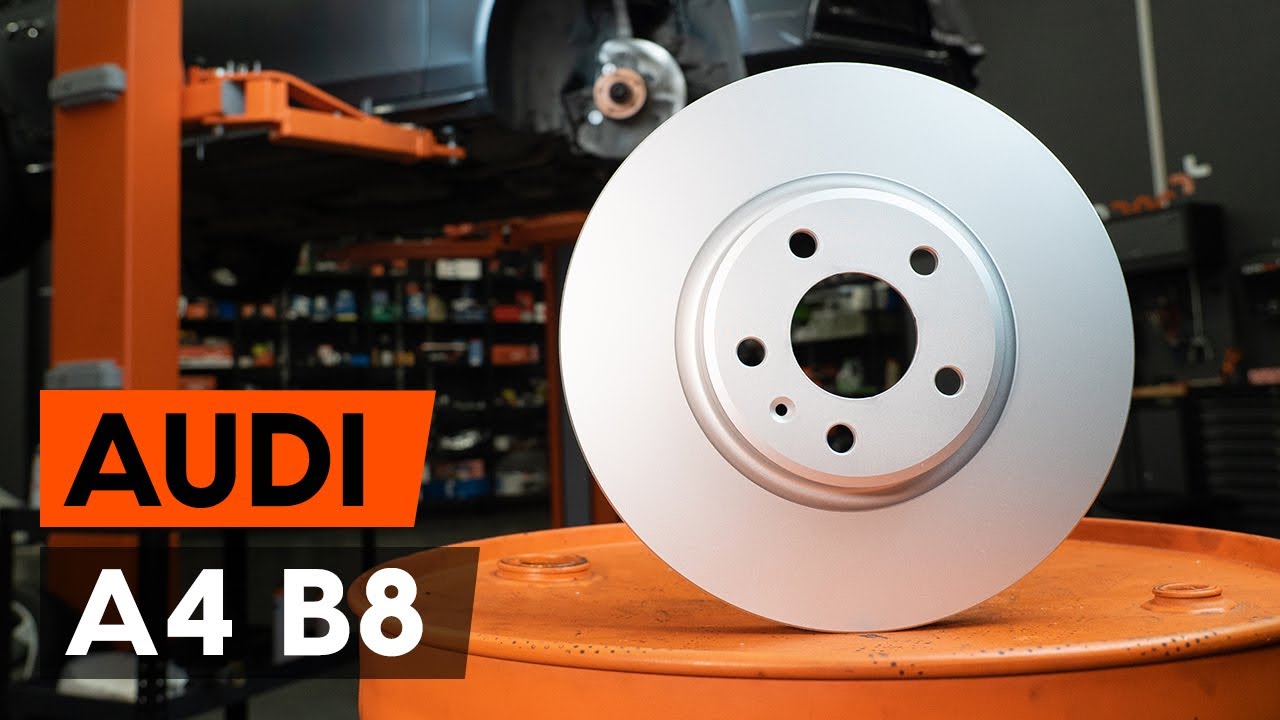
![How to change front brake discs / brake rotors on Audi A4 B8 Saloon [TUTORIAL AUTODOC]](https://i.ytimg.com/vi/CYlwi0NQ54A/hqdefault.jpg "All The Basics Of Replacing Audi Brake Pads And Rotors 5")