Maintaining Optimal Performance in Audi Vehicles: The Importance of Electrical Sensors
Electrical sensors are vital to the operation of Audi vehicles, monitoring everything from engine performance to the vehicle’s safety systems. Understanding how these sensors work and maintaining them properly is crucial for ensuring the reliability and efficiency of your Audi.
Role of Electrical Sensors in Audi Vehicles
Electrical sensors in Audi vehicles perform critical functions by monitoring various parameters:
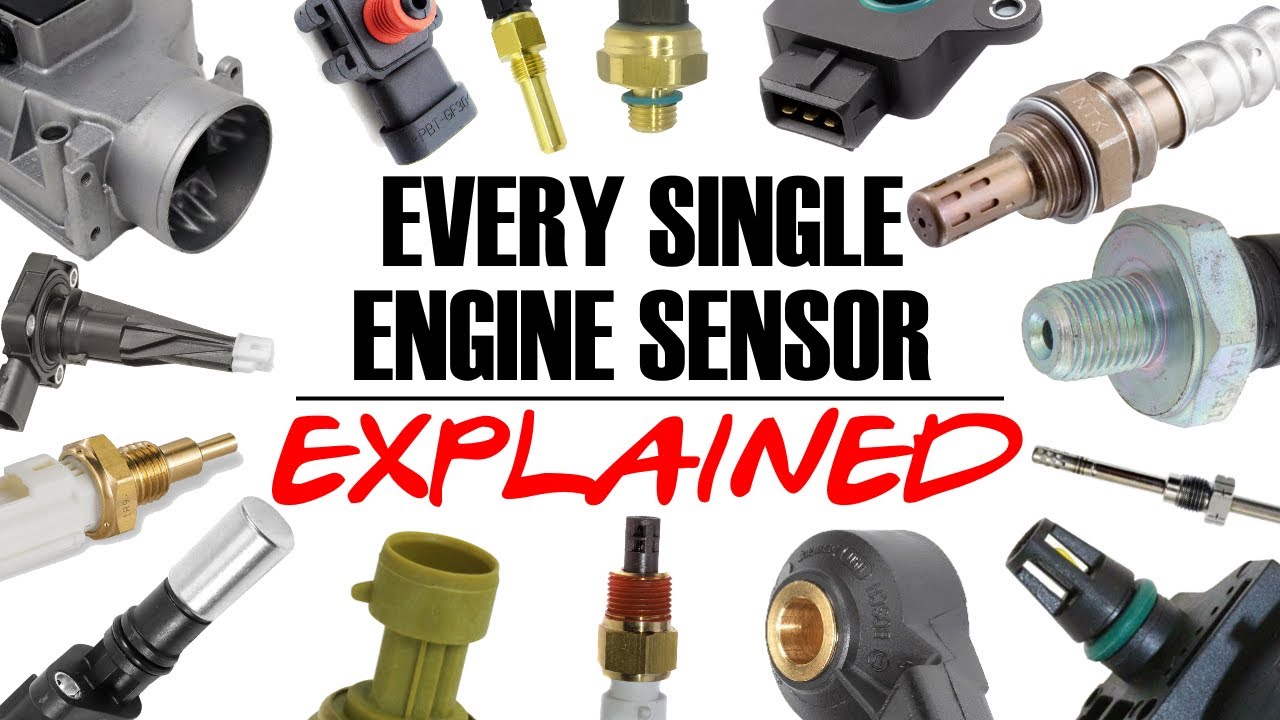
Engine Sensors: Track engine conditions such as temperature, airflow, and exhaust gases to optimize performance and emissions.
Transmission Sensors: Ensure smooth gear shifts by monitoring the transmission’s operation.
Safety Sensors: Control systems like ABS, airbags, and stability control, enhancing the vehicle’s safety features.
Common Sensor-Related Issues
Problems with electrical sensors can manifest in various ways, affecting the performance and safety of the vehicle:
Faulty Engine Sensors: Can lead to poor fuel economy, reduced performance, and increased emissions.
Transmission Sensor Failures: May cause erratic shifting or transmission slippage.
Safety Sensor Malfunctions: Could impair critical safety systems, leading to increased risk of accidents.
Diagnostics and Troubleshooting
To effectively diagnose and address electrical sensor issues in Audi vehicles, follow these steps:
Use Diagnostic Tools: Tools like OBD-II scanners are essential for reading the diagnostic trouble codes (DTCs) that help pinpoint issues.
Visual Inspection: Regularly check sensor connections and wiring for signs of damage or corrosion.
Professional Assessment: For complex systems, consulting with a certified Audi technician can provide deeper insights into the underlying problems.
Preventive Measures and Maintenance
Maintaining the electrical sensors involves several key practices:
Regular Check-ups: Include sensor checks in your regular maintenance schedule to catch issues early.
Clean and Replace Sensors: Keep sensors clean and free from debris. Replace sensors according to the manufacturer’s recommendations or if they show signs of malfunction.
Avoid Harsh Conditions: Minimize exposure to extreme conditions such as high temperatures and water, which can degrade sensors over time.
Future of Sensor Technology in Audi Vehicles
Audi continues to innovate in sensor technology, integrating advanced sensors that enhance driving dynamics, safety, and vehicle automation:
Advanced Driver-Assistance Systems (ADAS): Utilizing sensors like radar and cameras to provide features such as adaptive cruise control and collision avoidance.
Electrification and Efficiency: Sensors play a crucial role in managing electric vehicle systems, optimizing battery use, and improving energy efficiency.
Autonomous Technology: As Audi moves towards autonomous vehicles, sensors will become even more sophisticated, requiring precise calibration and maintenance.
Conclusion
For Audi owners, understanding and maintaining the electrical sensors is paramount for ensuring the vehicle operates at its best. Regular maintenance, combined with proactive diagnostics, can prevent costly repairs and maintain the vehicle’s performance and safety features at optimal levels. By staying informed about sensor functions and potential issues, Audi owners can enjoy a safer, smoother driving experience and keep their vehicles in peak condition for years to come.
In essence, keeping up with the technological advancements in Audi’s sensor technology not only contributes to enhanced vehicle performance but also ensures compliance with evolving automotive standards and safety regulations.
Audi owners often face light and bulb issues that can be both annoying and dangerous. A blown lightbulb is a common issue that can lead to decreased visibility, failed inspections, or even police citations. Replacing the faulty bulb with one specifically designed for your Audi model is the recommended solution.
Problems with Flickering or Fading Lights
Flickering or fading lights can be caused by weak connections, wiring issues, or a faulty control module. Professional assistance is crucial for diagnosing and resolving these issues to ensure safe driving conditions.
Replacing Audi Lights and Bulbs
For replacements, visiting an authorized Audi dealership is advised for access to skilled technicians and original OEM parts. Reliable aftermarket parts vendors also offer a range of suitable replacement options for different Audi models.
Warning Signs for Light and Bulb Replacement
Warning signs that an Audi light or bulb needs attention include flickering lights, a rapid drop in brightness, and subpar performance.
Maintenance for Visibility and Road Safety
Regular maintenance is vital to prevent problems such as low light output, malfunctioning, or bulb failure. This includes routine cleaning and inspection to prevent buildup on the lenses and avoiding the use of abrasive chemicals that can damage surfaces.
Troubleshooting Common Light and Bulb Issues
Troubleshooting involves identifying the issue, examining the bulb, checking wire connections and fuses, and testing switches or modules. Regular cleaning and maintenance ensure clear lenses and optimal visibility.
Choosing the Right Bulb Type
Selecting the right bulb type is essential for visibility and safety. Options include halogen bulbs for warm white light, HID bulbs for brighter white light, and LED bulbs for a variety of colors and energy efficiency.
The Importance of Routine Maintenance and Inspection
Routine maintenance and inspection are crucial for preventing issues that can affect visibility and safety. Understanding the wiring system, which includes the power supply, switch, and lights, is necessary for troubleshooting any faults.
Misconceptions About Audi Light and Bulb Issues
There are several misconceptions regarding Audi light and bulb issues that owners should be aware of to avoid unnecessary repairs or replacements.
How to replace the bulbs in the front ceiling lights in Audi
Managing Wiring and Connector Issues in Audi Vehicles
Although Audi cars are renowned for their excellent performance and opulent features, wiring and connector problems can arise in even the most dependable automobiles. These parts are essential to maintaining the correct operation of the car’s engine, electronics, and lights, among other systems. Electrical breakdowns, abnormal behavior in the electronic systems, engine misfires, or troubles with the fuel injection system are all typical signs of wiring and connector problems.
Ignoring these signs now could lead to later, more serious problems. Audi owners and enthusiasts alike should take great care to understand the root causes of wiring and connector issues. In Audi automobiles, environmental elements like moisture or corrosion as well as normal wear and tear are common causes of wire and connector issues. Frequent maintenance and inspections can assist in spotting wear and tear indicators, enabling prompt replacements or repairs before they worsen.
Procedures for Removing and Repairing Damaged Wire and Connectors in Audi Vehicles:
Determine Troublesome Connections:
Look for evidence of apparent damage, loose connections, or wear and tear on the wire and connectors.
Use a multimeter or other diagnostic equipment to check for continuity in the wiring and connector operation.
Unplug the Battery and Take Safety Measures:
Unplug the automobile batteries before working on any electrical components to reduce the chance of electrical shock.
Consult the Audi owner’s manual for proper battery disconnection instructions.
Use insulated tools and gloves for safety.
Remove Defective Wiring and Connectors:
Release any locking tabs or securing clips to gently detach the wiring harness connectors.
Remove connectors with caution, making note of wiring color codes or labeling for correct reinstallation.
Install New Wire and Connectors:
Ensure tight connections and correct routing of the wiring to prevent interference with other parts.
Verify correct connection and placement.
Test the Fix After Reconnecting the Battery:
Check if electrical problems have been fixed by turning on the ignition.
Use diagnostic tools or conduct a comprehensive check to ensure repaired wiring and connectors are safe and functional.
To avoid electrical issues, malfunctions, and safety risks, it is crucial to employ appropriate insulation and secure installation when replacing or repairing wire and connectors in Audi automobiles. Use heat-shrink tubing made especially for automobiles or premium electrical tape to ensure a solid and long-lasting bond. Use zip ties or clips to hold the wiring in place along its path; steer clear of routing wires near hot or moving parts or sharp edges.
It is imperative to perform routine maintenance on wiring and connectors in order to avert future problems and guarantee the seamless operation of diverse electrical components. By routinely looking for wear and tear on the wiring and connectors, taking quick care of any problems, and double-checking the wire and connectors following any repairs or modifications, Audi owners can lower their chance of experiencing these problems.
It’s also crucial to keep the connections and wiring clear of impurities and trash. Use reliable aftermarket components made especially for Audi vehicles or original Audi parts. For comprehensive instructions and standards for wiring and connector repairs, consult the Audi repair handbook or hire a skilled expert. It is necessary to have the right tools and equipment in order to complete the task successfully. Car owners may guarantee the appropriate functionality and lifetime of their vehicle’s electrical systems by avoiding frequent mistakes and tackling the repair or replacement of Audi wiring and connectors with a methodical and knowledgeable approach.
Consulting an expert is vital when handling wiring and connector problems in your Audi. This is particularly crucial if you don’t have the skills and expertise required to identify and repair these intricate parts. Handling these parts incorrectly can result in more issues and expensive errors. By speaking with an expert, you may minimize risks and assure a precise diagnosis and resolution of the problem.
In Audi automobiles, flickering lights, occasional power outages, broken electrical parts, and dashboard warning lights are typical signs of wiring and connector problems. Many electrical systems, including the engine, lighting, music, and navigation, depend on proper wiring and connector functionality to function properly. In Audi automobiles, corrosion, loose connections, wear and tear, rat damage, and improper installation are common causes of wire and connector issues. Troubleshooting frequently makes use of diagnostic instruments like multimeters, circuit testers, and scan tools.
When replacing damaged wire and connectors, make sure you take precautions, detach the battery, use the right tools, and according to the manufacturer’s instructions. Work in a location with good ventilation, wear safety goggles and gloves, and adhere to the correct electrical safety protocols. Cable ties, electrical tape, heat shrink tubing, and mounting brackets can all be used to properly insulate and secure cabling and connectors.
Regular examination, maintaining clean connectors, avoiding excessive tugging or bending, and quickly addressing faults are maintenance measures to prevent future problems.
Comprehensive Guide to Diagnosing and Resolving Electrical Issues in Audi Vehicles
Audi vehicles are known for their performance and advanced technology, but like any vehicle, they can encounter electrical issues. Understanding the electrical system in an Audi is essential for diagnosing and resolving these problems effectively. Here’s a detailed guide to help you identify and fix common electrical issues in Audi vehicles.
Understanding Audi Electrical Systems
The electrical system in an Audi includes a complex network of wires, fuses, and connectors that power everything from the headlights to the dashboard. Key components include:
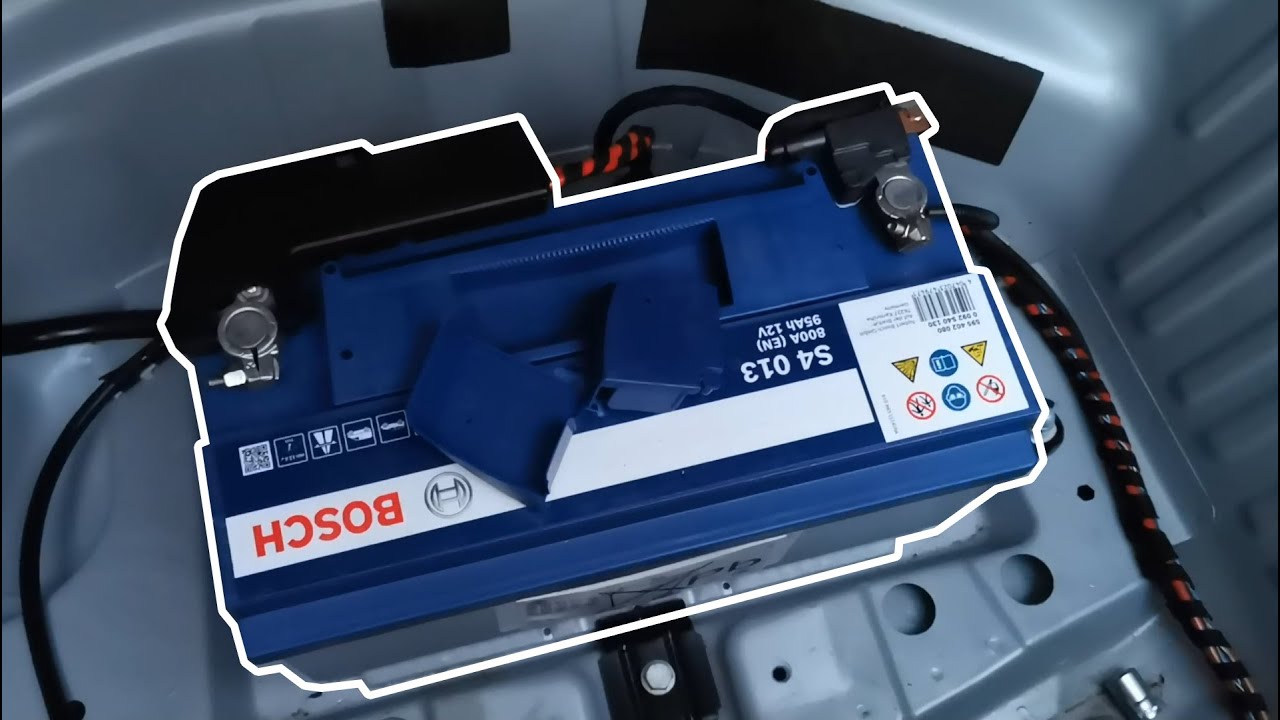
Battery: Powers the car’s electrical components and stores electrical energy.
Alternator: Charges the battery while the car is running and powers the electrical system.
Fuses and Relays: Protect the electrical system by breaking the circuit if it becomes overloaded.
Control Modules: Manage various functions such as lighting, power windows, and door locks.
Common Electrical Issues in Audi Vehicles
Faulty Lighting: Issues with headlights, taillights, or interior lights often indicate problems with bulbs, wiring, or fuses.
Battery Problems: A dead battery or one that frequently drains can indicate charging issues or electrical leaks.
Power Windows and Door Locks: Malfunctions may arise from faulty switches, blown fuses, or bad motors.
Dashboard Warning Lights: When illuminated, these can indicate various issues, often related to the engine or other critical systems.
Diagnostic Tools
Audi Scan Tool (VAG-COM VCDS): Provides access to the vehicle’s diagnostic computer, which can offer detailed information about where the problem lies.
Multimeter: Measures voltage, current, and resistance; essential for testing the battery, alternator, and other components of the electrical system.
Step-by-Step Diagnostic Approach
Visual Inspection: Check for obvious signs of damage such as frayed wires, corrosion at the battery terminals, or blown fuses.
Battery Test: Measure the voltage of the battery to ensure it is charging correctly. A healthy battery should read around 12.6 volts when the engine is off and between 13.7 to 14.7 volts when the engine is running.
Alternator Test: Check the alternator’s output with a multimeter or a dedicated alternator tester to ensure it’s providing sufficient power.
Scan for Error Codes: Use an Audi scan tool to pull codes from the vehicle’s ECU, which can help identify the specific electrical issues.
Troubleshooting Specific Issues
If the headlights or interior lights are dim: Check the alternator’s output; a failing alternator may not provide enough power. Also, inspect the battery’s health and connection.
If the battery dies frequently: Perform a parasitic drain test to see if something is drawing power while the car is off.
If power windows or door locks aren’t working: Check the corresponding fuse first, then test the switches and motors if necessary.
If dashboard lights are on: Diagnose with an Audi scan tool to identify the specific issues and sensors involved.
Resolving the Issues
Replace faulty parts: Such as batteries, alternators, fuses, or any defective electronic module.
Repair wiring: If you find damaged or frayed wiring, it’s crucial to replace or repair it to avoid further electrical issues.
Reset or replace sensors: If sensors are causing warning lights to activate, they may need to be reset or replaced.
Professional Help
If you encounter complex issues or if diagnostics indicate a problem with critical components like the ECU or the car’s wiring harness, it’s advisable to seek professional help. Certified Audi technicians have the expertise and the tools required to diagnose and repair sophisticated electrical problems effectively.
Conclusion
Timely identification and resolution of electrical issues in your Audi can prevent more serious problems down the road and ensure your vehicle continues to perform optimally. Familiarizing yourself with the electrical system, using the right tools for diagnostics, and following a systematic approach can help you maintain your Audi in top condition. If in doubt, always consider professional services to handle complex issues to maintain safety and functionality.
Comprehensive Guide to Audi Battery and Alternator Maintenance
Maintaining the battery and alternator in your Audi is crucial for ensuring the vehicle operates efficiently and reliably. Here’s a detailed guide on how to address and prevent issues related to these essential components.
Symptoms of Battery and Alternator Issues
Dim or Flickering Headlights: This can indicate a failing alternator that’s not properly charging the battery.
Dashboard Warning Lights: Lights such as the battery icon or ALT (alternator) light may illuminate.
Slow Engine Crank: Difficulty starting the engine can be a sign of a failing battery.
Engine Stalling: A dying alternator can cause the engine to stall during operation due to inadequate electrical power.
Unusual Battery Behavior: A dead battery despite recent charging could indicate an alternator issue, not charging the battery effectively.
Diagnosing Issues
Use diagnostic tools to accurately determine the cause of battery and alternator issues. These tools can help pinpoint specific electrical faults and guide your maintenance strategy.
Safety Precautions for Battery Replacement
Wear Protective Gear: Safety glasses and gloves are essential to protect against battery acid.
Work in a Ventilated Area: Ensure the working area is well-ventilated to avoid inhaling harmful gases.
Disconnect the Negative Terminal First: This prevents the risk of electrical shorts while working on the battery.
Removing an Old Battery
Locate the Battery: Find the battery, usually situated in the engine bay or trunk.
Disconnect Terminals: Start with the negative terminal, followed by the positive.
Remove Securing Bracket: Unscrew the bracket or clamps holding the battery in place.
Lift Out the Old Battery: Carefully remove the battery to avoid spilling or dropping.
Choosing a Replacement Battery
Check Specifications: Ensure the replacement battery matches your Audi’s requirements regarding size, capacity, and power.
Consider Climate and Usage: Choose a battery suited to your environment and driving habits.
Quality Brands: Opt for reputable brands with good warranties to ensure longevity and reliability.
Installing a New Battery
Place the New Battery: Set it securely in the battery tray.
Connect Terminals: Attach the positive terminal first, then the negative.
Secure the Battery: Fasten the securing bracket or clamps.
Test the Installation: Start the car to check if the battery is functioning properly.
Alternator Replacement Considerations
Disconnect the Battery: Always disconnect the battery before starting work on the alternator.
Remove the Old Alternator: Unbolt and disconnect the old alternator from the engine.
Install the New Alternator: Mount the new alternator, ensuring all connections are tight and secure.
Reconnect the Battery: After installation, reconnect the battery and test the alternator with a voltmeter to ensure proper function.
Testing New Components
Battery Test: Check the battery voltage to ensure it’s around 12.6 volts.
Alternator Test: Verify that the alternator provides a charge between 13.5 and 14.5 volts.
Check for Errors: Re-run diagnostic tests to ensure no new codes or faults have arisen.
Conclusion
Timely maintenance of the battery and alternator in your Audi not only prevents inconvenient breakdowns but also ensures that your vehicle remains reliable and efficient. Regular checks, using the right tools, and following proper installation procedures are key to extending the life of these critical components. Always consult professional help when in doubt, especially for complex issues, to maintain your Audi’s performance and safety standards.
Rebuild Replace The Engine | An Essential Guide 19
Comprehensive Guide to Engine Diagnosis and Decision-Making for Rebuilding or Replacement
Introduction
Accurate engine diagnosis is crucial in maintaining the performance and longevity of your vehicle. This guide will provide you with a systematic approach to diagnosing engine problems and deciding whether to rebuild or replace the engine based on various factors.
Step 1: Gathering Information and Symptoms
Document Symptoms and Changes: Note any recent changes in engine performance, including any warning lights on the dashboard, changes in fuel consumption, noises, or emissions.
Check Fluid Levels: Verify levels and condition of engine oil, coolant, and other fluids.
Use Diagnostic Tools: Employ OBD-II scanners and other diagnostic equipment to read engine computer codes and gather detailed information about engine performance and potential issues.
Step 2: Visual Inspection and Testing
Visual Check: Inspect the engine for any visible signs of wear or damage. Look for leaks, corrosion, or unusual wear.
Component Testing: Perform tests on various engine components such as spark plugs, ignition coils, and sensors.
Performance Tests: Use specialized equipment to test the engine’s compression and overall performance.
Step 3: Evaluating Engine Condition
Assess Damage: Based on the diagnostics and tests, evaluate the extent of damage to the engine.
Consider Engine Rebuilding: Determine if rebuilding the engine is a viable option. Rebuilding may involve replacing worn or damaged parts and can be a cost-effective solution if the engine’s foundational components are still solid.
Consider Engine Replacement: If the engine is extensively damaged or if the cost of rebuilding surpasses the cost of replacement, consider replacing the engine entirely.
Step 4: Making the Decision
Cost Comparison: Compare the costs of rebuilding vs. replacing the engine. Consider both parts and labor.
Availability of Parts: Check the availability of necessary parts for rebuilding. For rare or older models, parts may be scarce or expensive.
Mechanic’s Expertise: Ensure the mechanic has the requisite skills and experience for either rebuilding or replacing the engine.
Time Considerations: Evaluate how long the vehicle will be out of service. Engine replacement might be quicker than rebuilding, depending on the circumstances.
Step 5: Rebuilding or Replacing the Engine
Rebuilding the Engine:
Disassemble the engine and inspect all components.
Replace worn or damaged parts such as bearings, gaskets, and seals.
Reassemble and test the engine to ensure it meets performance standards.
Replacing the Engine:
Select a quality replacement engine, considering new, remanufactured, or used options based on budget and availability.
Install the new engine, ensuring all auxiliary systems are correctly integrated.
Test the vehicle to ensure the new engine is functioning correctly.
Conclusion
Deciding whether to rebuild or replace an engine involves careful consideration of several factors including cost, time, part availability, and the overall condition of the vehicle. Regular maintenance and timely diagnosis of engine problems can prevent extensive damage and costly repairs. By understanding the symptoms of engine issues and evaluating the options thoroughly, you can make an informed decision that ensures the reliability and efficiency of your vehicle. Always consult with a qualified mechanic to get expert advice tailored to your specific situation.
Comprehensive Guide to Engine Maintenance for Optimal Performance and Longevity
Maintaining your vehicle’s engine is crucial for ensuring peak performance, reliability, and longevity. Regular maintenance can prevent major issues and costly repairs down the line. This guide covers key aspects of engine maintenance, common problems to watch for, and how to address them effectively.
Key Aspects of Engine Maintenance
Regular Oil and Lubricant Maintenance:
Oil Changes: Regular oil changes prevent the buildup of harmful deposits and ensure smooth operation of moving parts.
Lubricant Checks: Ensure all moving parts are adequately lubricated to prevent wear and tear.
Belt and Hose Inspections:
Check belts and hoses for signs of wear or damage. Replace them as per the manufacturer’s recommendations or sooner if they show signs of deterioration.
Spark Plug Maintenance:
Regular inspection and replacement of spark plugs can prevent misfires and maintain engine efficiency.
Filter Replacements:
Replace air and fuel filters as recommended to prevent contaminants from entering the engine and compromising its performance.
Common Engine Problems and Solutions
Overheating:
Causes: Low coolant levels, faulty thermostats, and radiator issues.
Solution: Check for leaks, monitor coolant levels, and replace faulty components.
Solution: Regularly check the battery and alternator. Replace the battery if it fails to hold a charge. Test the alternator’s output using a voltmeter.
Mechanical Wear and Tear:
Causes: Aging and continuous use.
Solution: Regular inspections to detect early signs of wear. Address minor issues promptly to avoid major repairs.
Preventive Strategies to Enhance Engine Health
Adhere to Service Schedules: Follow the manufacturer’s recommended service plan rigorously.
Use High-Quality Replacement Parts: Opt for OEM or equivalent parts to ensure compatibility and reliability.
Monitor and Maintain Fluid Levels: Keep all fluids at the recommended levels and replace them according to the service schedule.
Regular Inspections: Conduct thorough checks of the engine’s components, especially before long trips or after severe usage.
Educate Yourself: Understand the basic workings of your vehicle’s engine to better identify potential issues.
Importance of Professional Help
While routine maintenance can often be performed at home, complex engine problems should be addressed by a professional mechanic. Professionals have the tools, expertise, and access to detailed diagnostic equipment that can more accurately pinpoint underlying issues.
Conclusion
Effective engine maintenance is crucial for preventing breakdowns and extending the life of your vehicle. By understanding the common engine problems and maintaining regular check-ups, you can ensure your vehicle operates efficiently and continues to perform at its best. Remember, preventive care is not just about fixing problems that already exist but preventing them from occurring in the first place. Whether you’re a seasoned mechanic or a car owner looking to keep your vehicle in top shape, this guide provides the essentials to manage and maintain your engine effectively.
Understanding and Preventing Engine Overheating: Essential Maintenance Tips
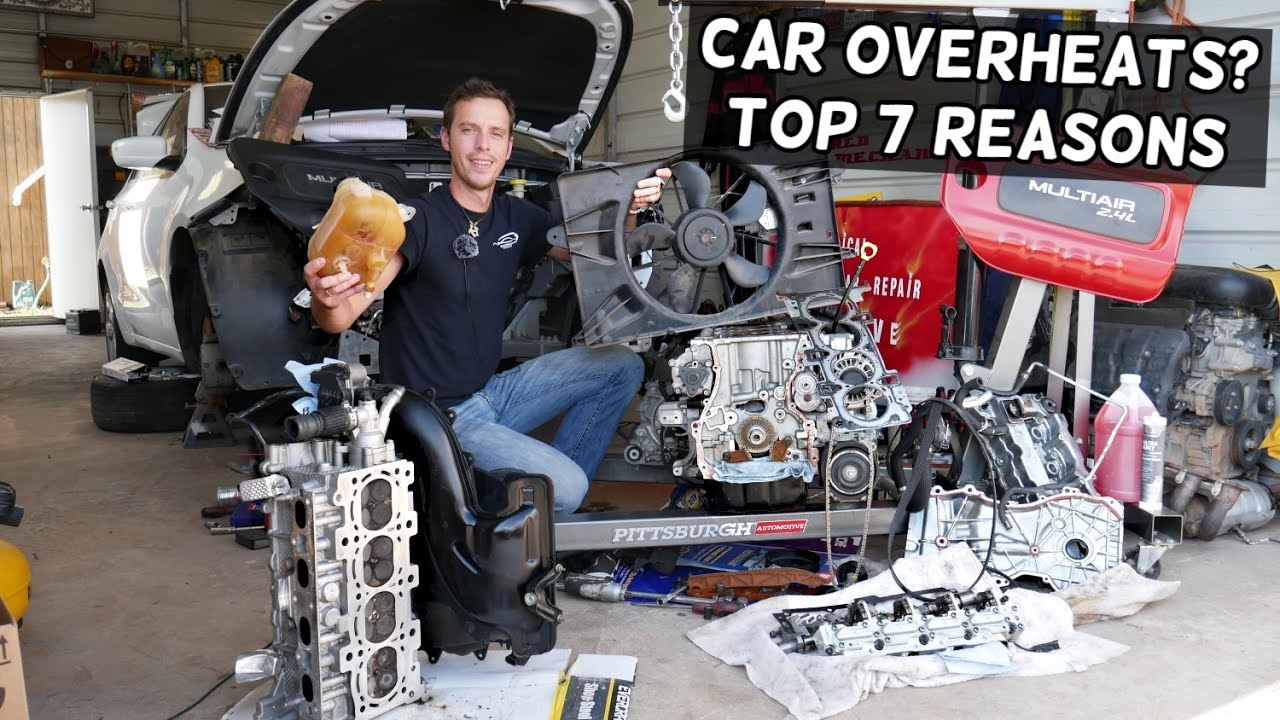
Engine overheating can lead to significant damage and costly repairs if not addressed promptly. By understanding the common causes and maintaining your vehicle’s cooling system, you can prevent overheating and ensure your engine runs efficiently. Here’s a comprehensive guide to help you manage and mitigate engine overheating.
Common Causes of Engine Overheating
Thermostat Failure: The thermostat controls coolant flow; a malfunction can cause it to either trap or freely pass coolant, leading to overheating or prolonged warm-up times.
Water Pump Issues: This pump circulates coolant throughout the engine and radiator. A malfunction can halt this circulation, causing the engine temperature to rise rapidly.
Cooling System Leaks: Leaks in the cooling system reduce the overall volume of coolant, impairing the system’s ability to dissipate heat.
Radiator Problems: Blockages or damage in the radiator can prevent it from expelling heat, leading to increased engine temperatures.
Insufficient Coolant: Low coolant levels can’t absorb and dissipate heat effectively, leading to overheating.
Symptoms of an Overheating Engine
Temperature Gauge High: The dashboard gauge climbs to the red zone.
Steam/Smoke: Emission from the engine bay indicates overheating.
Coolant Smell: A sweet, syrupy odor from leaking coolant.
Warning Lights: Dashboard indicators signal engine temperature issues.
Preventive Measures and Maintenance Tips
Regular Radiator Maintenance: Inspect the radiator for blockages or damage. Ensure it’s clean and unobstructed for optimal airflow and cooling.
Check and Replace Coolant Regularly: Maintain the coolant level, and flush the system as recommended by your vehicle’s manufacturer.
Inspect the Thermostat: Check for proper operation. Replace the thermostat if it shows signs of malfunction to ensure it regulates coolant flow correctly.
Water Pump Inspection: Listen for noises or check for leaks around the water pump. A malfunctioning pump needs immediate replacement to prevent overheating.
Hoses and Belts Check: Inspect all related hoses and belts for signs of wear or damage. Replace any that are brittle, cracked, or frayed.
Steps to Take If Your Engine Overheats
Pull Over Safely: If you notice signs of overheating, find a safe place to pull over.
Turn Off the Engine: This prevents further damage. Allow the engine to cool for at least 30 minutes.
Check Coolant Levels: Once the engine has cooled, check the coolant level. If low, top it up appropriately. However, do not open the radiator cap while the engine is hot to avoid scalding.
Inspect for Leaks: Look for signs of coolant leaks under the vehicle.
Seek Professional Help: If the overheating issue persists, consult a professional mechanic for a thorough inspection and repair.
Long-Term Strategies to Prevent Overheating
Regular Check-Ups: Include cooling system checks as part of your regular vehicle maintenance.
Use Quality Coolant: Use the correct type and mixture of coolant as specified for your vehicle.
Monitor Engine Performance: Pay attention to engine performance and address any issues promptly to prevent long-term damage.
Educate Yourself: Understanding the basics of your vehicle’s cooling system can help you identify and address issues before they escalate.
Conclusion
Preventing engine overheating is a crucial aspect of maintaining your vehicle’s health and operational integrity. By following these guidelines and conducting regular inspections and maintenance, you can significantly reduce the risk of engine damage due to overheating. Always consult your vehicle’s owner’s manual for specific recommendations and service intervals, and when in doubt, seek the expertise of a professional mechanic.
Understanding and Utilizing OBD-II Scanners for Effective Vehicle Diagnostics
OBD-II scanners are crucial tools in modern automotive diagnostics, offering an in-depth look into the health and functionality of a vehicle’s engine and other systems. Here’s how to effectively use these devices to maintain and diagnose your car.
Overview of OBD-II Scanners
Purpose: OBD-II scanners interface with a vehicle’s onboard computer to read data and diagnostic trouble codes (DTCs) that the system logs when it detects anomalies or malfunctions.
Capabilities:
Read and Clear Codes: Scanners can display DTCs which indicate specific issues and can clear them from the system once issues are resolved.
Real-Time Data Monitoring: Advanced scanners can provide live data streaming, offering real-time insights into engine performance and other critical vehicle metrics.
System Tests: Some models can initiate system tests run by the vehicle’s computer to check the functionality of specific components.
How to Use an OBD-II Scanner
Locating the OBD-II Port: Typically found under the dashboard near the steering column, but check your vehicle’s manual for exact location.
Connecting the Scanner:
Plug the scanner’s connector into the OBD-II port.
Turn on the car’s ignition to the “On” position but do not start the engine (unless instructed by the scanner for specific tests).
Interpreting Codes:
Once connected, the scanner will retrieve DTCs from the vehicle’s computer.
Refer to the scanner’s manual or an online database to understand the specific issues associated with each code.
Action Based on Codes:
Perform further diagnostics or repairs as indicated by the codes.
Some issues may be simple to fix, such as replacing sensors or making adjustments. Others may require professional attention.
Common Misconceptions and Limitations
Not a Silver Bullet: While OBD-II scanners provide detailed data, they do not fix problems but rather point to potential issues that need further investigation or direct resolution.
Professional Insight Required: Interpreting DTCs accurately often requires experience and additional diagnostic procedures. Codes may indicate symptoms rather than root causes.
Vehicle Compatibility: Ensure the scanner is compatible with your vehicle make and model, particularly for advanced features beyond basic code reading.
Benefits of Regular Use
Preventive Maintenance: Regular scanning can help catch issues before they become serious, reducing the likelihood of costly repairs.
Performance Optimization: By monitoring live data, drivers can optimize vehicle performance and fuel efficiency based on real-time feedback from the vehicle’s computer.
Advanced Features in Modern OBD-II Scanners
Enhanced Diagnostics: Beyond engine codes, some scanners can read codes from transmissions, ABS, airbags, and other systems.
Graphing and Data Logging: For more detailed analysis, some devices offer graphing of data over time, which can be crucial for intermittent issues.
Bi-directional Control: High-end scanners allow users to send commands to the vehicle for testing purposes, such as cycling the A/C, programming new keys, or re-setting service lights.
Conclusion
OBD-II scanners are indispensable tools in the arsenal of modern drivers and mechanics. By providing a window into the vehicle’s computer systems, these devices help ensure vehicles are running safely and efficiently. Whether you’re a DIY enthusiast or a professional mechanic, understanding how to effectively use an OBD-II scanner can significantly enhance your ability to diagnose and maintain vehicles. Always ensure you have the latest software for your scanner to handle the newest vehicles and their technologies.
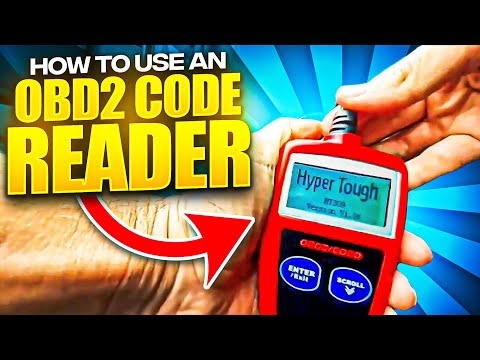
How To Use An OBD2 Code Reader To Diagnose Check Engine Light Issues
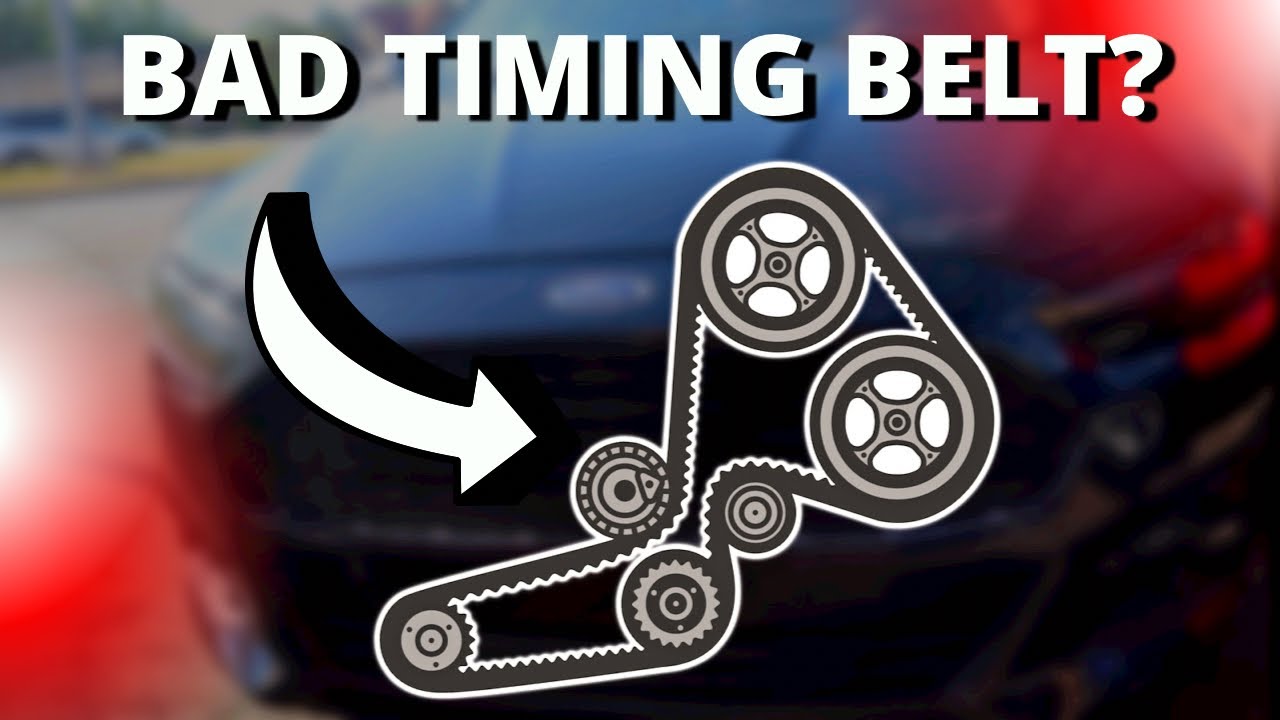
The timing belt or chain plays a crucial role in the functioning of an engine. It is responsible for the synchronization of the engine’s camshaft and crankshaft, ensuring that the valves open and close at the right time during the combustion process. This synchronization is vital for the proper performance of the engine and affects its overall efficiency.
In an engine with a timing belt, it is a toothed belt made of reinforced rubber. On the other hand, a timing chain is made of metal links that interlock with the gears on the camshaft and crankshaft. Both the timing belt and chain have the same purpose, which is to rotate the camshaft in perfect coordination with the crankshaft.
This synchronization allows the engine to intake air and fuel, compress it, ignite it, and exhaust the waste gases. Without the timing belt or chain, the engine’s valves would not open and close correctly, leading to misfires, loss of power, and potential damage to other engine components.
Understanding the role of the timing belt or chain in an engine is essential to recognize its significance and to ensure its proper maintenance and replacement.
Signs of a Worn-out Timing Belt or Chain
One of the key signs that your timing belt or chain may be worn-out is a noticeable engine misfire or hesitation. If the timing belt or chain is not functioning properly, it can disrupt the precise timing of the engine’s internal components, leading to a loss of power or uneven acceleration.
Additionally, you may experience difficulty starting your vehicle or notice a decrease in fuel efficiency. These symptoms should not be ignored, as they can be indicative of a worn-out timing belt or chain and should be addressed promptly to prevent further damage to your engine.
Another sign to look out for is a high-pitched squealing noise coming from the engine bay. This noise could be caused by a loose or worn-out timing belt or chain.
Over time, the belt or chain can become stretched or damaged, causing it to slip or make contact with other engine components, resulting in the squealing noise. Ignoring this symptom can lead to serious engine damage, and it is crucial to have the timing belt or chain inspected and replaced if necessary.
Importance of Regular Timing Belt or Chain Replacement
Regular timing belt or chain replacement is a crucial aspect of engine maintenance that should never be overlooked. The timing belt or chain plays a vital role in synchronizing the engine’s camshaft and crankshaft, ensuring proper valve and piston movement and overall engine performance. Over time, these belts or chains can wear out, stretch, or even break, leading to catastrophic engine damage and costly repairs.
By replacing the timing belt or chain at the manufacturer’s recommended intervals, you can prevent engine failure and extend the lifespan of your vehicle. Neglecting this important maintenance task can result in bent valves, damaged pistons, or even a complete engine rebuild.
Regular replacement ensures that the belt or chain is in good condition and functioning optimally, reducing the risk of sudden breakdowns and keeping your engine running smoothly. As prevention is always better than cure, investing in timely replacements is a wise decision that will save you from expensive repairs in the long run.
Factors to Consider When Replacing the Timing Belt or Chain
When it comes to replacing the timing belt or chain in your vehicle, there are several important factors that need to be considered. First and foremost, it is crucial to check the manufacturer’s recommendations and guidelines for your specific make and model. Different vehicles may have different requirements in terms of when the timing belt or chain should be replaced.
Another important factor to consider is the overall condition of the engine. If your engine has been experiencing problems such as oil leaks, excessive vibration, or unusual noises, it may be an indication that the timing belt or chain needs to be replaced. Additionally, it is important to inspect the tensioner and pulleys, as these components play a crucial role in the proper functioning of the timing belt or chain. Ignoring any potential issues with these components can result in premature failure of the new timing belt or chain.
Furthermore, it is crucial to choose the right timing belt or chain for your vehicle. There are various types and brands available in the market, so it is important to do thorough research and consult with a trusted mechanic or automotive expert. Factors such as quality, durability, and compatibility are important to consider when selecting the timing belt or chain for replacement. Buying a subpar or incompatible timing belt or chain can lead to further engine damage and costly repairs down the line.
• Check the manufacturer’s recommendations and guidelines for your specific make and model • Consider the overall condition of the engine, including any problems such as oil leaks, excessive vibration, or unusual noises • Inspect the tensioner and pulleys to ensure they are in good working condition • Choose the right timing belt or chain for your vehicle by doing thorough research and consulting with a trusted mechanic or automotive expert • Consider factors such as quality, durability, and compatibility when selecting a replacement timing belt or chain
Choosing the Right Timing Belt or Chain for Your Vehicle
When it comes to choosing the right timing belt or chain for your vehicle, there are several factors to consider. First and foremost, you need to determine whether your engine requires a timing belt or a timing chain. While both serve the same purpose of synchronizing the camshaft and crankshaft, there are significant differences between the two.
Timing belts are made of rubber and typically need to be replaced every 60,000 to 100,000 miles, depending on the manufacturer’s recommendation. On the other hand, timing chains are made of metal and are generally more durable, often lasting the lifetime of the engine.
Once you have determined whether your vehicle requires a timing belt or chain, the next step is to select the appropriate one for your specific make and model. It is vital to consult your vehicle’s owner manual or reach out to a trusted mechanic for guidance.
They can provide you with crucial information such as the correct size, width, and number of teeth required for the timing belt or chain to ensure proper fitment and functionality. Additionally, consider the reputation and quality of the manufacturer. It is always recommended to opt for a reputable brand known for producing reliable and high-quality parts. Overall, choosing the right timing belt or chain for your vehicle is crucial to ensure optimal engine performance and longevity.
Tools and Equipment Needed for a Timing Belt or Chain Replacement
When it comes to replacing a timing belt or chain in an engine, having the right tools and equipment is essential for a smooth and successful replacement process. Here are some of the key tools you will need:
1. Wrench Set: A set of wrenches in various sizes is necessary for loosening and tightening bolts and nuts. A combination wrench set is recommended for easy access to different areas of the engine.
2. Socket Set: A socket set with both metric and standard sizes is crucial for removing and installing bolts and nuts. This versatile tool will ensure that you have the right size socket for every job.
3. Timing Belt Tensioner Tool: This specialized tool is specifically designed to properly tension the timing belt or chain during installation. It is essential for ensuring the correct tension, which is crucial for the engine’s overall performance and longevity.
4. Timing Belt/Chain Replacement Kit: It is highly recommended to use a complete timing belt or chain replacement kit, which usually includes not only the belt or chain but also the tensioner, idler pulleys, and other necessary components. This will help ensure that all the parts are properly matched and will work together seamlessly.
It is important to note that the specific tools required may vary depending on the make and model of your vehicle. Always refer to your vehicle’s manufacturer guidelines and recommendations for the appropriate tools and equipment needed for a timing belt or chain replacement.
Step-by-Step Guide to Replacing the Timing Belt or Chain
Before starting the process of replacing your timing belt or chain, it is essential to gather all the necessary tools and equipment. You will need a socket set, wrenches, a torque wrench, a timing belt or chain replacement kit specific to your vehicle make and model, and a timing belt or chain tensioner tool. It is crucial to have the correct tools to ensure a smooth and successful replacement process.
Once you have gathered all the necessary tools, the first step is to locate and remove the timing belt or chain cover. This cover is typically situated towards the front of the engine, and it protects the belt or chain from dust, debris, and other contaminants.
Use your socket set and wrenches to remove the bolts securing the cover in place. Take extra caution not to damage any surrounding components while removing the cover. Once the cover is removed, you will have access to the timing belt or chain, and you can proceed to the next steps of the replacement process.
Common Challenges and How to Overcome Them During the Replacement Process
When replacing a timing belt or chain, there are a few common challenges that may arise during the process. One of the main challenges is accessing the timing belt or chain, as it is often located deep within the engine compartment.
This requires the removal of various components, such as the radiator, fan, or even the engine itself, depending on the vehicle’s design. To overcome this challenge, it is crucial to have the necessary tools and equipment on hand, as well as a clear understanding of the specific steps involved in disassembling and reassembling the engine components.
Another challenge that may arise is aligning the timing marks correctly. Timing marks are indicators used to ensure that the engine’s valves and pistons are in sync with the rotation of the crankshaft. Failing to align the timing marks accurately can result in serious engine damage.
To overcome this challenge, it is essential to carefully follow the manufacturer’s instructions and reference any specific diagrams or markings provided. Additionally, it may be helpful to use a timing belt or chain alignment tool to ensure precise alignment. Taking the time to double-check the alignment before proceeding with the installation will help prevent any issues down the road.
Symptoms Of A Bad Timing Chain
Benefits of Hiring a Professional Mechanic for Timing Belt or Chain Replacement
A timing belt or chain replacement is a critical maintenance task that ensures the smooth operation of your vehicle’s engine. While you may be tempted to tackle this job yourself, there are numerous benefits to hiring a professional mechanic for the task.
First and foremost, a professional mechanic has the knowledge and experience to properly diagnose any issues with your timing belt or chain. They will be able to identify signs of wear or damage that an inexperienced person may overlook. This can save you from potential engine damage or breakdowns down the line.
Another benefit of hiring a professional mechanic is that they have access to the necessary tools and equipment for the job. Replacing a timing belt or chain requires specific tools and techniques to ensure proper installation.
Professionals have invested in these tools and are trained in their proper use. Attempting the task without the right tools could result in damage to your engine or improper alignment of the timing components. By entrusting the job to a professional, you can have peace of mind knowing that it will be done correctly and efficiently.
Maintenance Tips to Extend the Lifespan of Your New Timing Belt or Chain
To ensure a long and healthy lifespan for your new timing belt or chain, it is essential to follow proper maintenance tips. One of the most crucial steps is to regularly inspect the condition of the belt or chain. Look for signs of wear or damage, such as cracks, fraying, or stretching. If you notice any of these issues, it is advisable to replace the belt or chain immediately.
Additionally, it is important to keep the timing belt or chain clean and free from any debris or oil buildup. Any contaminants can cause friction and increase wear and tear on the belt or chain. Regularly clean the surrounding area and remove any dirt or grime that may have accumulated.
Furthermore, proper tension is vital for an efficient and long-lasting timing belt or chain. Make sure the belt or chain is correctly tensioned according to the manufacturer’s specifications. If it is too loose, it may slip or skip teeth, causing serious damage to the engine. On the other hand, excessive tension can lead to premature wear and reduced performance. It is recommended to consult a professional or refer to the vehicle’s manual for the correct tensioning procedure.
Lastly, maintaining a consistent maintenance schedule is crucial for the longevity of the timing belt or chain. Regularly replace the timing belt or chain as specified by the manufacturer or your mechanic. Neglecting routine replacement can lead to catastrophic engine failure and expensive repairs. By following these maintenance tips, you can extend the lifespan of your new timing belt or chain, ensuring optimal engine performance and peace of mind.
What is the role of the timing belt or chain in an engine?
The timing belt or chain is responsible for synchronizing the rotation of the crankshaft and the camshaft, ensuring that the engine’s valves open and close at the correct time.
What are the signs of a worn-out timing belt or chain?
Some signs of a worn-out timing belt or chain include engine misfires, difficulty starting the engine, unusual noises from the engine, and a loss of power or acceleration.
Why is regular timing belt or chain replacement important?
Regular replacement of the timing belt or chain is crucial because if it fails, it can cause severe engine damage, such as bent valves or damaged pistons. This can result in expensive repairs or even engine replacement.
What factors should be considered when replacing the timing belt or chain?
When replacing the timing belt or chain, it is important to consider the manufacturer’s recommendations, the mileage or age of the belt or chain, and any signs of wear or damage.
How do I choose the right timing belt or chain for my vehicle?
To choose the right timing belt or chain, refer to your vehicle’s manual or consult a professional mechanic. They can help you determine the correct size, type, and brand of timing belt or chain for your specific vehicle.
What tools and equipment are needed for a timing belt or chain replacement?
The tools and equipment needed for a timing belt or chain replacement may include a wrench or socket set, a torque wrench, a timing belt tensioner tool, a crankshaft pulley holder, and a timing light.
Can you provide a step-by-step guide to replacing the timing belt or chain?
Unfortunately, a step-by-step guide is beyond the scope of this article. However, you can consult your vehicle’s manual or seek the assistance of a professional mechanic for detailed instructions.
What are some common challenges during the timing belt or chain replacement process?
Common challenges during the timing belt or chain replacement process include aligning the timing marks correctly, removing and reinstalling components in tight spaces, and dealing with seized or rusted bolts.
What are the benefits of hiring a professional mechanic for timing belt or chain replacement?
Hiring a professional mechanic for timing belt or chain replacement ensures that the job is done correctly and efficiently. They have the expertise, tools, and experience to handle the complexities of the job and minimize the risk of mistakes or damage.
What are some maintenance tips to extend the lifespan of a new timing belt or chain?
Some maintenance tips to extend the lifespan of a new timing belt or chain include regular inspection for signs of wear or damage, avoiding excessive loads or harsh driving conditions, and following the manufacturer’s recommended maintenance schedule.