All posts by AudiHowdy

Audi’s Error P179D00 – Check Your Transmission & Do This ASAP!

The roar of a powerful engine, the thrill of acceleration, and the freedom of the open road – all these are embodied in Audi’s DTC P179d00.

This diagnostic trouble code (DTC) is an indication that something is amiss with your vehicle’s performance.

In this article, we will explore its symptoms, diagnosis procedures, potential causes, and repair solutions to help you get back on the road.

Key Takeaways

  • Audi DTC P179d00 is an engine fault code related to the fuel gas recirculation (EGR) system.
  • Symptoms of this fault code include rough running, decreased power and fuel economy, increased emissions, and an illuminated check engine light.
  • Common causes of this fault code include carbon deposits in the EGR valve or its associated passages, faulty fuel pump or injector, fuel leak in the system, incorrect camshaft position sensor, and issues with the fuel pressure regulator or mass air flow sensor.
  • To diagnose and repair this fault code, it is recommended to inspect the fuel system and related components, use diagnostic tools, seek technical advice from an experienced Audi mechanic, and test and replace faulty components such as the control module, mass airflow sensor, fuel pump relay/fuse, and fuel injectors.

What Is the Audi Dtc P179d00

The Audi DTC P179d00 is an engine fault code related to the fuel gas recirculation (EGR) system. It can indicate a problem with low oil pressure, or a faulty sensor. It is typically caused by a build-up of carbon deposits in the EGR valve, or its associated passages, which can reduce air flow and affect engine performance.

Audiaid.com

The symptoms often include rough running, hesitation when accelerating, decreased power and fuel economy, and increased emissions. Additionally, it may cause the check engine light to come on. Proper diagnosis and repair are needed to address this issue in order to avoid further damage to the vehicle’s components.

With these considerations in mind, it is important for drivers to recognize the signs of this fault code so they can take appropriate action before any further damage occurs.

This leads into our next topic: Symptoms of Audi DTC P179d00.

Symptoms of Audi Dtc P179d00

A common symptom associated with this particular trouble code is an illuminated check engine light.

Other notable symptoms that may indicate a fault related to the Audi DTC P179d00 include:

  • Excessive fuel consumption due to inefficient burning of fuel
  • Engine misfires or stalling, resulting in jerky starts and stops
  • Loud noises from the engine compartment, such as knocking or tapping sounds
  • Difficulty accelerating or maintaining speed when driving

It is important for car owners to take preventive measures to avoid issues related to the Audi DTC P179d00.

Regularly checking fluid levels, spark plugs, and air filters can help keep engines running smoothly and prevent costly repairs.

Taking care to regularly service brakes, tires, suspension systems, and exhaust systems can also be beneficial in preventing future complications.

Diagnostic Procedure for Audi Dtc P179d00

Diagnostic procedures for trouble code P179d00 may include inspecting the fuel system and related components. Diagnosing tools should be used to assess any potential faults with the fuel system, such as a code reader or multi-meter.

Technical advice may also be sought from an experienced Audi mechanic who can interpret diagnostic codes and provide guidance on necessary repairs or replacements. It is important to note that only trained technicians should attempt certain repairs, as they require expertise and specialized knowledge.

Common signs indicating a problem with the fuel system are reduced engine performance, misfiring, and increased emissions levels. If these symptoms are present, it is highly recommended that further diagnostics are done in order to determine the exact cause of the fault code P179d00.

Common Causes of Audi Dtc P179d00

Fault code P179d00 may be caused by a variety of issues with the fuel system, such as a faulty fuel pump or injector. Other common causes include:

  • A fuel leak in the system
  • An incorrect camshaft position sensor
  • An issue with the fuel pressure regulator
  • A problem with the mass air flow sensor.

The most likely cause of this fault code is either an issue with the fuel pressure regulator or an incorrect camshaft position sensor. If there is a problem with either of these, it can lead to incomplete combustion and poor performance.

In order to diagnose and repair this Audi DTC P179d00, it is important to identify the source of the issue from among these possible causes. The best way to do this is through careful inspection and testing of each component in order to pinpoint exactly which part needs repairs or replacement.

Repair Solutions for Audi Dtc P179d00

Repairing the fuel system components that may be causing Audi Dtc P179d00 requires careful inspection and testing. A skilled technician will first check all connections, as well as the integrity of the wiring harnesses associated with these components. In some cases, a faulty control module or mass airflow sensor may be identified and replaced.

ComponentDiagnosisRepair
Control ModuleScan for codes and resetReplace component if faulty
Mass Airflow Sensor (MAF)Visually inspect & test voltage outputReplace component if faulty
Fuel Pump Relay/FuseReplace relay/fuse if faulty
Fuel InjectorsClean & replace injectors if faulty

Frequently Asked Questions

What Is the Average Cost of Repairing Audi Dtc P179d00?

The average cost of repairing a DTC (Diagnostic Trouble Code) can vary significantly depending on the type of code and the vehicle it is associated with. Troubleshooting tips and cost comparison should be taken into consideration when assessing repair costs. Vehicle make and model, as well as necessary repairs, should be taken into account to accurately estimate costs.

How Long Does It Take to Diagnose Audi Dtc P179d00?

As smooth and effortless as a hot knife through butter, diagnosing Audi DTC P179d00 can take anywhere from half an hour to several hours depending on the technician’s experience level and access to resources. Knowing the repair costs and having tips for diagnosing can help speed up the process.

Are There Any Preventative Maintenance Steps for Audi Dtc P179d00?

Preventative maintenance for any vehicle includes regular oil changes and software updates. For Audi DTC P179d00, it is recommended to adhere to the manufacturer’s guidelines for oil changes and check for any applicable software updates. These are important steps in avoiding more serious issues with the vehicle.

How Often Does Audi Dtc P179d00 Typically Occur?

On average, DTC P179D00 occurs every 3 years in most cases. Potential causes include faulty sensors, worn-out engine parts and fuel injector problems. Common symptoms include decreased fuel economy, engine misfires and loss of power. It is important to address these issues as soon as they occur to prevent further damage.

Are There Any Known Recalls Related to Audi Dtc P179d00?

Faulty wiring and engine misfiring can lead to recalls in vehicles. It is important for vehicle owners to research any potential recalls related to their car’s condition, as this may save time and money in the long run.

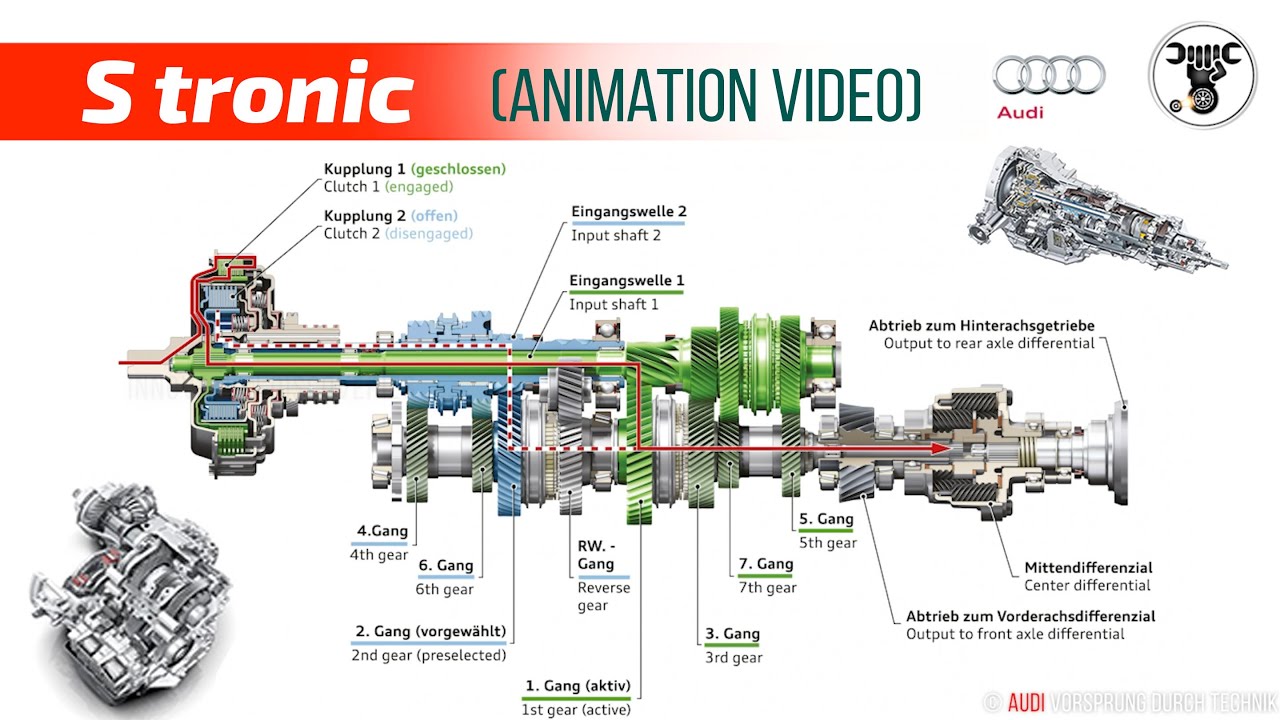
AUDI – S tronic Transmission

AUDI – S tronic Transmission

Conclusion

Audi Dtc P179d00 is a code that may indicate an issue with the vehicle’s fuel system. Diagnosis and repair of this code require experienced technicians and specialized equipment.

Common causes include faulty fuel pressure regulators, injectors, or pumps. Potential solutions range from cleaning or replacing components to more extensive repairs such as overhauling the entire fuel system.

In conclusion, although Audi Dtc P179d00 can be tricky to diagnose and repair, with the right approach it can be done efficiently ‘like a well-oiled machine’, leaving owners back on the road in no time.

Transmission Tango: Unraveling Audi DTC P178F00 and Ensuring Optimal Performance

Although some may consider Audi Dtc P178f00 to be a minor issue, it can have serious implications for the performance of an Audi vehicle.

This article will provide comprehensive information regarding this diagnostic trouble code (DTC) by discussing its symptoms, potential causes, diagnosis and repair techniques.

Furthermore, it is written with an objective academic style that caters to a desire for freedom in the audience.

Key Takeaways

  • Audi DTC P178F00 is a diagnostic trouble code related to fuel leakage or electrical faults.
  • Symptoms of this code include difficulty starting the engine, poor engine performance, and strange sounds from the engine compartment.
  • Potential causes of this code include issues with the accelerator pedal position sensor, vacuum leaks, faulty fuel injectors, and damaged spark plug wires.
  • Diagnosis and repairs should be done by a qualified technician to ensure proper vehicle functioning.

What Is Audi Dtc P178f00

Audi DTC P178F00 is a diagnostic trouble code (DTC) that may be stored in the vehicle’s on-board computer system. It indicates a fault related to fuel leakage or electrical faults. The code is associated with engine misfires, power loss, and other drivability symptoms.

For vehicles equipped with an electronic throttle control system, the code can also point towards issues with the accelerator pedal position sensor or wiring. Other potential causes include vacuum leaks, faulty fuel injectors, or spark plug wires that are disconnected or damaged.

Diagnosing this issue requires a thorough inspection of all relevant components and systems to determine the root cause of failure. To ensure freedom from further problems or delays in diagnosis, it is best to consult a qualified technician for assistance.

Once the source of failure has been determined and corrected, the Audi DTC P178F00 should no longer be present in the vehicle’s system.

Symptoms of Audi Dtc P178f00

This Diagnostic Trouble Code (DTC) may be indicated when certain symptoms are present. These can include:

  • Difficulty starting the engine
  • Poor engine performance, such as jerking or shaking
  • Strange sounds coming from the engine compartment.

Preventive maintenance and regular engine tuning are essential in avoiding this DTC from occurring; however, if it does appear, the root cause must be identified and corrected to ensure the vehicle is running properly.

It is important to note that this code can also indicate an issue with the fuel system, electrical components, or other parts of the vehicle. By addressing these issues quickly and correctly, drivers will have more freedom on the road while staying safe at all times.

Potential Causes of Audi Dtc P178f00

Diagnostic Trouble Code P178f00 can be caused by a number of factors, including fuel system problems, electrical component issues, and other components in the vehicle. The most common causes are related to the Fuel Pressure Sensor and Ignition Coil. These two components have a direct impact on engine performance and can lead to this code being triggered if they become damaged or malfunctioning. Other potential causes include vacuum leaks, leaking injectors, incorrect spark plug gap settings, faulty wiring harnesses, or clogged fuel filters.

ComponentPotential Cause
Fuel Pressure SensorDamaged or Malfunctioning
Ignition CoilIncorrect Spark Plug Gap Settings
Vacuum LeaksLeaking Injectors
Wiring HarnessesClogged Fuel Filters

Diagnosing Audi Dtc P178f00

Diagnosing the cause of Code P178f00 requires careful examination of various vehicle components. This includes checking for fuel leakage, air leakage, and other blockages in the engine.

To identify any potential issues, a technician may need to use a diagnostic tool to access the On-Board Diagnostics (OBD) system and review diagnostic trouble codes. Additionally, they may need to inspect all connections within the fuel system, such as fuel lines and hoses, for any signs of wear or damage.

Repairing Audi Dtc P178f00

Once the cause of the code has been identified, repairs must be made in order to resolve the issue. Audi DTC P178F00 is a trouble code related to fuel pressure and air filter issues. To repair this code, first check for any clogged air filters that may be causing poor airflow to the engine, then replace them if needed. Next, inspect all fuel lines and connections for cracks or leaks. If any are found, they should be repaired or replaced as necessary. Finally, test the fuel pressure to make sure it meets manufacturer’s specifications; if not, adjust it accordingly.

TaskDescription
Check Air FilterInspect air filters for any blockages or clogs and replace if needed
Fuel Line InspectionCheck all fuel lines and connections for cracks or leaks and repair/replace if found
Fuel Pressure TestTest fuel pressure against manufacturer’s specification; adjust accordingly if necessary

Frequently Asked Questions

How Much Does It Cost to Repair Audi Dtc P178f00?

Diagnosing and repairing vehicle faults can be costly. The cost of repair depends on the type and severity of symptoms. Generally, diagnosing symptoms requires time and resources in order to determine necessary repairs. Depending on the situation, the cost may vary significantly. It is important to consider both diagnostic fees as well as repair costs when budgeting for vehicle maintenance.

Is Audi Dtc P178f00 a Common Issue?

Astonishingly, Audi Dtc P178f00 is an all too common issue. Abnormal idle and engine noise are often associated with the issue, making it a source of distress for many Audi owners. Fortunately, there are resources available to diagnose and repair this problem, providing drivers with the freedom they desire.

Can Audi Dtc P178f00 Be Prevented?

Preventative maintenance and regular emission testing can reduce the chances of Engine Control Module (ECM) faults like DTC P178f00 from occurring. Following manufacturer guidelines for vehicle care and having a trained technician conduct diagnostic tests regularly can help prevent such issues from arising.

Are There Any Other Codes Associated With Audi Dtc P178f00?

Fuel and oil pressure are two common codes associated with DTC P178f00. An understanding of these codes is essential for a comprehensive diagnostic approach, as they can provide valuable information about the system’s performance. Furthermore, if either code is present, additional diagnoses may be necessary to ensure freedom from future issues.

How Long Does It Take to Diagnose Audi Dtc P178f00?

Diagnosing a vehicle’s DTC typically requires a comprehensive review of the driving habits, preventive maintenance, and other variables. Time for diagnosis can vary depending on the complexity of the issue. A professional mechanic should be consulted to provide an accurate estimate of time needed for diagnosis.

Conclusion

Audi Dtc P178f00 can be a complex issue, as there are multiple potential causes and symptoms that must be considered.

However, with the right tools and knowledgeable technicians, successful diagnosis and repair of this code is entirely possible.

The irony lies in the fact that although it may take time and expertise to address Audi Dtc P178f00, the rewards are well worth the effort – reliable performance from your vehicle.

Crucial Insights into Audi A3’s B108B71 Trouble Code You Can’t Miss

Breaking down barriers and building boundaries, Audi A3’s trouble code B108b71 can be a daunting diagnostic.

Delving deeper into the depths of this technology-driven issue, it is important to understand what this code is and how it can be fixed.

To gain a greater grasp of its causes, diagnosis and repair, as well as preventative measures against future problems, this article will explore the nuances of Audi A3’s trouble code B108b71 in detail.

Key Takeaways

  • Trouble code B108b71 indicates a fault in the vehicle’s electrical system.
  • The code can be triggered by various issues and often appears when the vehicle’s computer detects a component issue.
  • Specialized diagnostic tools are best for determining the exact cause of the trouble code.
  • Repairing the trouble code involves addressing electrical faults, engine control module malfunctions, and fuel system issues.

What Is Trouble Code B108b71

Trouble code B108b71 is an indication of a fault within the vehicle’s electrical system. It is a generic code that can be triggered by several different issues, such as carbon build up in the intake manifold or malfunctioning parts. Oftentimes, this code will appear when the vehicle’s computer detects an issue with one of its components.

In order to determine the exact cause of this trouble code, it is best to utilize specialized diagnostic tools designed for identifying and resolving electrical faults in vehicles. Additionally, it may be necessary to replace certain parts that are not functioning properly in order to solve the underlying problem and restore proper operation of the vehicle’s electrical system.

Fortunately, most problems associated with trouble code B108b71 can be easily identified and resolved by experienced technicians with access to appropriate diagnostic tools.

Potential Causes of Trouble Code B108b71

Potential causes of the B108b71 diagnostic trouble code may include issues with the engine control module, an electrical fault in a wiring harness, or a fuel system malfunction.

  • Replacing Parts:
  • Spark plugs
  • Fuel injectors
  • Mass air flow sensor
  • Checking Wires:
  • Electrical connectors and terminals
  • Intermittent shorts or open circuits
  • Sensor ground wires
  • Fuel System Malfunction:
  • Vacuum leaks
  • Leaky connections on hoses and lines

Diagnosing Trouble Code B108b71

Diagnosing a B108b71 diagnostic trouble code requires an investigation of potential causes. This includes issues with the engine control module, electrical faults in wiring harnesses, and fuel system malfunctions.

Common symptoms associated with this code may include reduced engine power or acceleration, stalling, difficulty starting the vehicle, and sudden drops in fuel economy. Careful analysis of these symptoms can help to narrow down the possibilities for further investigation.

Electrical issues such as poor connections and broken wires should also be considered when diagnosing this code.

Due to its complexity and potential safety hazards, it is best to have any necessary repairs made by a qualified mechanic familiar with Audi A3 vehicles. This will ensure that any repairs are done correctly and safely to avoid further problems down the road.

With proper diagnosis and repair, drivers can once again enjoy freedom on the open road without worry about their vehicle’s performance.

Repairing Trouble Code B108b71

Repairing a B108b71 diagnostic trouble code may involve addressing electrical faults in wiring harnesses, engine control module malfunctions, and fuel system issues.

Electrical Faults:

  • Sensors malfunctioning or damaged wiring
  • Loose connections or corroded connectors in the harnesses

Engine Control Module Malfunction:

  • Faulty ECM unit or programming error
  • Poor spark ignition timing caused by faulty sensors

Fuel System Issues:

  • Poor fuel pressure regulation due to defective fuel pump or restricted fuel line
  • Ignition system problems caused by worn out spark plugs or bad coils

This repair process requires an experienced technician with knowledge of the Audi A3’s electrical and mechanical systems. Careful attention should be paid to each component when diagnosing and repairing this trouble code, as some components can cause more serious damage if not treated properly.

The repairs involved can be expensive but will ensure that the car runs smoothly for years to come.

Preventing Future Trouble Code B108b71 Issues

To prevent the recurrence of a B108b71 diagnostic trouble code, it is important to take measures to maintain the electrical and mechanical systems of the vehicle.

To ensure proper functioning, regular preventative maintenance should be conducted on the Audi A3. This can help identify any issues before they become larger problems that could cause a B108b71 code.

Common solutions include replacing worn parts such as spark plugs or oil filters, checking for loose connections in wiring harnesses, and inspecting all components for signs of wear or damage.

Additionally, careful consideration should be given when installing aftermarket parts as they may adversely affect the electrical system and generate additional codes.

Frequently Asked Questions

What Other Audi A3 Models Are Affected by Trouble Code B108b71?

The Current Question discusses the other Audi A3 models that are affected by a certain Trouble Code. Preventive maintenance and addressing recurring issues can help identify which models are vulnerable to this code. An analytical approach should be taken when researching the issue, as knowledge of the symptoms and causes is necessary to accurately assess which vehicles may be affected. The freedom to explore all potential solutions is important in order to find an effective remedy for this problem.

What Are the Most Common Symptoms Associated With Trouble Code B108b71?

Anachronistically, the most common symptoms associated with trouble code B108b71 are degradation in engine performance and issues with the ignition system. Analysis of related data reveals that these symptoms can significantly impact freedom to drive. Further, it is essential to address these problems quickly for optimum results.

Are There Any Aftermarket Parts That Can Be Used for Repairing Trouble Code B108b71?

When trouble shooting code B108b71, there are numerous aftermarket parts available for sourcing. It is important to be aware of the various alternatives, as this can provide more freedom and better results in repairing the issue. Knowledgeable research and detail-oriented analysis are key for successful parts replacement.

Is There Any Special Maintenance That Needs to Be Done to Prevent Trouble Code B108b71 From Occurring?

Regular preventative maintenance, combined with the use of advanced diagnostic tools, can help to identify and address any potential issues that could lead to trouble code B108b71 before it occurs. This proactive approach enables drivers to remain in control and enjoy a worry-free motoring experience.

Are There Any Other Potential Solutions to Trouble Code B108b71 Besides Repair and Replacement?

Troubleshooting strategies and diagnostic tests can be used to identify potential solutions for trouble code B108b71. These strategies may involve reviewing the system components, inspecting wiring harnesses or checking sensor readings. If successful, these processes may resolve the issue without repair or replacement.

Conclusion

Trouble code B108b71 is an issue that can occur with Audi A3 vehicles. Diagnosing and repairing this trouble code requires expertise in automotive systems.

To ensure long-term success, preventive measures should be taken to reduce the chances of trouble code B108b71 reoccurring. It is estimated that around 80% of all car repairs are preventable if the proper maintenance protocol is followed and any issues addressed in a timely manner.

Following these guidelines will help keep Audi A3 vehicles running optimally and reduce expensive repair costs due to trouble code B108b71.

Unleashing Performance: Turbocharge Your Audi A4 B7 for Massive HP Gains

The roar of a powerful engine and the thrill of an open road: for some, this is freedom. For Audi A4 B7 owners looking to increase power, it can be a reality.

This article will explore ways to maximize horsepower gains from modifications to the car’s engine, exhaust system, intake system, performance chips, and tuning.

With smart decisions and proper execution, Audi A4 B7 owners can achieve significant horsepower gains that are both reliable and cost-effective.

Key Takeaways

  • Thorough evaluation of engine and drivetrain components is needed to determine safe power extraction without compromising performance or reliability.
  • Modifying the engine and exhaust system, such as installing an aftermarket exhaust system and customizing the Electronic Control Unit (ECU), can lead to increased power, better acceleration, and improved fuel efficiency.
  • Upgrading the intake system, including replacing the stock airbox with a cold air intake and using performance filters, can optimize efficiency and airflow, resulting in increased horsepower and acceleration capabilities.
  • Installing performance chips and tuning, such as replacing spark plugs and adjusting timing, can further increase power output, speed, and acceleration, while also improving fuel economy and offering customizable settings.

Evaluating the Potential for HP Gains

The potential for horsepower gains in the Audi A4 B7 should be evaluated to determine its feasibility. With improved fuel economy, and lower emissions it is possible to increase the output of this vehicle.

To assess the potential for HP gains, a thorough evaluation of the engine and drivetrain components should be conducted. This will provide an understanding of how much power can safely be extracted from these parts without compromising their performance or reliability.

Additionally, any modifications needed to achieve increased HP must meet all road safety regulations and emissions standards.

Ultimately, this analysis will reveal whether increasing horsepower is feasible with regard to cost, risk, and efficiency when using existing components as well as any necessary modifications or upgrades required.

Modifying the Engine and Exhaust System

Modifying the engine and exhaust system can affect horsepower output.

Installing an aftermarket exhaust system is a popular option for those looking to customize their Audi A4 B7 car, as it allows for more air flow which in turn increases power.

Additionally, customizing the Electronic Control Unit (ECU) of the vehicle may also result in increased performance by enabling the user to adjust parameters such as rev limiters and fuel maps.

This type of modification has been proven to improve overall drivability while allowing drivers to enjoy more freedom on the road.

Furthermore, these modifications also provide improved fuel efficiency along with better acceleration capabilities.

When used responsibly, modifying an engine and its exhaust system can help create a powerful driving experience that meets individual needs and preferences.

Upgrading the Intake System

Upgrading the intake system of a vehicle can result in increased horsepower and better acceleration capabilities. By increasing airflow and optimizing efficiency, it is possible to make use of oxygen more effectively for combustion. This can provide an improved power band that will benefit all engines, regardless of their size or type.

For example, replacing the stock airbox with a cold air intake can significantly reduce the amount of time it takes to get maximum power output from the engine. Additionally, installing performance filters allows for greater throttle response and improved fuel economy as well.

With these modifications, drivers are able to take full advantage of their vehicles’ potential by experiencing enhanced drivability and improved performance at higher speeds. The result is increased horsepower and better acceleration capabilities overall.

These improvements serve as a great stepping stone for those looking to install performance chips and tuning for even further gains in speed and power.

Installing Performance Chips and Tuning

Installing performance chips and tuning can further increase the power output of a vehicle, resulting in improved speed and acceleration. Replacing spark plugs with high-quality models and adjusting the timing can help maximize gains from tuning.

Air intake systems can be upgraded to bring in more oxygen for better combustion. Specialized software used for tuning is also available to adjust parameters such as fuel injection, rev limiters, idle speed control, etc.

Benefit
Increased horsepowerExpensive parts & labor costs
Improved fuel economyPossibility of damage if not done correctly
Customizable sound & performance settingsRisk of voiding car warranty

Analyzing the Final HP Results

Analyzing the results of modifications and upgrades to a vehicle can help determine the final horsepower output. For the Audi A4 B7, tuning chips are one option for improving fuel efficiency and performance. To properly analyze their effectiveness, users should consider how much power has been added or reduced in comparison to its stock engine specifications.

Additionally, cooling systems should be considered when assessing final HP gains from modifications such as chip tuning. This will provide a more accurate assessment of whether these changes are providing increased horsepower, or if other issues need to be addressed in order to maximize performance gains.

Ultimately, analyzing the performance data of an Audi A4 B7 after chip tuning will help users optimize their car’s power potential and ensure they are getting maximum benefit from their upgrades.

Frequently Asked Questions

What Is the Cost of the Audi A4 B7 Performance Upgrades?

The cost of performance upgrades for a vehicle vary depending on the type and complexity of the modifications. Turbocharging and exhaust mods are typically costly, often ranging from hundreds to thousands of dollars, with some more complicated systems requiring additional parts or labor. Professional installation is recommended for optimum safety and performance.

How Long Do the Audi A4 B7 Performance Upgrades Take to Install?

The upgrading process for performance upgrades typically takes a few hours to complete, depending on the complexity of the installation. The time required for the installation can vary, but it generally does not exceed a day.

What Other Vehicles Are Compatible With the Audi A4 B7 Performance Upgrades?

Can other vehicles benefit from the same performance upgrades as the Audi A4 B7? For example, can turbocharging and fuel efficiency improvements be implemented on other models? With the right modifications, many cars can be improved for greater power and freedom.

Are There Any Safety Concerns With the Audi A4 B7 Performance Upgrades?

Power output and fuel economy can be improved with performance upgrades, however, there are safety concerns to consider. Heat dissipation, engine strain and emissions should be monitored closely to ensure proper operation of the vehicle. Specialized knowledge may be required to properly install performance upgrades without compromising safety.

Are There Any Warranty Issues Associated With the Audi A4 B7 Performance Upgrades?

When considering performance upgrades, there may be warranty issues associated with certain tuning options and upgrade kits. It is important to understand the terms of any warranties before purchasing or installing these modifications to ensure that all applicable regulations are followed in order to avoid any potential conflicts.

Conclusion

The Audi A4 B7 can be modified to achieve a significant increase in horsepower. Through careful engine and exhaust system modification, an aftermarket intake system upgrade, and the installation of performance chips and tuning, the potential for HP gains is considerable.

Ultimately, with the right modifications and attention to detail, it is possible to unlock the vehicle’s full potential — transforming it into a veritable race car on wheels! With all these measures taken into account, one can certainly expect substantial horsepower gains from their Audi A4 B7.

Shifting Perspectives: Navigating Audi DTC P187B00 Gearbox Error

The automotive industry has its fair share of technical terms, and Audi DTC P187b00 is one such phrase. To the untrained ear, it may sound like gibberish, but for those willing to dig a little deeper, it can be a valuable source of insight into their vehicle’s performance.

Like an iceberg looming beneath the surface of the sea, this diagnostic trouble code can reveal hidden issues that could otherwise go undetected. Unlocking its secrets requires careful examination and professional guidance – but doing so can help drivers ensure their car remains as safe and reliable as possible.

Key Takeaways

  • Audi DTC P187b00 is a diagnostic trouble code indicating an issue with the engine’s emissions system.
  • This code can refer to a malfunction of the airbag module or fuel pressure.
  • It can lead to failed emission tests and potential vehicle damage.
  • Professional guidance is necessary to diagnose and repair this issue.

What Is Audi Dtc P187b00

Audi DTC P187b00 is a diagnostic trouble code indicating an issue with the engine’s emissions system. This code refers to a malfunction of the airbag module or fuel pressure, which can lead to failed emission tests and potentially damage the vehicle.

In order to diagnose and repair this issue, it is important that a qualified technician with experience troubleshooting Audi vehicles be consulted. An accurate diagnosis requires that all components be tested thoroughly and any necessary repairs are made correctly.

It is also important to note that some may require additional hardware or software updates in order for the system to function properly again. To ensure safety and performance, it is recommended that these services be performed by an authorized Audi dealer or service center.

Causes of Audi Dtc P187b00

Dtc P187b00 may be caused by a faulty throttle body or an air leak in the intake system. Faulty wiring, sensors, and other components may also contribute to this code.

Improper installation of aftermarket parts, such as air intakes and exhausts can lead to Dtc P187b00.

A vacuum leak from the intake manifold gasket or hose can cause issues with the engine’s performance. Poor fuel quality or incorrect spark plug gap settings can also lead to Dtc P187b00 being generated.

To prevent this code from appearing, it is important to ensure that all related components are functioning correctly and are properly installed. It is also important to ensure that only high-quality fuels are used and that spark plug gaps are set according to manufacturer specifications.

Symptoms of Audi Dtc P187b00

Symptoms of Dtc P187b00 may include:

  • Poor engine performance
  • Hesitation when accelerating
  • Stalling
  • Illumination of the check engine light

These symptoms are usually related to a malfunction or failure of the vehicle’s re-programming systems. Other signs can include:

  • Rough idling
  • Decreased fuel economy
  • Excessive exhaust smoke

Additionally, drivers may experience difficulty starting their vehicle or issues with transmission shifting. All these potential problems could indicate an issue with Audi Dtc P187b00 and should be checked by a qualified technician as soon as possible.

To diagnose this code, one must use professional diagnostic tools such as OBD2 scanners which will help to identify the source of the problem in order to resolve it effectively.

Diagnosing Audi Dtc P187b00

Diagnosing Dtc P187b00 requires professional diagnostic tools such as OBD2 scanners to accurately identify the source of the problem. The most common way to diagnose this code is by using a specialized software program that can access and read error codes from the vehicle’s onboard computer. Once the code is identified, it is important to understand what caused it and how best to fix it.

Prevention tips are available that can help avoid common misconceptions about this code, such as not replacing worn-out parts or failing to properly maintain your vehicle’s engine components. Professional mechanics should be consulted for any repair or maintenance steps recommended due to this DTC code in order to ensure a successful outcome.

Audi Dtc P187b00 Repairs and Solutions

Repairing and resolving DTC P187b00 can require a variety of specialized solutions depending on the issue. These solutions may include:

  • Improved air flow:
  • Repairing or replacing failed vacuum lines, hoses, gaskets, valves, and pressure control actuators
  • Checking for clogged intake systems or induction piping
  • Inspecting for disconnected sensors and replace them if necessary
  • Failed Vacuum Lines:
  • Replace worn-out vacuum lines and components with new ones that are made to match the original specifications
  • Check all connections to ensure they are properly sealed and secure
  • Use a smoke machine to find any leaks in the system that could be causing issues with proper air flow

Frequently Asked Questions

Are There Any Common Symptoms Associated With Audi Dtc P187b00?

Common symptoms associated with poor fuel economy, engine misfires, and loss of power may include reduced acceleration, difficulty starting the engine, rough idling or stalling, and increased exhaust emissions. These problems can cause reduced vehicle performance and decreased fuel efficiency.

Is It Possible to Diagnose Audi Dtc P187b00 Without Specialized Tools?

It is possible to diagnose engine lag or cold start issues without specialized tools, although it can be difficult. The diagnostic process involves observing the vehicle’s performance and determining if this behavior is normal for the make and model. Once the issue has been identified, further steps such as additional tests or replacement of parts may need to be taken.

What Is the Average Cost to Repair Audi Dtc P187b00?

Satirically speaking, repairing faulty wiring and incorrect fluid levels is a costly endeavor. However, the average cost for such repairs can vary greatly depending on the complexity of the issue. Comprehensive accuracy is key to understanding any underlying issues that may be causing the problem, in order to ensure freedom from future problems.

Is There Any Way to Prevent Audi Dtc P187b00 From Occurring?

Prevention of DTCs can be achieved by ensuring that air filters are regularly maintained and that vehicles undergo regular inspections. Doing so will help ensure the optimal performance of a vehicle, reduce the risk of malfunctions, and prevent costly repairs.

What Are the Long-Term Implications of Having Audi Dtc P187b00?

Failing to address Audi Dtc P187b00 could lead to long-term issues such as cold start problems and emissions failures. Neglecting this issue could have dire consequences for the environment, and may even result in legal restrictions which limit freedom. It is important to resolve this problem quickly to avoid these negative ramifications.

Conclusion

Audi Dtc P187b00 is one of the most complex and frustrating diagnostic trouble codes (DTCs) that can be experienced by Audi drivers. With its sophisticated system of sensors and components, diagnosing and repairing this code requires a great deal of skill and experience.

Fortunately, with proper diagnosis and swift repair, owners of Audi vehicles can rest assured knowing that their vehicle will return to optimal performance – even when experiencing this difficult DTC.

Ultimately, Audi Dtc P187b00 is a daunting issue that can cause extreme anxiety for drivers; however, with the right knowledge base and expertise it can be solved quickly and effectively.

Diagnosing Audi A3 Trouble Code B11CF53 for Satellite Radio and GPS Issues


Diagnosing and Repairing Airbag System Issues in Audi A3 Vehicles

Potential problems with the airbag system of the car could be indicated by trouble code B11cf53, which frequently denotes problems with the circuit boards, wiring, and restraint system. Fuel system sensors, such as the ignition coil, camshaft position sensor, and crankshaft position sensor, can malfunction and are common causes. It is imperative to locate and replace damaged components in order to diagnose and repair this issue. For Audi A3 vehicles, routine maintenance is essential to preventing the trouble code B11cf53 from occurring in the future. Airbag malfunctions, seat belt pretensioners, collision zone sensors, clock spring assemblies, and seatbelt anchor pretensioners are among the frequent reasons. To diagnose the code, one must locate and replace malfunctioning parts, employ workarounds such as an OBD-II scanner, and be aware of typical errors. A thorough grasp of codes, the appropriate tools, and adherence to safety procedures are necessary for proper diagnosis. One can make sure they are taking the right approach to fixing any underlying issues with their car by looking into the problem and following the correct repair procedures.

Understanding Problem Code B11cf53

The generic powertrain code for all Audi A3 vehicles made after 1996 is B11cf53. It needs to be repaired properly by taking the right measures and carefully examining any underlying problems. Examine components including the electrical system, battery condition, wiring harnesses, and mechanical system, which includes the body control module and fuel pump functionality. It takes a specialist diagnostic tool to determine the precise reason, and only trained individuals should perform technical repairs. Should new parts be required, they must fit the specific model year and A3 type. When installing new components, great care should be used because even small mistakes can result in bigger ones.

Preventive Measures and Expert Assistance

In order to stop issue code B11cf53 from happening again, you should take the right precautions, like doing routine maintenance, paying attention to any warning indicators, and getting expert assistance when needed. The frequency of this problem is unpredictable, as is the expense of resolving trouble code B11cf53. It is critical to recognize typical signs and, if need, seek expert assistance.

Audi S4 Premium Plus Vs Prestige

The Audi S4 Premium Plus and Prestige offer a juxtaposition of two distinct, performance-oriented vehicles. Boasting exterior designs that are both sleek and stylish, these models differ in the interior features they provide.

Likewise, each model has its own unique set of performance capabilities and safety technologies.

This article will compare the Audi S4 Premium Plus and Prestige in terms of their exterior design, interior features, performance capabilities, safety technologies, and price points to help its audience make an informed decision when choosing between these two options.

Key Takeaways

  • Both models have sleek and stylish designs with aerodynamic features
  • Luxurious leather seating surfaces and advanced safety features in the interior
  • Powerful engines with Quattro all-wheel drive for improved traction and handling
  • Safety technologies like adaptive cruise control and blind spot monitoring for crash avoidance and driver assistance

Exterior Design

The Audi S4 Premium Plus and Prestige models both feature a sporty exterior design utilizing sleek lines and curves. The exterior is aerodynamic, allowing for improved fuel economy and mileage ratings; the front bumper is designed to reduce air resistance.

Furthermore, the exterior of the car features a single-frame grille with aluminum trim, as well as LED headlights that provide enhanced visibility. Additionally, both models offer an optional Black Optic package, which includes 19-inch 5-spoke titanium wheels with summer performance tires. This provides drivers freedom to customize their car according to their individual preferences.

Overall, the exterior design of the S4 Premium Plus and Prestige offers drivers an attractive yet functional experience.

Interior Features

Comparing the interior features of the two models, one can see distinctions in their design and technology. The Audi S4 Premium Plus and Prestige offer:

  1. Luxurious driving comfort with leather seating surfaces
  2. Cutting-edge multimedia access through a 10.1-inch touchscreen display
  3. Convenient voice command system for vehicle settings
  4. Advanced safety features such as adaptive cruise control and lane departure warning systems.

The interior of each model provides an optimal balance between luxury, convenience, and safety, making them both great options for drivers who desire freedom on the road.

Next, we will discuss their performance capabilities.

Performance Capabilities

Both models offer excellent performance capabilities with their powerful engines and advanced technology.

The Audi S4 Premium Plus features a 3.0-liter TFSI V6 engine, capable of 349 horsepower and 369 lb-ft torque, while the Prestige model has an upgraded version that produces 354 horsepower and 369 lb-ft torque.

Both versions are equipped with Quattro all-wheel drive for improved traction and handling.

Powertrain differences also contribute to fuel efficiency; the Premium Plus is rated at 21 mpg city/30 mpg highway whereas the Prestige is slightly higher at 22 mpg city/31 mpg highway.

All models come standard with an eight-speed automatic transmission for smooth gear shift changes and optimized power output.

The performance package on both trims includes additional upgrades such as sport suspension, larger brake rotors, variable ratio steering, and more to deliver an exhilarating driving experience.

Safety Technologies

Safety technologies are included in both models to provide maximum protection for the occupants. Both Audi S4 Premium Plus and Prestige come equipped with a range of crash avoidance features, such as:

  • Adaptive Cruise Control
  • Traffic Sign Recognition
  • Blind Spot Monitoring
  • Lane Departure Warning.

The adaptive cruise control system uses long-range sensors to detect slower traffic ahead and adjust the speed accordingly, while the traffic sign recognition system displays signs on the dashboard display for quick reference.

Furthermore, blind spot monitoring is used to monitor surrounding vehicles and alert drivers when a vehicle enters their blind spot, while lane departure warning provides an audible warning if drivers stray outside of their lane without signalling.

These safety capabilities allow users to enjoy greater freedom while driving with peace of mind.

Price Comparison

A comparison of the price points between two models can be made when looking at the Audi S4 Premium Plus and Prestige.

The Premium Plus is offered at a base MSRP of $52,400 while the Prestige has a MSRP starting at $57,800.

Additionally, both trims offer leasing options which are competitive in terms of cost.

When it comes to fuel economy, the Premium Plus offers an EPA-estimated 23 MPG city/30 MPG highway whereas the Prestige offers slightly better with 24 MPG city/31 MPG highway.

Both trims have excellent features and amenities that will provide drivers with freedom and convenience, but those who want more advanced technology will likely opt for the higher priced Prestige trim.

Frequently Asked Questions

How Reliable Is the Audi S4 Premium Plus Vs Prestige?

Safety ratings and financial costs are important factors to consider when determining the reliability of any vehicle. Vehicle ratings from trusted sources should be consulted for safety, while long-term financial costs should be evaluated to determine the best value. Researching both aspects thoroughly will help ensure a reliable vehicle purchase.

How Easy Is It to Maintain the Audi S4 Premium Plus Vs Prestige?

Maintaining a vehicle can be dauntingly expensive. However, with the right service intervals and cost savings, it can be surprisingly achievable. From oil changes to tire rotations, taking control of your car’s maintenance can give you freedom on the road and peace of mind.

What Are the Fuel Economy Ratings for the Audi S4 Premium Plus Vs Prestige?

Fuel economy ratings for vehicles in the same class can vary widely. Price comparison and safety ratings should be taken into account when determining which vehicle is best for a particular user. Comparing the fuel economy of each option will help determine which vehicle provides more value over time.

Are There Any Major Differences Between the Audi S4 Premium Plus Vs Prestige That I Should Be Aware Of?

The two models can be compared like a race between two thoroughbreds: the Premium Plus and Prestige. Key differences include performance capabilities and safety features, which can give an edge to one model over the other. Those seeking freedom will appreciate knowing these details before making an informed decision.

Are There Any Additional Accessories/Options Available for the Audi S4 Premium Plus Vs Prestige?

When comparing two vehicles, additional accessories/options are important to consider. Safety features such as advanced airbags and blind spot monitoring should be taken into account when researching. Interior design is also key, with options including heated seats and panoramic sunroofs being available in some models. Ultimately, it is up to the individual consumer to decide what best suits their needs.

2018 Audi S4 3.0T Sedan: Full Review

Conclusion

The Audi S4 Premium Plus and S4 Prestige both provide drivers with an impressive level of luxury, performance, and safety.

The exterior designs are similar, but the Prestige model offers a more sophisticated look with its unique grille design and LED headlights.

Inside, the Premium Plus has more convenience features while the Prestige has deluxe upholstery and additional advanced technologies.

Performance-wise, both models offer powerful engines that deliver superior acceleration and handling capabilities for an exhilarating driving experience.

In terms of safety, both have driver assistance systems that help protect occupants in the event of a crash or other emergency situation.

Finally, when it comes to pricing, the Prestige is significantly more expensive than the Premium Plus model.

Ultimately, consumers should evaluate their needs carefully before making a decision between these two cars as each provides its own set of advantages.

P2181 Code Unveiled: Navigating Coolant Performance Issues in Your Audi

Audi vehicles are known for their high performance and power, but they can still experience engine trouble.

One of the most common errors is the P2181 code, which affects nearly 8% of Audi owners.

This article will explore what this code is, how it can be diagnosed and repaired, as well as tips on preventing it from reoccurring in the future.

Key Takeaways

  • P2181 is an OBD-II diagnostic trouble code indicating a fault with the engine coolant temperature sensor circuit.
  • It affects nearly 8% of Audi owners and can lead to damage to internal components and a reduction in overall vehicle performance.
  • Checking engine temperature and coolant level is important before making any repairs.
  • Inspecting associated sensors and components for damage or corrosion is crucial.

What Is P2181 Code

P2181 is an OBD-II diagnostic trouble code indicating a fault with the engine coolant temperature sensor circuit. This code may be triggered when the engine temperature exceeds normal operating temperatures or if the coolant level in the radiator falls below an acceptable threshold.

This can lead to serious problems, including damage to internal components and a reduction in overall vehicle performance.

To fix this issue, it is important to check both the engine temperature and coolant level for any abnormalities before making any repairs. It is also important to inspect associated sensors such as the thermostat, water pump, wiring harnesses, and other related components for signs of damage or corrosion.

If all these steps are taken and no issues could be found, then replacing faulty parts might be necessary to ensure that your vehicle runs properly again.

Diagnosing the P2181 Code

Diagnosing the underlying cause of this specific engine issue can help to resolve the problem.

The P2181 code is an indication that there is a coolant temperature sensor circuit problem, and can be caused by a range of issues such as:

  1. An open or shorted circuit
  2. A faulty coolant temperature sensor
  3. Electrical connector issues
  4. Wiring problems in the cooling system.

In order to diagnose the exact cause, it is important to inspect all related components, including electrical connectors and wiring harnesses for any signs of damage or corrosion which could be causing the issue.

It is also essential to consider any potential climate impact or emissions issues which may have arisen from the fault.

Once these have been addressed, it should be possible to fix the P2181 code quickly and easily.

Causes of the P2181 Code

The underlying cause of the P2181 code is typically attributed to a coolant temperature sensor circuit problem. Possible causes range from open or shorted circuits to faulty sensors.

The cooling system issues that can lead to this error code include a rapid decrease in engine temperature, insufficient warm up time, and/or low antifreeze levels.

Other potential causes of the P2181 code could be an air intake leak, a vacuum or pressure leak caused by worn hoses or faulty components, damaged wiring harnesses or connectors, and/or a defective temperature sensor.

In addition, it is possible for the code to be triggered due to incorrect data being sent by either one or both of the two engine temperature sensors. This means that not only faulty sensors, but also sensors that are sending incorrect data, would need to be diagnosed and repaired before normal operation can resume.

Repairing the P2181 Code

Repairing the P2181 code typically requires a technician to inspect the cooling system, as well as any related wiring or components. The procedure may involve:

  1. Checking the coolant temperature sensor for proper operation and functionality;
  2. Inspecting the air intake system for any blockages or restrictions;
  3. Verifying that all wiring connections are properly secured and intact;
  4. Testing the radiator fan motor, and replacing it if necessary.

By performing these steps, a technician can generally diagnose and repair any issues that result in this code being thrown by an Audi vehicle’s computer system.

If problems are still present after completion of these steps, further testing may be required to identify additional faults with related systems or components in order to restore proper engine performance on Audi vehicles equipped with this fault code.

Preventing the P2181 Code From Reoccurring

Preventing recurrence of the P2181 fault code may involve regular maintenance and inspection of cooling system components, air intake systems, wiring connections, and radiator fan motors.

Cooling system maintenance should include checking coolant levels and pressure radiators for leaks or blockages.

Air filter replacement is also recommended on a regular basis to ensure proper air flow through the engine.

Furthermore, loose wiring connections or broken wires in the engine area could potentially cause overheating issues that can lead to the P2181 code. To check for any damaged wiring, it is best to use a multimeter device to test all electrical connections in the engine bay.

Lastly, if there are any problems with radiator fan motors being defective or not working properly then it is important to replace them immediately as this could result in further damage to other parts of the vehicle due to overheating.

Frequently Asked Questions

How Much Does It Cost to Repair the P2181 Code?

The cost of repairing the P2181 code will depend on several factors, such as the type of diagnostic tools used and alternative solution employed. It is important to be precise in one’s diagnosis before attempting any repairs, as this may lead to a more efficient and cost-effective outcome.

Does the P2181 Code Cause Any Other Issues With the Vehicle?

Anachronistically, the P2181 code may cause issues such as engine stalling, coolant level drops and decreased fuel economy. It is important to understand that these symptoms can be observed in a variety of vehicles, not only Audis, and should be addressed with precision and technicality for optimal results. The audience should also understand the importance of autonomy when it comes to dealing with this issue.

What Are the Symptoms of the P2181 Code?

Symptoms of the P2181 code can include engine overheating and stalling. It may also cause a decrease in power output, misfires, and poor fuel economy. Diagnostic tools may be necessary to help pinpoint the source of the issue.

Is the P2181 Code Specific to Audi Vehicles?

The P2181 code is a generic engine temperature control system fault, which has the potential to affect any vehicle with an internal combustion engine. It is typically caused by a malfunction in the coolant system and can be identified through diagnostic tests.

Can the P2181 Code Be Reset Without Repair?

Resetting the P2181 code without repair may be possible through preventative maintenance and advanced engine diagnosis. A skilled technician can assess the issue and determine if resetting is a viable option that will not only save time but also money. This approach may provide freedom from certain technical issues, however it is important to note that not all codes can be reset without repair.

Conclusion

The P2181 code is an indication of a serious problem in the cooling system of an Audi vehicle and must be addressed promptly. This code can be caused by a number of issues, such as a faulty thermostat or coolant leaks.

The diagnostic process for repairing this code requires extensive knowledge and technical expertise to properly diagnose and repair the issue. Once the cause has been identified, it is essential that all necessary repairs are completed thoroughly to prevent future reoccurrence of the P2181 code.

Working on complex automotive systems can be akin to solving a difficult puzzle; however, with proper research and attention to detail, any technician can tackle this challenge successfully.

From Drip to Shipshape: Overcoming Low Oil Pressure in Your Audi

You’re driving down the road in your beloved Audi, feeling the wind rush through your hair as you take in the beauty of the scenery. Suddenly a warning light flashes on your dashboard and you glance down to see ‘Low Oil Pressure.’

Your heart skips a beat as you realize this could be an issue that threatens your ability to continue enjoying this freedom. In this article, we’ll discuss why oil pressure may be too low in an Audi and how to fix it.

Key Takeaways

  • Immediate action should be taken to avoid lasting damage when addressing low oil pressure in an Audi.
  • Turning off the engine is the first step to take when encountering low oil pressure.
  • Checking the oil level and adding more clean oil if necessary is crucial in fixing low oil pressure.
  • Seeking assistance from a mechanic is recommended if the issue persists.

Audi oil pressure too low turn off engine

If your Audi’s oil pressure is too low, you should turn the engine off right away. It may be as simple as an oil filter change or more serious – like an engine service.

Before attempting to address the issue, check the oil level and make sure it is at a safe level. If it is low, add more clean oil until it reaches its recommended level.

If this doesn’t solve the problem, then consider taking your car to a mechanic for further inspection and assistance. Low oil pressure can cause major problems with your Audi so don’t wait before addressing this issue. Get it checked out sooner rather than later to avoid any lasting damage from occurring.

Transitioning into why does my Audi say low oil pressure?

Can low oil pressure cause a car to shut off?

Yes, a car can shut off if its oil pressure is too low. To prevent this from happening, it’s important to properly maintain your vehicle and ensure regular oil changes are done. Oil pressure can become critically low when the engine isn’t lubricated enough due to inadequate oil levels or lack of maintenance. If oil pressure falls below a certain level, the engine will be forced to shut itself off in order to protect itself from damage.

This means that all drivers must take proper care of their cars by checking their oils regularly and always making sure they have up-to-date oil changes. Taking these steps will help keep your car running smoothly and prevent it from shutting down due to low oil pressure.

Transitioning into the next topic, too much oil can also cause an engine to shut off as well.

Can too much oil cause engine to shut off?

Having too much oil in the engine can cause it to shut off. When oil levels are higher than expected, the crankshaft can become submerged in it and be unable to rotate properly. This can lead to a variety of issues, such as engine damage due to lack of lubrication from insufficient oil levels, excessive wear on the piston rings due to an overabundance of oil, and warning signs such as smoke coming from your tailpipe or engine misfiring.

Too much oil can also damage spark plugs and lead to clogged filters. It’s important that you carefully monitor your vehicle’s oil levels for optimal performance and safety.

Fortunately, with a few simple checks, it’s easy to make sure your Audi isn’t running too hot or cold so you don’t have any unexpected shut-downs.

Moving forward, we’ll discuss how long you can drive with low oil pressure in an Audi.

How long can you drive with low oil Audi?

Driving with insufficient oil pressure in an Audi can lead to serious damage. It’s important to be aware of how long you can go without risking an issue. To prevent low oil pressure, check your Audi’s oil levels regularly and monitor the oil pressure for any signs of trouble.

If you notice that the oil is low or the pressure is too low, take immediate action to address the problem before it becomes a more serious issue. Remember, keeping an eye on your Audi’s oil levels and pressure is key for maintaining its performance and longevity.

With proper maintenance, you can enjoy all the freedom that comes with owning an Audi without worrying about low engine oil pressure.

Now let’s explore how serious this issue can really be…

How serious is low engine oil pressure?

Neglecting to address low engine oil pressure can be incredibly serious for your Audi. So, it’s important that you stay on top of maintenance. Poor oil quality or lack of lubrication can cause friction in your car’s engine and result in overheating and potentially permanent damage.

If you don’t change the oil as recommended, you may experience louder engine noises and other signs of trouble. Low oil pressure also increases the risk of your car experiencing a catastrophic failure while on the road.

It’s important to check your Audi’s oil regularly and maintain its quality if you want to keep it running smoothly and safely without risking a breakdown.

Frequently Asked Question

How often should I check the oil pressure in my Audi?

You should check your oil pressure regularly as part of preventative maintenance. Add oil additives and replace oil filters when necessary to maintain optimal performance. Doing so will give you the freedom to enjoy your Audi without worry!

What type of oil should I use to fix my Audi’s low oil pressure?

Ease your worries by diagnosing the problem and preventing damage with the right oil type choice. You’re in control, so select an oil that’ll keep your Audi running smoothly and give you peace of mind.

What warning signs should I look for if my Audi has low oil pressure?

Look for changes in engine performance, odd noises or vibrations, and check oil levels more frequently than normal to identify warning signs of low oil pressure. Make sure you’re using the correct type of oil to ensure your Audi runs smoothly.

What should I do if I notice my Audi’s oil pressure is too low?

Check your oil levels, replace filters, and adjust valves to fix low oil pressure in your Audi. Don’t forget to take the necessary precautions and use the right tools for the job. Enjoy freedom of a fixed car!

Is there an easy way to tell if the oil pressure is too low in my Audi?

Feel the power of freedom as you check your Audi’s oil pressure. Look for bleeding oil, gauge the pressure with gauges, and consider adding oil additives to give it a boost.

CHANGING OIL ON AUDI

Conclusion

You can’t ignore the warning signs of low oil pressure in your Audi. Taking care of it now will help you avoid more serious problems in the future.

Think of it like a relationship—it takes work to make things run smoothly. If you put in the effort, your Audi will reward you with a long and healthy life.

So don’t ignore that low oil pressure light, take care of it right away and reap the rewards for years to come!

Please Reduce Oil Level Audi – Meaning, Causes And Fixes

Do you have a beloved Audi that needs some TLC? If the check engine light is flashing and your dashboard reads ‘please reduce oil level,’ don’t worry. You can take control of the situation with some knowledge and know-how.

In this article, we’ll discuss what it means to reduce oil levels in an Audi, potential causes, and how to fix the issue.

Get ready to get your hands dirty and show your car some love!

Key Takeaways

  • Excess oil levels in an Audi can lead to damage to the engine and other components.
  • Draining the excess oil involves gathering the necessary tools, parking the car on a level surface, locating the oil plug, letting the used oil drain into a pan, and securely replacing the plug.
  • Failure to drain the excess oil can result in engine damage, accumulated sludge and deposits, increased friction, and inadequate cooling.
  • Low oil levels can be caused by insufficient oil in the system, a clogged oil filter, or worn-out seals or gaskets, and can lead to engine damage, decreased lubrication, and reduced fuel economy.

What does please reduce oil level mean?

You’re probably wondering what it means when you hear someone say, ‘please reduce oil level.’ This could be a message from your car’s onboard diagnostic system, warning that the oil levels in your Audi engine are too high.

The excess oil can cause damage to the engine and other parts of the vehicle due to increased friction and pressure. It’s important to properly drain the Audi’s oil as soon as possible before any permanent damage is done.

But how do you go about doing this?

How do you drain Audi oil?

To drain the oil from your Audi, you’ll need to take a few simple steps.

Gather the necessary tools and supplies, like an oil filter wrench, pan for draining oil, an old rag or towel, and fresh oil that meets manufacturer specifications.

Park your car on a level surface so all of the oil can be removed.

Next, locate the oil plug and unscrew it using the filter wrench. Let all of the used oil drain into the pan.

Lastly, once finished draining use a rag to wipe off any remaining residue from around the plug before replacing with a new seal and screwing it back in place securely.

Not taking these steps could lead to potential damage if you fail to properly maintain your Audi’s engine.

What happens if you don’t drain oil?

Without draining the oil, you risk serious damage to your engine as old oil can clog up vital components and reduce their efficiency. Not changing the oil regularly can have drastic consequences.

Accumulated sludge and deposits can build up, leading to increased friction between parts and reduced lubrication of working components. This can result in damage to pistons, rings, valves, and bearings. Additionally, old oil may not provide adequate cooling, leading to overheating of the engine.

These problems are often costly to repair or replace. The effects of not draining the oil from your Audi can be devastating if left unchecked. Changing your car’s oil on a regular basis is essential for keeping it running smoothly – don’t neglect this important task!

Transitioning into the next section, why does my Audi say min oil?

Why does my Audi say min oil?

When your Audi says min oil, it’s important to take action quickly as this could indicate a serious issue with the oil level in your car. Oil plays an essential role in keeping all parts of your engine lubricated and functioning properly. If the oil level is too low, it can lead to serious damage within the engine. Here’s a breakdown of why you might be seeing this warning message:

problemcauses
Insufficient OilThe most common cause for a min oil alert is simply not having enough oil in the system. This can be caused by an insufficient refill or by leaks in the system.
Dirty Oil FilterA clogged up filter reduces circulation and stops new oil from replenishing that which has been lost through natural use and evaporation.
Worn Out PartsAny worn out seals or gaskets will let excess oil escape, leading to a sudden dip in levels.

It’s important to pay attention when you see this warning message on your dash – taking prompt action can help save you money down the road!

Can I drive with min oil?

You shouldn’t drive with low oil because it could damage your engine. Driving with low oil can lead to costly repairs or even replacement of the engine, so take steps to avoid that risk.

Some of the risks you face when driving with low oil include:

  1. Losing power due to decreased lubrication.
  2. Reduced fuel economy from higher friction levels.
  3. Worsening existing engine problems.

To ensure a healthy engine and maintain optimal performance, it is important to check the oil levels and top off the oil instead of driving while low on oil.

Knowing how long you can drive with minimum oil is essential for protecting your investment.

How long can I drive with minimum oil?

Knowing how long you can drive with minimum oil is crucial to protecting your engine. In the table below, you’ll find a quick guide on what to expect from different levels of oil in your Audi engine. The first column is the oil level, followed by how long you can drive on it and finally, what action to take after that time limit has passed.

Oil LevelDrive TimeAction
Minimum10 milesRefill immediately
Low55 milesRefill soon
Halfway110 milesCheck periodically
Full200+ milesSafe to drive

The freedom of driving depends on knowing when it’s safe and necessary to refill or check your car’s oil levels. From this table, you have a good idea of how much leeway is available for each level; use it as a reference point for when planning out trips or just daily drives. This information helps ensure smooth sailing along the road ahead. Now let’s move onto exploring what causes high oil level?

What causes high oil level?

High oil levels in an Audi A4 can be caused by a variety of issues, including mechanical malfunctions and human error. Mechanical malfunctions that can lead to high oil levels include a faulty oil pressure regulator, a leaking head gasket or valve cover gasket, and badly worn cylinder walls or piston rings. On the other hand, human error can also contribute to high oil levels, such as overfilling the engine with too much oil, failing to properly maintain the vehicle’s cooling system, and not changing the oil as often as recommended by the manufacturer.

Knowing and addressing these causes is important in order to keep your Audi A4 running smoothly. However, if you do put too much oil in your Audi A4, it can lead to several problems. These problems include decreased engine performance, increased oil pressure, potential damage to engine components, and the risk of oil leaks. It is crucial to address any high oil levels promptly to avoid these issues and maintain the optimal functioning of your Audi A4.

What happens if I put too much oil in my Audi a4?

If you’ve put too much oil in your A4, it’s important to take action quickly. Overfilling the engine can cause severe damage to your car and may even void your warranty.

Too much oil puts extra pressure on the piston rings and other parts of the engine, resulting in decreased performance or even total engine failure. It can also cause leaks or clog up essential components like filters and valves, leading to further problems down the line.

To fix this problem, you’ll need to drain out some of the excess oil from your Audi’s engine as soon as possible. This is best done by a professional mechanic who has experience working with Audis, so make sure you take it to someone who knows what they’re doing.

Taking care of this issue right away will help keep your A4 running smoothly for years to come!

Frequently Asked Questions

How often should I check my Audi’s oil level?

You should check your Audi’s oil level regularly. Investigate how often is recommended for your specific model and driving conditions. Don’t forget to use the right type of oil! It’ll help keep everything running smoothly and safely, giving you more freedom on the road.

What is the recommended oil type for my Audi model?

Check your Audi’s owner’s manual for the recommended oil type for your model. You can also contact a certified Audi mechanic who will be able to provide you with the right oil information.

What are the symptoms of low oil level?

If your Audi has a low oil level, you may experience poor engine performance, loud knocking noises, and increased engine temperature.

What is the best way to add oil to my Audi?

Fill your Audi with freedom! To add oil, park on a level surface and remove the dipstick. Insert the funnel and slowly pour in fresh oil until it reaches the desired level. Enjoy the ride!

How do I know when my Audi needs an oil change?

You’ll know it’s time for an oil change when your Audi starts running differently or the oil light comes on. Check the owner’s manual for guidance and consult a professional if needed.

IS THE COMPUTER SYSTEM OIL LEVEL ACCURATE ?

IS THE COMPUTER SYSTEM OIL LEVEL ACCURATE ?

Conclusion

You’ve come to the end of your journey and understand why it’s important to reduce oil level in an Audi.

You know how to drain oil, what will happen if you don’t, why the car says ‘min oil’, if you can drive with minimum oil, and what causes high oil levels.

Remember: too much oil is never a good idea – it could cause a catastrophic event like an engine fire!

So when you hear ‘please reduce oil level’, take it seriously and act quickly to ensure your Audi runs smoothly for years to come.

Let’s stay vigilant and keep our engines gleaming – metaphorically speaking!