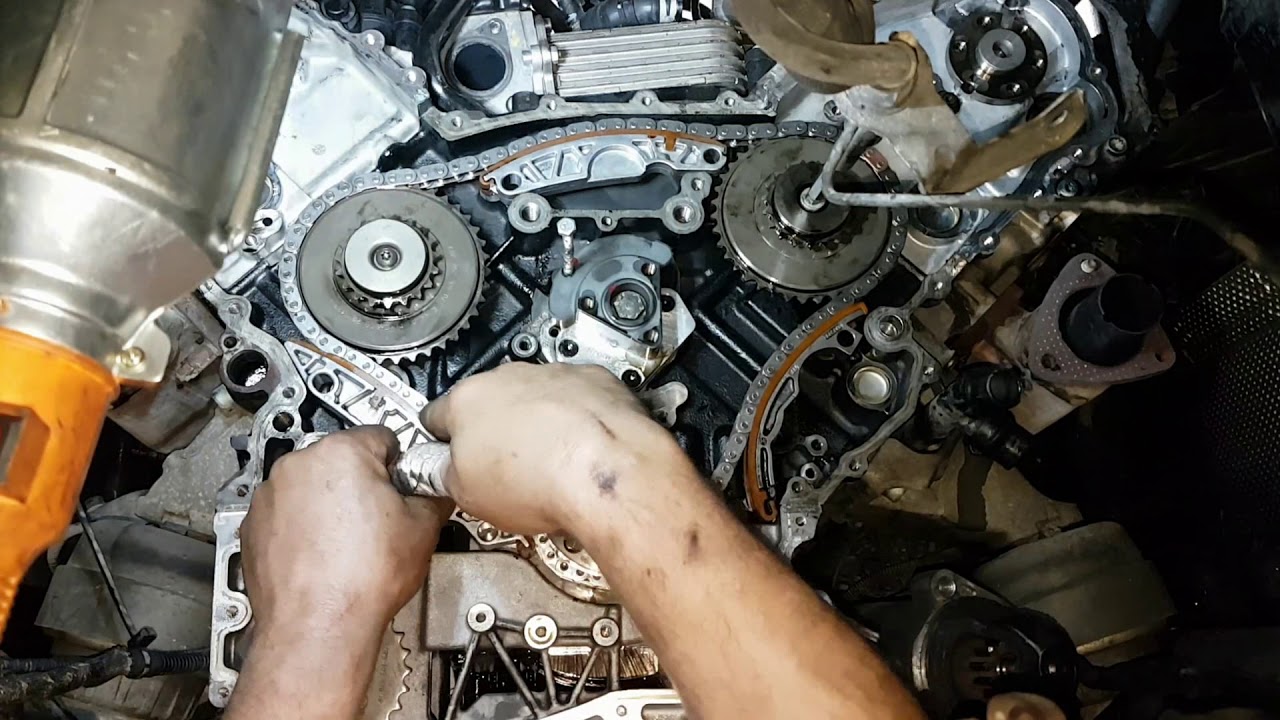
Let’s Fix Audi Pre-Sense Curently Restricted Error

I’ve had my share of car troubles, but there’s one particular problem that has caught my extra attention recently – the infamous ‘Audi Pre Sense Currently Restricted’ warning. It’s an issue that numerous Audi owners, including myself, have reported across various models.

Mainly the A3, S3, and RS3 are the most commonly affected. The warning typically indicates a malfunction within the pre-sense system, which includes essentials like collision warnings and emergency braking.

This problem often appears when I drive in heavy rain or snow, but sometimes it seems to occur spontaneously.

I’ve discovered that clearing debris and leaves from the front sensor can sometimes fix the issue, but on more occasions than not, it’s more persevering. In some cases, even condensation on the inside of the sensor has caused this Audi pre sense malfunction, requiring cleaning or recalibration.

AudiAid.com

Diagnosing and Addressing a Faulty Timing Chain in an Audi A6

The timing chain is a critical engine component in the Audi A6, responsible for synchronizing the movements of the crankshaft and camshaft. This synchronization is essential for the proper timing of the engine’s intake and exhaust valves during the combustion cycles. A well-functioning timing chain ensures efficient engine performance and smooth operation.

Common Symptoms of a Faulty Timing Chain

  1. Increased Engine Noise: A prominent sign of a timing chain problem is an increase in engine noise, often described as rattling, especially during startup or when the engine is idling.
  2. Trouble Starting or Hesitation During Acceleration: If the timing chain has slipped or is failing, the engine may struggle to start or exhibit hesitation and reduced responsiveness when accelerating.
  3. Reduced Fuel Efficiency: A malfunctioning timing chain can lead to less efficient combustion cycles, noticeably decreasing the vehicle’s fuel economy.
  4. Increased Exhaust Smoke: Excessive smoke from the exhaust can indicate that the engine is not burning fuel optimally, a possible consequence of timing issues related to a faulty chain.
  5. Misfiring: The incorrect timing of valve openings and closings can cause the engine to misfire, which is often accompanied by a noticeable decrease in power and smoothness of the engine operation.

Factors Influencing the Cost of Timing Chain Replacement

The cost of replacing a timing chain in an Audi A6 can vary widely due to several factors:

  • Complexity of the Repair: The accessibility of the timing chain and the amount of disassembly required can greatly affect the labor time and cost.
  • Expertise of the Technician: Specialized knowledge and skills may be needed for timing chain replacement, influencing the choice of technician and their rates.
  • Local Taxes and Fees: Geographic location can impact the overall cost due to different tax rates and shop fees.
  • Quality of Replacement Parts: The cost can also vary depending on the quality of the parts used. Higher quality or OEM (Original Equipment Manufacturer) parts generally cost more but offer better longevity and performance.

Steps Involved in Timing Chain Replacement

  1. Diagnosis: Confirm that the timing chain is the source of the problem through diagnostic testing.
  2. Disassembly: Access the timing chain by removing necessary components, which might include the radiator, various belts, and possibly the engine itself depending on the model.
  3. Replacement: Remove the old timing chain and install the new one, ensuring it is properly aligned and tensioned.
  4. Reassembly and Testing: Reassemble all removed parts and perform a thorough test to ensure everything is running smoothly with no leaks or noises.

Proactive Maintenance Tips

To prevent premature timing chain failure, regular maintenance is crucial. This includes:

  • Regular Oil Changes: Keeping clean oil in the engine can help reduce wear on the timing chain.
  • Early Detection: Pay attention to early signs of timing chain wear and address them promptly before more significant damage occurs.

Understanding these aspects and recognizing the early signs of a timing chain issue can help Audi A6 owners maintain their vehicle’s performance and avoid more costly repairs down the line. If you suspect a timing chain problem, it is advisable to consult with a professional mechanic who specializes in Audi vehicles to ensure a precise and durable repair.

Changing the Pre Sense settings on an Audi

reset Audi pre sense malfunction 

To reset an Audi pre sense malfunction, follow these simple steps. First, ensure that the car is parked and the engine is turned off. Locate the fuse box, usually located near the dashboard on the driver’s side or in the engine bay.

Open the fuse box and look for the fuse labeled “pre sense” or “collision avoidance system.” Remove the fuse carefully using a small pair of pliers or a fuse puller. Leave the fuse out for at least 10 seconds to allow the system to reset. Afterward, reinsert the fuse back into its original slot and make sure it is securely in place.

Finally, start the engine and check if the pre sense malfunction has been resolved. If the issue persists, it is recommended to consult an authorized Audi service center for further assistance. Resetting the Audi pre sense malfunction can help ensure the optimum performance and safety of your vehicle.

Audi pre sense warning light on start up

The Audi Pre Sense warning light on start-up may cause concern for drivers, but it’s important to understand what it indicates and how to address it.

This warning light typically illuminates when the Audi Pre Sense system detects a potential hazard or malfunction. It signifies that the system is actively monitoring the road ahead and is ready to assist in avoiding a collision.

While it may be alarming initially, it shows that Audi vehicles are equipped with advanced safety features that prioritize drivers’ well-being. To ensure optimal functionality, it is recommended to have the vehicle inspected by a certified Audi technician.

They can diagnose the issue and provide the necessary repairs or adjustments to restore the system’s proper operation. By addressing the Audi Pre Sense warning light promptly, drivers can maximize the safety benefits of this innovative technology and have peace of mind on the road. Trust in Audi’s commitment to safety and rely on their expertise to keep you protected at all times.

Concluding Thoughts on Audi Pre Sense Faults

From a safety perspective, the importance of attending to the ‘Audi Pre Sense Currently Restricted’ error cannot be overstated. While it does not necessarily affect the overall functioning of the vehicle, it can be distracting and leads to unnecessary anxiety. As an informed consumer, I believe it’s crucial for Audi owners to be aware of this potential challenge, to anticipate, manage, and even avoid the issue if possible.

FAQs

What is the Audi Pre-Sense system?

The Audi Pre-Sense system is an advanced safety system in Audi vehicles that uses sensors and cameras to detect upcoming hazards on the road.

What does it mean when the Audi Pre-Sense system malfunctions?

When the Audi Pre-Sense system malfunctions, it means that there is a fault or issue with the system’s components, such as the sensors or control module.

How does the Audi Pre-Sense system warn the driver of faults?

The Audi Pre-Sense system will display a warning message or symbol on the car’s computer or dashboard to alert the driver of any faults or malfunctions.

Can a faulty Audi Pre-Sense system restrict safety measures?

Yes, a faulty Audi Pre-Sense system can restrict safety measures. For example, if the system detects a potential collision but is not functioning properly, it may not engage the automatic braking system or tighten the seat belts.

What should I do if I receive a warning message about an Audi Pre-Sense system fault?

If you receive a warning message about an Audi Pre-Sense system fault, it is important to have your car inspected by an Audi specialist or mechanic as soon as possible. They will be able to diagnose and fix the issue to ensure your safety on the road.

Can I drive my car with a malfunctioning Audi Pre-Sense system?

It is not recommended to drive your car with a malfunctioning Audi Pre-Sense system. The system is designed to help keep you safe on the road, and driving without its proper functioning can increase the risk of accidents and damage to your car.

Can a car wash trigger faults in the Audi Pre-Sense system?

While it is unlikely for a car wash to directly trigger faults in the Audi Pre-Sense system, the water and cleaning process can potentially cause damage to the system’s sensors and cameras. It is always a good idea to inform the car wash attendants about the presence of any advanced safety systems in your car.

Is it possible to disable the Audi Pre-Sense system temporarily?

In some Audi vehicles, it may be possible to disable the Audi Pre-Sense system temporarily. However, it is important to consult your car’s manual or an Audi specialist before attempting to disable any safety systems.

Can a faulty Audi Pre-Sense system be fixed?

Yes, a faulty Audi Pre-Sense system can usually be fixed. It will require a diagnostic scan to identify the specific fault or issue, and then a qualified mechanic or Audi specialist can perform the necessary repairs or component replacements.

What should I do if the Audi Pre-Sense system fails to react to a potential hazard?

If the Audi Pre-Sense system fails to react to a potential hazard, it is important to engage your own defensive driving skills and take necessary precautions, such as immediately applying the brakes and ensuring all passengers are wearing their seat belts.

Cracking the Code: Audi’s B10001B Error and Airbag Resistance Too High

Facing airbag resistance too high issue in your Audi car? 

Our comprehensive guide will help you fix the problem and eliminate the error code b10001b. 

Safeguard yourself and your loved ones with a fully functional airbag system. 

How do you fix an airbag warning light code reads low voltage that came on directly after having the cars battery replaced after the battery was drained?

If you’re experiencing an airbag warning light code that reads low voltage after replacing your car’s battery, there are a few steps you can take to fix the issue.

Ensure that the battery replacement was done correctly and that the new battery is functioning properly. Check the battery terminals for any loose connections or corrosion, and tighten or clean them if necessary.    

Inspect the wiring and connectors related to the airbag system. Look for any damaged or disconnected wires, and make sure all connectors are securely plugged in. In some cases, the low voltage warning may be triggered by a faulty sensor or module. If you suspect this to be the case, it’s recommended to have the car diagnosed by a qualified technician who can use diagnostic tools to pinpoint the exact issue.    

What is 2 ohms in an airbag system?

In an airbag system, 2 ohms refers to the resistance level of the driver airbag igniter. When the resistance is too high, it can lead to an error code such as Audi’s B10001B.

This code indicates that there is a problem with the airbag system, specifically with the driver airbag igniter. The resistance being too high can prevent the airbag from deploying properly in the event of a collision. It is important to address this issue promptly to ensure the safety of the vehicle occupants. 

Why is an ohmmeter not recommended for testing an airbag?

An ohmmeter is not recommended for testing an airbag because it can be dangerous. Airbags are designed to deploy rapidly in the event of a collision, and they contain explosive materials. Using an ohmmeter to test the airbag’s resistance could potentially trigger the airbag to deploy unintentionally, causing injury or damage. It is essential to follow the manufacturer’s guidelines and use specialized equipment specifically designed for airbag testing to ensure safety.

Can a bad ignition put an airbag light on?

Yes, a bad ignition can put an airbag light on. When the ignition system is faulty, it can cause communication issues between the airbag system and the car’s computer.

This can trigger the airbag light to illuminate on the dashboard. The ignition system plays a crucial role in ensuring that all the car’s systems are functioning properly, including the airbag system.

If there is a problem with the ignition, it can disrupt the flow of information and lead to the airbag light coming on. It is important to address ignition issues promptly to ensure the proper functioning of the airbag system and overall safety while driving.

Why would an airbag light come on?

When it comes to the airbag light coming on in your vehicle, there can be several reasons behind it. One common cause is the driver airbag igniter resistance being too high. This issue can be triggered by a faulty sensor or a loose connection. It’s crucial not to ignore the airbag light, as it indicates a potential problem with the safety system.

To diagnose the exact cause, it is recommended to have your vehicle inspected by a qualified mechanic who can use specialized diagnostic equipment to pinpoint the issue accurately. Remember, ensuring the proper functioning of your airbag system is essential for your safety on the road.

b100a1b front passenger side airbag igniter resistance too high

Airbags play a crucial role in protecting passengers during accidents. However, sometimes issues with the airbag system can arise, such as the b100a1b front passenger side airbag igniter resistance being too high.

This error code indicates a problem with the front passenger side airbag igniter, which is responsible for triggering the airbag deployment in the event of a collision. It is essential to address this issue promptly to ensure the airbag system functions correctly, providing maximum protection to passengers.

By understanding the significance of proper airbag igniter resistance and promptly resolving any errors, we can ensure the safety of ourselves and our loved ones on the road.

driver thorax airbag igniter resistance too high

When it comes to vehicle safety, airbags play a crucial role in protecting drivers and passengers during accidents. However, there are instances when certain components of airbags may experience issues. One such problem is when the driver thorax airbag igniter resistance becomes too high. 

The driver thorax airbag igniter is responsible for initiating the deployment of the airbag in case of a collision. However, if the resistance of the igniter becomes too high, it can affect the proper functioning of the airbag system. This can potentially compromise the safety of the driver in the event of an accident. 

Similarly, the front passenger side airbag igniter can also face the issue of high resistance, marked by the error code B100A1B. It is crucial to address this problem as well because the passenger’s safety is just as important as the driver’s.

To ensure the effectiveness of the airbag system, it is essential to have the vehicle inspected and repaired by a qualified technician. Ignoring the issue can lead to serious consequences in the event of an accident. Prioritizing safety should always be the top concern for drivers and manufacturers alike.

How To Test a Air Bag Fault

Audi A6 Timing Chain Replacement Cost

Understanding the Importance and Replacement Costs of the Audi A6 Timing Chain

The timing chain in an Audi A6 is a critical component that synchronizes the rotations of the crankshaft and camshaft, ensuring smooth engine operation and precise valve timing for combustion and exhaust. When this chain fails, it can lead to increased engine noise, difficulty in starting, hesitation during acceleration, and decreased fuel efficiency. Recognizing the symptoms of a failing timing chain is crucial for maintaining your vehicle’s performance and avoiding more severe engine damage.

Cost Factors for Timing Chain Replacement

Replacing the timing chain in an Audi A6 can vary significantly in cost due to several factors:

  • Complexity of the repair: The difficulty level of accessing and replacing the timing chain.
  • Mechanic’s expertise: The experience and skill level of the technician.
  • Local taxes and fees: Geographic variations can affect the overall cost.
  • Parts required: The quality and source of the replacement parts.

Typically, the cost for replacing a timing chain on an Audi A6 ranges between $650 and $1,200. However, depending on the specifics of the repair and local market conditions, costs can extend from $800 to $1,400.

Choosing the Right Mechanic

Selecting a qualified mechanic is essential for a successful timing chain replacement. Consider the following when choosing a service provider:

  • Quality of parts: Ensure that high-quality, compatible parts are used.
  • Mechanic’s qualifications: Look for certifications and specializations in Audi or luxury vehicles.
  • Reputation: Check reviews and testimonials from other customers.
  • Warranty offerings: Seek out mechanics who offer guarantees on their work to secure your investment.

Preventative Maintenance and Signs of Failure

To prolong the life of your timing chain and prevent costly repairs, regular maintenance such as oil changes and engine check-ups are advised. Be vigilant for signs of potential failure, including:

  • Engine misfires and noises: Unusual sounds or operational hiccups can be early warnings.
  • Check engine light: An illuminated check engine light can sometimes indicate timing-related issues.
  • Rough idling or acceleration issues: These symptoms can suggest a timing chain that is out of sync.

Procedures Involved in Timing Chain Replacement

Replacing a timing chain is a detailed process that involves:

  1. Removing the old chain: This step requires careful disassembly to avoid damaging adjacent components.
  2. Inspecting related components: Check the tensioner and other related parts for wear and replace if necessary.
  3. Installing the new chain: Ensuring correct alignment and tension to prevent future issues.
  4. Final checks: Verify that all parts are correctly installed and functioning properly before completing the repair.

Cost-Effective Strategies for Timing Chain Maintenance

To manage and potentially reduce the costs associated with timing chain replacement, consider:

  • Regular maintenance: Follow the manufacturer’s guidelines for oil changes and inspections.
  • Comparative shopping: Get multiple quotes for the repair to ensure competitive pricing.
  • Quality parts: Invest in high-quality parts to avoid future failures.

By understanding these factors and taking proactive steps, Audi A6 owners can effectively manage the health of their timing chain and maintain optimal engine performance. Regular inspections and addressing any signs of wear early can significantly reduce the risks and costs associated with major engine repairs.

Audi A6 2.7 TDI Timing Chain Replacement 

Audi A6 2.7 TDI Timing Chain Replacement 

Conclusion

The timing chain replacement for the Audi A6 is a laborious and complex procedure that should only be attempted by an experienced and certified mechanic.

While it may seem daunting, replacing the timing chain has numerous benefits such as increased engine performance, improved fuel efficiency, and reduced emissions.

It is important to remember that a timely replacement of the timing chain can save thousands in potential repair costs down the line.

Like a finely crafted watch, when maintained properly the Audi A6 will run like clockwork.

car smells like nail polish remover

The Health Risks of Unpleasant Car Odors

Odors in cars that don’t smell good can be bothersome and even dangerous to your health. Volatile organic compounds (VOCs), released as gases from various items and materials within vehicles, are the primary source of these unpleasant odors. Found in carpets, automotive upholstery, adhesives, solvents, and cleaning supplies, the off-gassing of VOCs produces the unpleasant smells. The types and amounts of VOCs present can affect the odor’s strength and longevity, and extended exposure to high concentrations may pose health hazards like headaches, respiratory problems, and allergic reactions.

Identifying and Addressing the Sources of Car Odors

Identifying the sources of strong aromas in your car is critical, as cigarette smoke, spills, stains, mold, and mildew growth can all contribute to unpleasant odors. Scents similar to nail polish remover can be harmful to health, causing irritation to eyes, nose, and throat, as well as headaches, dizziness, and respiratory issues. Addressing these smells promptly is essential to reduce potential health risks.

Routine Cleaning and Maintenance for Odor Elimination

Routine cleaning and maintenance of the car’s interior are crucial to reduce and eliminate unpleasant smells. This involves clearing the cabin of debris and clutter, vacuuming the carpet, floor mats, and seats, and wiping down all surfaces with a mild cleaning solution. Avoiding odorous items like fast food, onions, and garlic, and refraining from smoking in the car are also important.

DIY Remedies and Professional Advice for Persistent Smells

Baking soda is a common DIY remedy for eliminating bad smells due to its scent-absorbing properties. For persistent smells, professional advice can be invaluable in determining the underlying source and providing workable remedies.

The Importance of Routine Maintenance for Car Longevity and Freshness

Routine maintenance is key to maintaining your car’s performance, lifespan, and fresh scent. Regular cleaning with the right cleaners for different surfaces, and washing the exterior of the vehicle, including windows and tires, prevents dirt and odors from building up.

Ventilation: The Key to a Fresh-Smelling Car Interior

Proper ventilation is necessary to improve the smell inside your automobile. Ventilation systems prevent mold and mildew growth, circulate fresh air, and remove stale odors. They also enhance the overall air quality inside the car by removing airborne contaminants like dust, pollen, and pet dander.

Why does my car smell funny?

Final Thoughts

Unpleasant odors in your vehicle can be a major distraction and hinder your overall driving experience. It is important to take control of these odors to ensure a comfortable and pleasant ride. By identifying the potential sources of these smells and implementing preventive measures, you can eliminate unwanted odors and enhance your driving experience.

One of the first steps in taking control of unpleasant odors is to identify the common culprits. These can include anything from spilled food or drinks, to dirty and damp carpets, to mold and mildew growth. By regularly cleaning and maintaining your vehicle, you can minimize the chances of these odors lingering.

Proper ventilation is essential to ensure fresh air circulation within your car. Opening windows and using air conditioning or heating systems can help in removing stale air and preventing unpleasant odors from settling in.

The Audi A4 story – Luxury meets innovation

Welcome to the world of Audi A4, a brand synonymous with luxury, performance, and cutting-edge technology. In this chapter, we embark on a journey through the evolution of the Audi A4, exploring its significance in the highly competitive luxury car market.

Overview of Audi A4

The Audi A4, introduced in 1994, represents a remarkable lineage of compact executive cars manufactured by the renowned German automaker, Audi AG. As a subsidiary of the Volkswagen Group, Audi has consistently pushed the boundaries of automotive excellence, and the A4 is a shining example of their commitment to perfection.

At its core, the Audi A4 is a symbol of German engineering prowess, blending sophistication with performance. Over the years, it has earned a special place in the hearts of car enthusiasts and luxury car aficionados worldwide. But what sets the Audi A4 apart from the competition, and why has it remained a top choice for discerning buyers?

Audi A4 (B9; facelift) –Wikipedia

Evolution of Audi A4 Generations

The Audi A4’s journey is marked by five distinct generations, each building upon the successes of its predecessor. From the pioneering B5 series to the modern B9 iteration, the A4 has consistently raised the bar in terms of design, technology, and driving experience. In this chapter, we will delve into the unique characteristics and innovations of each generation, uncovering the secrets behind the A4’s enduring popularity.

Significance of Audi A4 in Luxury Car Market

In a market saturated with luxury car options, the Audi A4 has managed to carve out a niche of its own. Its timeless design, exceptional performance, and dedication to safety have made it a formidable competitor in the luxury car segment. But what is it about the Audi A4 that captivates buyers and sets it apart from the competition?

As we progress through this article, we will explore the Audi A4’s impact on the luxury car market, analyzing how it has influenced consumer preferences and the automotive industry as a whole. Join us on this journey as we uncover the fascinating story of the Audi A4 and its role in shaping the world of luxury cars.

The First Generation (B5; 1994)

Sedan (pre-facelift) – Wikipedia

The Audi A4 B5 Series: A Milestone in Luxury Automobile Innovation

Launched in 1994, the Audi A4 B5 series marked a significant technological advancement in the premium automobile sector. With its compact elegance, superior aerodynamics, and advanced suspension system, the B5 set itself apart from competitors, establishing a new benchmark for luxury sedans.

Design and Engineering Excellence

A team of visionary engineers and designers crafted the B5, incorporating aerodynamic elements, a distinctive grille, and clean, classic lines that defined its aesthetic appeal. The design not only contributed to its visual distinction but also enhanced performance by reducing drag and improving fuel efficiency.

Versatile Engine Options and Performance

The B5 series offered a range of engine options that catered to diverse driving preferences. Notable among these were the V6 Power and the 1.8-liter 20-valve turbocharged engine, which provided a balance of power and efficiency. The introduction of Quattro all-wheel drive and precise steering contributed to remarkable acceleration and handling, elevating the driving experience to new heights.

Manufacturing and Production

Audi’s commitment to quality was evident in the production of the A4. With manufacturing hubs in Neckarsulm and Ingolstadt, Germany, the Audi A4 underwent several key phases including a facelift from 1999 to 2001, the launch of the high-performance S4 variant in 1996, and the introduction of the A4 Avant in 1997.

Market Impact and Sales Success

The late 1990s saw a surge in Audi A4 sales, solidifying its position as a leader in its class. The model was well-received across diverse markets, with strong sales in Europe, North America, and Asia, highlighting its global appeal.

Competitive Landscape

In the 1990s, the luxury car market was fiercely competitive, with key players such as Lexus ES, Volvo S70, Mercedes-Benz C-Class, and BMW 3 Series. The Audi A4 stood out due to its unique attributes and Audi’s strategic approach to innovation and marketing.

Notable Features and Variants

The Audi A4 was known for its performance, aesthetics, and advanced technology. Features like the Quattro all-wheel drive system enhanced driving stability, while the 1.8-liter 20v turbo engine offered an excellent mix of power and fuel efficiency. The introduction of convertible and Avant versions broadened its appeal to a wider audience.

Interior Quality and Technological Advancements

The A4 set industry standards for interior quality with luxurious materials, comfortable seating, and cutting-edge technology. It underwent various updates and facelifts, including the introduction of the Audi S4 and S6 variants. The S4 was particularly noted for its distinctive styling, enhanced performance through its powerful V6 engine, and the Quattro system.

Safety and Engine Innovations

Throughout the late 1990s and into 2001, Audi continued to push the boundaries of engine technology, which greatly enhanced the performance across the A4 lineup. The series offered a variety of engine options to suit different customer preferences and placed a strong emphasis on safety with major enhancements in stability control systems, advanced airbag technology, and structural reinforcements.

Legacy and Influence

Overall, the Audi A4 B5 series has had a profound impact on the luxury automobile market. Its pioneering features and distinctive styling have helped to cement its lasting legacy as a benchmark for future innovations in the automotive industry.

Hybrid Audi A4 (Duo)

Second generation (B6/8E/8H) – Wikipedia

In the ever-evolving landscape of automotive technology, Audi has consistently been at the forefront of innovation. One notable milestone in Audi’s journey toward sustainability and efficiency was the introduction of the hybrid Audi A4, known as the Audi Duo. In this chapter, we delve into the fascinating world of the Audi Duo, exploring its inception, role in early hybrid vehicles, and environmental impact.

Introduction to Audi Duo

Pioneering Hybrid Technology

The Audi Duo, introduced in the late 1990s, was one of the earliest hybrid vehicles to hit the market. It represented a significant leap forward in blending traditional combustion engines with electric power, laying the groundwork for the hybrid cars we see today.

Key Features:

  • Parallel Hybrid System: The Audi Duo utilized a parallel hybrid system, which allowed it to seamlessly switch between gasoline and electric power or use both simultaneously.
  • Regenerative Braking: It was equipped with regenerative braking technology, harnessing energy during braking to recharge the electric battery.
  • Electric-Only Mode: The Duo could operate in electric-only mode for short distances, reducing emissions in urban environments.

Audi Duo’s Role in Early Hybrid Vehicles

Setting the Stage for Hybrid Evolution

The Audi Duo played a vital role in advancing hybrid technology during its time. Its innovative design and capabilities served as a benchmark for other automakers striving to create more environmentally friendly and fuel-efficient vehicles.

Influencing the Industry:

  • Hybrid Popularity: The Audi Duo contributed to raising awareness and interest in hybrid vehicles, paving the way for the hybrid revolution that followed.
  • Improved Efficiency: Its hybrid system demonstrated the potential for improved fuelefficiency and reduced emissions, encouraging further research and development in the hybrid sector.

Environmental Impact and Legacy

Reducing Carbon Footprints

As concerns about environmental conservation grew, the Audi Duo’s contribution to reducing carbon emissions became increasingly relevant. Its early foray into hybrid technology left a lasting legacy.

Environmental Benefits:

  • Reduced Emissions: By utilizing electric power in city driving, the Duo significantly reduced tailpipe emissions, contributing to cleaner air quality.
  • Inspiration for Future Hybrids: The Audi Duo inspired subsequent hybrid models from Audi and other automakers, fostering a culture of innovation in the automotive industry.

The Audi Duo, though a pioneering hybrid vehicle of its time, was just the beginning of Audi’s commitment to sustainability. In the chapters ahead, we will explore Audi’s ongoing efforts to push the boundaries of technology and design in pursuit of a more sustainable automotive future.

Chapter 7. The Second Generation (B6; 2000)

As the Audi A4 continued its evolution, the arrival of the second generation marked a pivotal moment in the model’s history. With a new platform, innovative design inspired by Bauhaus principles, and substantial engine upgrades, the Audi A4 B6 not only upheld the brand’s reputation for excellence but also set new standards in the luxury car segment.

7.1. Redesign and New Platform

A Fresh Beginning

The Audi A4 B6, introduced in 2000, brought forth a significant redesign and a new platform. It was a departure from its predecessor, the B5, in terms of aesthetics and engineering. The clean and minimalist design, heavily influenced by Bauhaus design principles, emphasized functionality and aesthetics in harmony.

Design Highlights:

  • Clean Lines: The B6 featured clean, uncluttered lines that exuded a sense of simplicity and sophistication.
  • Improved Aerodynamics: The redesigned body not only enhanced the car’s visual appeal but also improved its aerodynamic efficiency, contributing to better fuel economy and performance.
Audi A4 B6 Cabriolet – Wikipedia

The Audi A4 B6: A Reflection of Bauhaus Aesthetics and Technological Advancement

The Audi A4 B6 series, infused with Bauhaus design principles, emphasizes simplicity and utility, blending these elements seamlessly with Audi’s technological prowess. This model iteration highlights the brand’s commitment to minimalist design and high functionality, using high-quality materials and efficient powertrain options, including turbocharged gasoline and diesel engines.

Performance and Efficiency

The B6 series is renowned for its turbocharged engines that offer an optimal balance of power and fuel efficiency. This combination ensures that the vehicle delivers robust performance without compromising on environmental concerns, aligning with modern drivers’ expectations of power and precision. The Audi A4 Avant, a wagon variant, extends this ethos by providing substantial cargo space, marrying practical luxury with spaciousness.

Innovations in Transmission Technology

A significant advancement introduced with the B6 is the Multitronic transmission system. This innovative feature represents a leap in transmission technology by offering unlimited gear ratios, which allows for smoother acceleration and adapts efficiently to various driving conditions. Despite some critiques regarding its dynamism compared to traditional manual or dual-clutch transmissions, the Multitronic system marks Audi’s pioneering approach to enhancing automatic transmission systems.

Impact on Transmission Systems

The Audi A4’s influence extends to the evolution of automatic and semi-automatic transmission systems, including advancements in dual-clutch transmissions. These developments showcase Audi’s ongoing commitment to refining the driving experience through cutting-edge technology.

‘Ultra Sport’ Package: Merging Performance with Style

The introduction of the ‘Ultra Sport’ package further solidified the Audi A4’s athletic identity. This package integrates performance enhancements with aesthetic upgrades, featuring sportier interior elements like carbon-fiber trim, sport seats, and a distinct steering wheel. Externally, it includes unique body trim, a lowered sport suspension, and exclusive alloy wheels, enhancing the car’s visual appeal and driving dynamics.

Market Appeal and Future Prospects

In North America, the ‘Ultra Sport’ package increased the Audi A4’s appeal among drivers who value both performance and luxury. This enhancement not only added a layer of sportiness but also strengthened Audi A4’s position in the luxury automobile market.

Setting Industry Benchmarks

The Audi A4 has consistently set benchmarks in the premium automobile market through its delivery of advanced technology, luxurious comfort, and compelling performance. Its history is marked by creative design approaches, technological innovations, and a commitment to ongoing improvement. Future projections for the A4 include potential electrification and the integration of autonomous driving technologies, indicating Audi’s forward-thinking strategy.

Cementing Audi’s Brand Image

Through the A4 series, Audi has significantly shaped its brand image, establishing itself as a leader in the luxury car industry. The A4 has played a pivotal role in reinforcing Audi’s reputation for performance, innovation, and quality, securing its status as a top choice for luxury car buyers globally.

Overall, the Audi A4 B6 not only exemplifies Audi’s dedication to design and performance but also acts as a critical milestone in the brand’s evolution, influencing future generations of luxury vehicles.

Adaptive Light Defective Audi A6 – Do This!

Enhancing Nighttime Driving: The Adaptive Light System in Audi A6

The adaptive light system on the Audi A6 models improves visibility and safety when driving at night. However, factors such as aged parts, bad wiring, electrical problems, failing headlamp modules, and difficulties pinpointing the precise cause without appropriate diagnostic testing, might lead to issues.

Diagnosing Adaptive Light Malfunctions: Training and Experience

Diagnosing a malfunctioning adaptive light requires specific training and experience. This includes visual evaluation of the system, testing with specialized technical equipment, determining the origin of the problem, and calculating the cost, time, and safety considerations involved in the repair process.

Repair Steps for a Faulty Adaptive Light

Repairing a malfunctioning adaptive light involves several steps:

  • Replacing broken bulbs
  • Inspecting and changing faulty fuses
  • Testing and recalibrating the system
  • Utilizing original components
  • Adhering to official manufacturer repair directions

Symptoms of a Malfunctioning Adaptive Light in Audi A6

Signs of a malfunctioning adaptive light in an Audi A6 include:

  • Flickering or fading headlights
  • Hazy lenses
  • Uneven headlight beam patterns
  • Decreased visibility during nighttime driving

Servicing and Diagnostics: The Importance of Professional Assistance

It is crucial to bring the vehicle in for servicing if any issues are observed. Skilled mechanics will be able to precisely examine and identify the problem.

Model-Specific Repair Processes for Audi A6 Adaptive Lights

The repair process may vary depending on the model and year of the Audi A6 but generally includes a visual inspection and specialized electronic equipment testing.

Preventive Maintenance: Avoiding Adaptive Light Malfunctions

Regular maintenance is necessary to avoid malfunctions of the Audi A6 adaptive light system. This includes regular inspections and cleaning any dirt or debris from the headlights.

Frequently Asked Questions

How Much Does It Cost to Repair a Defective Adaptive Light in an Audi A6?

DIY repairs are possible, but for preventative maintenance, the cost to repair a defective adaptive light will depend on the type of car and parts needed. Professional mechanics may be necessary for more complex models. It is important to research options carefully to ensure freedom from future costly repairs.

Are There Any Aftermarket Parts Available for Replacing a Defective Adaptive Light?

Yes, there are aftermarket parts available for replacing a defective adaptive light. Installation tips and troubleshooting techniques can be found online for most models, providing an alternative to OEM parts.

How Often Should the Adaptive Light Be Serviced or Replaced?

To ensure optimal performance and preventative maintenance, the adaptive light should be checked regularly. A trained technician should inspect the engine to properly assess any potential issues. Meticulous attention must be paid to detail in order to avoid costly repairs down the road. Thus, it is wise to take a proactive approach and schedule regular check-ups for your vehicle’s adaptive light system.

Are There Any Safety Concerns Associated With a Defective Adaptive Light?

Utilizing synecdoche, one can surmise that a defective adaptive light has the potential to cause a myriad of safety concerns. From lighting diagnosis to visibility issues, such deficiencies can potentially lead to hazardous driving conditions and compromise the driver’s freedom.

 Audi “Adaptive Headlight Defective” One Minute Fix

Conclusion

The adaptive light in an Audi A6 can be the source of several problems that can affect the driver’s experience. By understanding the symptoms, causes, and methods to diagnose and repair these issues, drivers can take proactive measures to ensure their vehicle is functioning properly.

The ability to provide timely maintenance for a defective adaptive light will help prevent further damage or even an accident from occurring. Symbolically speaking, having a working adaptive light in one’s car is like having a lifeline – it illuminates any potential hazards that may lay ahead on the road.

Thus, it is essential for people driving an Audi A6 to stay vigilant and perform regular checks on their vehicle’s adaptive light system.

Audi A4 Engine Mount Symptoms

Diagnosing and Addressing Engine Mount Problems in an Audi A4

Engine mounts are crucial for maintaining a stable and vibration-free driving experience in an Audi A4. When these mounts malfunction, they can severely restrict vehicle mobility and create driving uncertainty. Common signs of engine mount problems include increased shaking and vibration while driving, noisy vibrations inside the car, misalignment between the engine and transmission, and damage to other parts due to excessive engine movement. These symptoms often necessitate a thorough inspection of the engine mounts.

Troubleshooting Engine Mount Issues

To diagnose a malfunctioning engine mount, it’s essential to evaluate possible causes and perform specific checks:

  • Check for Fluid Leaks: Inspect for any fluids that might have spilled on the engine mount, as these can degrade the material.
  • Assess Shaking: Feel for excessive shaking when braking or accelerating, which can indicate a failing mount.
  • Listen for Noises: Pay attention to any strange noises coming from the area of the engine mount.
  • Vibration Feedback: Notice if there are unusual engine vibrations while driving, as these can point to mount issues.

Underlying Causes of Engine Mount Failure

Several issues could lead to defective engine mounts, including:

  • Rust and Jammed Bolts: These can prevent the mounts from functioning correctly.
  • Wear and Tear on Rubber Bushings: The bushings that connect the mounting brackets to the vehicle frame can deteriorate over time.
  • Improper Maintenance: Neglecting regular check-ups can lead to premature mount failure.

During inspections, a qualified mechanic should check for worn bushings or jammed bolts to prevent further issues.

Replacing an Engine Mount

Replacing an engine mount involves careful disassembly and installation:

  1. Diagnosis: Confirm the engine mount issue through diagnostic tests.
  2. Performance Assessment: Evaluate how the faulty mount affects the vehicle’s performance.
  3. Preparation for Replacement: Ready the vehicle for the installation of a new mount.
  4. Consultation: Seek advice from a manufacturer or mechanic to choose the correct replacement.
  5. Installation: Install the new mount, ensuring all connections are secure.
  6. Post-Installation Checks: Test the vehicle to ensure the new mount is functioning correctly.

Preventive Measures and Maintenance

To avoid future engine mount problems:

  • Regular Vehicle Maintenance: Include frequent tire rotations, oil changes, and general inspections.
  • Monitor for Early Signs: Be vigilant for vibrations during acceleration or gear changes and listen for clunking sounds when driving over bumps, which could indicate early mount issues.

Cost Considerations

The labor and parts costs for replacing an engine mount on an Audi A4 typically range between $775 and $832. It’s advisable to address these issues promptly to prevent more severe damage and avoid more costly repairs down the line.

In summary, recognizing the symptoms of engine mount failure and addressing them through proper diagnostics and replacement can significantly enhance the driving stability and overall safety of an Audi A4. Regular maintenance and being attuned to early warning signs are key in extending the life of engine mounts and ensuring optimal vehicle performance.

Frequently Asked Questions

What Are the Typical Costs for Replacing an Engine Mount?

Replacing an engine mount typically involves maintenance costs, including the cost of the mount itself and its installation. Depending on the vehicle, these costs can range from a few hundred to several thousand dollars.

What Tools Are Needed to Replace an Engine Mount?

Hands free from danger is key when replacing an engine mount; safety precautions must be taken. For those seeking DIY tips, numerous tools are required: a wrench, socket set, screwdriver, and more. Knowledge of these items and their usage is essential to ensure accurate and detailed work with maximum freedom.

Does an Engine Mount Issue Cause Any Long-Term Damage to the Engine?

An engine mount issue can cause long-term damage to the engine in the form of increased engine noise, vibrations and potential oil leaks. If untreated, this could result in further wear and tear of internal components, leading to costly repairs.

How Long Can a Car Be Driven With a Faulty Engine Mount?

Driving with a faulty engine mount can be dangerous due to potential overheating risks, and should be addressed as soon as possible. To minimize any further damage, it is best to keep up with regular maintenance and seek professional help for repairs if necessary.

Are There Any Aftermarket Engine Mounts Available for the Audi A4?

A sleek engine mount, accessible through aftermarket suppliers, can provide installation tips and relief from oil leaks. With the proper time and effort, it can be a satisfying upgrade for those seeking freedom from the daily grind of car ownership.

Audi A4 engine mounts replacement

Conclusion

The proper diagnosis and repair of an engine mount issue is essential to the longevity and performance of a vehicle. Failure to take appropriate action can result in severe damage, leading to costly repairs or even complete replacement.

It is important that any symptoms indicating failure be addressed immediately, using the appropriate tools and techniques. Regular inspections should also be undertaken to ensure these issues are detected early on, allowing for a swift resolution.

With such attention given, drivers can enjoy a smooth and safe ride with confidence in their vehicle’s reliability.

Audi A4 Jerks When Accelerating

Some may argue that jerking when accelerating in an Audi A4 is just part of the driving experience. However, owners should be aware of common causes and repair options for this issue so they can take control of their vehicle’s performance.

This article will discuss:

  • Diagnosing the problem
  • Common causes
  • Repair options
  • How to avoid similar problems in the future
  • Pros/cons of DIY repairs.

Key Takeaways

  • Stalling issues or fuel delivery problems in an Audi A4 could be caused by faulty spark plugs, worn out ignition coils, dirty fuel injectors, vacuum leaks, or bad oxygen sensors.
  • Jerking or hesitation during acceleration in an Audi A4 may be caused by fuel injection issues, engine misfires, turbo failure, or vacuum leaks.
  • Repair options for jerking issues in an Audi A4 depend on the underlying cause and may include parts replacement or recalibrating the engine and transmission control module.
  • Regular servicing and preventive maintenance are essential in avoiding future problems and ensuring optimal vehicle performance.

Experiencing jerks in your Audi A4 when accelerating can be attributed to various factors. Common causes include issues with the transmission system, such as a malfunctioning torque converter or a problematic throttle position sensor. Additionally, problems with fuel delivery or a clogged air filter may contribute to this concern. To resolve the jerking issue, it is advisable to consult with a qualified mechanic to diagnose the specific issue and implement the necessary repairs or adjustments promptly.

Diagnosing the Problem

Diagnosing the cause of the jerking when accelerating in an Audi A4 may help to identify a solution. In order to accurately assess the issue, it is important to look at all aspects that could be contributing to stalling issues or fuel delivery problems.

There are several potential causes for this issue in an Audi A4, including faulty spark plugs, worn out ignition coils, dirty fuel injectors, vacuum leaks, and bad oxygen sensors. Additionally, other parts of the car’s engine such as the air filter and fuel pump should be inspected for possible damage or malfunctioning.

Regular checkups by a qualified technician can help prevent these types of issues from occurring in the first place. By taking these measurements and testing each component carefully, drivers can achieve freedom of worry on their journey while ensuring that their Audi A4 performs optimally with no jerks when accelerating.

Common Causes of Jerking

Investigating jerking when accelerating may reveal various common causes.

  • Fuel injection issues, engine misfires, turbo failure, and vacuum leaks can all cause the car to jerk or hesitate upon acceleration.

If fuel injection is suspected as a culprit, it can be identified by poor acceleration performance with engine light illuminated on the dashboard.

Misfiring in the engine can be caused by worn spark plugs or a failing ignition coil.

Turbo failure will cause a decrease in power output and an increase in exhaust smoke from the tailpipe; this should be addressed immediately as it could lead to further damage if left unchecked.

Vacuum leaks are often found around intake manifold gaskets; they will cause rough idling and difficulty maintaining speed while driving at higher speeds.

Repair Options

Repair options for jerking or hesitating upon acceleration depend on the underlying cause of the issue. Symptom identification is key in this process, as it allows technicians to narrow down possible causes.

Parts replacement is another option that may be necessary if a component of the Audi A4 has become faulty or needs replacing due to wear and tear.

In addition, other more complex repair options such as recalibrating the engine and transmission control module may also need to be considered.

Ultimately, while some repair issues can be identified by an experienced technician, more complex repairs are best solved with assistance from an authorized Audi service center.

How to Avoid Future Problems

Preventive maintenance is an important factor in avoiding future performance problems with a vehicle. Regular servicing of an Audi A4 should include the following:

  • Inspecting and replacing filters and fluids
  • Checking for worn out parts
  • Examining suspension components
  • Ensuring all electrical connections are secure.

These steps can ensure optimal performance of the vehicle, providing greater freedom to travel as desired without worrying about sudden breakdowns or acceleration issues. Regular servicing will also help identify any potential mechanical or electrical issues before they become major repair costs.

Transitioning into the next section about DIY repairs, it is important to weigh both the pros and cons of taking on this task yourself.

Pros and Cons of DIY Repair

Considering the potential benefits and drawbacks of attempting repairs on an Audi A4 oneself, it is important to consider various factors. Cost benefit can be a determining factor in one’s decision to pursue DIY repair. Depending on the type of repair needed, parts may be inexpensive or expensive. Research into what is needed to do the job properly and safely is also essential before starting. In addition, one must consider if they have the time and expertise required for the task.

DIY repair offers freedom in that one no longer has to rely on external assistance, allowing them to solve their own problems without relying on others or paying for costly services. On the other hand, there are risks associated with not having professional help, including potentially causing further damage if mistakes are made during attempted repairs which could result in costly repairs down the line.

Ultimately, research questions need to be asked before deciding whether DIY repair is a viable option for a given situation; Is it safe? Do I have enough time? Is it cost effective? Are the necessary skills available? Answering these can help determine if DIY repair is right for any given situation involving an Audi A4 jerking when accelerating.

Frequently Asked Questions

What Is the Average Cost to Repair the Jerking Issue?

Troubleshooting the jerking issue may require engine maintenance, and costs can vary greatly depending on several factors. Professionals suggest consulting a mechanic to obtain an accurate estimate for repairs.

Are There Any Recalls Associated With This Issue?

There have been no recalls associated with fuel quality, engine tuning, or transmission troubleshooting issues. However, it is important to be aware of any potential problems and take necessary steps to address them in a timely manner.

Are There Any Aftermarket Parts That Can Be Used to Help Reduce Jerking?

Satirically speaking, one might find solace in the idea of preventative maintenance and troubleshooting tips to reduce jerking. Such techniques could include replacing or modifying aftermarket parts, as well as regularly inspecting key components to maintain optimal performance; all essential for a freedom-seeking audience.

What Is the Expected Lifespan of the Car After the Repair?

The expected lifespan of the car after repair largely depends on wear prevention and driving safety. With regular maintenance, quality parts, and responsible use, it can be assumed that the car will last many years.

Are There Any Common Symptoms That Would Indicate a Jerking Issue Before It Occurs?

Common symptoms that may indicate a jerking issue before it occurs include clogged fuel filters, ignition misfires, or other engine issues such as reduced power output or acceleration. These can result in an erratic or unstable running of the engine.

Hesitation on acceleration on audi a4 b8

Conclusion

Concluding, jerking when accelerating in an Audi A4 can be caused by a number of issues and the repair options vary depending on the severity of the problem.

It is important to take preventative measures to avoid future problems and to ensure that any repairs are performed correctly.

With proper maintenance, drivers can expect their Audi A4 to perform optimally.

Could regular maintenance have prevented this issue from arising in the first place?

Replacing Shocks and Struts in Audi

I’ve seen it all: the bumpy rides, the worn-out tires, and the frustration of a worn suspension. But fear not, fellow Audi owners, for I have discovered the secret to a smooth and safe journey.

In this article, I will reveal the step-by-step process of replacing shocks and struts in your Audi. Brace yourself for a detailed guide that will not only save you money but also prolong the lifespan of your beloved car.

Get ready to experience the freedom of a brand new suspension system.

Understanding Strut Replacement Costs and Procedures for an Audi

Strut replacement is a critical maintenance task for ensuring the safety and performance of your Audi. The cost and complexity of this service can vary significantly based on the specific model and year of your vehicle, as well as the type of struts and any additional repairs that might be necessary.

Cost Factors for Strut Replacement

  1. Vehicle Model and Year: Different Audi models and production years may require different types of struts, which can vary in cost.
  2. Type of Struts: The cost can also differ based on whether standard or performance struts are used.
  3. Labor: The complexity of the strut replacement can affect the amount of labor required, which in turn influences the overall cost.

Typically, replacing struts on an Audi can range from $500 to $1,500. This estimate should include both parts and labor.

Symptoms of Worn or Damaged Struts

  • Unusual Noises: Knocking or rattling sounds from the suspension, especially when driving over bumps.
  • Uneven Tire Wear: Worn struts can cause the tires to wear unevenly, which you might notice during regular inspections or tire rotations.
  • Excessive Bouncing: If the car continues to bounce excessively after going over a bump or during turns, it could indicate failing struts.
  • Handling Issues: Poor stability or a noticeable decline in handling performance, particularly during turns or in windy conditions.

Procedure for Replacing Struts

  1. Vehicle Preparation: Safely lift and secure the vehicle on a level surface to ensure it is stable during the repair process.
  2. Removal of Old Struts: Follow the specific guidelines in your Audi’s manual to remove the old struts without damaging other suspension components.
  3. Installation of New Struts: Install the new struts carefully, ensuring they are aligned correctly and secured with the proper torque as specified by Audi.
  4. Post-Installation: After replacing the struts, a wheel alignment is crucial to ensure the car drives straight and to avoid uneven tire wear.

Extended Costs and Repairs

In some cases, additional suspension components might need attention during strut replacement:

  • Suspension Bushings: Worn bushings might need replacing to ensure optimal performance.
  • Control Arms: Damaged control arms can affect the stability and alignment of the vehicle.
  • Shocks: If the shocks are worn out, they should be replaced along with the struts to maintain ride quality.

For a typical Audi, comprehensive suspension repair costs, including shocks, struts, bushings, and possibly control arms, can range from $1,000 to $3,000 depending on the extent of damage and the specific model.

Choosing a Service Provider

When selecting a service provider for strut replacement:

  • Experience with Audi Vehicles: Choose a mechanic or a service center that has specific experience with Audi vehicles to ensure quality and precision.
  • Warranty and Pricing: Consider providers who offer competitive pricing and warranty options for the parts and labor.
  • Reputation: Check reviews and seek recommendations to find a reliable and trustworthy service provider.

Conclusion

Regular maintenance, including timely replacement of worn or damaged struts, is essential for maintaining the safety and drivability of your Audi. By understanding the symptoms of strut problems and following a systematic approach to replacement, you can ensure that your vehicle continues to perform at its best. Always consult with a professional mechanic to get accurate cost estimates and quality service for your specific Audi model.

Understanding the Costs and Importance of Replacing Car Struts

Replacing your car’s struts is a critical maintenance task that ensures the safety and performance of your vehicle. The cost of strut replacement can vary significantly based on several factors including the quality of the struts, labor costs, and the make and model of your car.

Cost of Strut Replacement

  1. Front Struts: Replacing front struts typically costs between $200 and $600. The front struts play a crucial role in absorbing the shocks from road surface irregularities, ensuring comfortable and stable driving.
  2. Rear Struts: The cost for replacing rear struts ranges from $250 to $650. Rear struts contribute to the stability and load-bearing capabilities of the vehicle.

When considering strut replacement, it’s essential to get multiple quotes from mechanics, assess the quality and warranty of the struts, and negotiate to ensure you get the best value for your money.

Signs of Damaged Struts

Driving with damaged or worn-out struts can compromise the control and safety of your vehicle, particularly when maneuvering curves and making sudden movements. Here are some common indicators that your struts may need replacing:

  • Abnormal Noises: Clunking or creaking sounds from the vehicle’s suspension, especially when going over bumps or during turns.
  • Excessive Bouncing or Instability: A car that continues to bounce after hitting a bump or feels unstable on the road may have strut issues.
  • Handling Difficulties: Difficulty maintaining control of the vehicle, especially at higher speeds or when turning.
  • Longer Stopping Distances: Worn struts can increase the time and distance it takes to stop the car.
  • Uneven Tire Wear: Damaged struts can cause tires to wear unevenly, which not only necessitates early tire replacement but also affects driving safety.

Safety Risks

Driving with damaged struts not only affects your safety but also poses a risk to others on the road. It is crucial to address any issues with struts promptly to ensure optimal vehicle performance and safety.

Diagnosis and Replacement

If you experience any of the symptoms associated with faulty struts, it is vital to have them checked by a professional mechanic. Here are steps involved in diagnosing and replacing struts:

  1. Inspection: A mechanic will inspect the struts for physical damage, wear, and effectiveness.
  2. Replacement: If the struts are found to be faulty, the mechanic will replace them, ensuring that all associated components like the spring, mount, and bearings are in good condition.
  3. Alignment: Post-replacement, a wheel alignment is often necessary to ensure the vehicle drives straight and to prevent uneven tire wear.

Maintenance Tips

Regular checks and maintenance can prolong the life of your struts and help you avoid costly repairs. Here are a few tips:

  • Regular Inspections: Have your vehicle’s suspension system inspected regularly as part of routine maintenance.
  • Avoid Harsh Conditions: Try to avoid rough roads and conditions that can cause excessive wear on your suspension.
  • Listen and Feel: Pay attention to how your car drives and sounds. Early detection of suspension issues can prevent more serious problems.

In conclusion, staying vigilant about the condition of your car’s struts and acting promptly when issues arise can significantly enhance your vehicle’s safety and driving performance. Regular maintenance and timely replacement of struts are key to ensuring a safe and smooth driving experience.

Addressing Worn Shocks and Struts in Audi Vehicles: A Guide to Optimal Performance and Safety

Worn shocks and struts can significantly impact the comfort, safety, and handling of your Audi, making it essential to understand the symptoms of wear and the importance of timely replacement.

Symptoms of Worn Shocks and Struts

  1. Noise on Uneven Roads: Worn shocks and struts are less able to cushion the impact of road irregularities, often resulting in audible clunking or rattling noises when driving over bumps.
  2. Excessive Vehicle Bounce: Damaged struts lose their ability to effectively absorb road shocks, leading to excessive vehicle bouncing and reduced ride comfort.
  3. Uneven Tire Wear: Compromised struts affect tire contact with the road, leading to uneven tire wear, reduced traction, and diminished braking efficiency.
  4. Handling Issues: A decline in vehicle stability, especially when cornering or in windy conditions, often indicates strut problems.

Lifespan and Maintenance

  • Typical Lifespan: Shocks and struts generally last between 50,000 and 100,000 miles. Factors such as driving conditions, vehicle weight, and maintenance practices can extend or shorten this range.
  • Routine Checks: Regular inspections can identify issues like leaks or uneven tire wear early, preventing more serious problems.

Replacement Considerations

When replacing shocks and struts on your Audi, consider the following:

  • Complete Replacement: It’s often advisable to replace all four shocks and struts simultaneously to maintain balanced vehicle handling.
  • Quality Parts: Use high-quality replacement parts that match or exceed OEM specifications to ensure longevity and performance.
  • Additional Components: Don’t overlook related components such as mounting hardware and bushings, which can also wear out and affect the new struts’ effectiveness.
  • Wheel Alignment: Post-replacement alignment is crucial to ensure the vehicle tracks straight and to maximize tire life.

DIY Replacement Tips

If you have the right tools and some mechanical knowledge, replacing shocks and struts can be manageable:

  1. Preparation: Assemble the necessary tools and equipment, secure the vehicle on a level surface, and raise it safely.
  2. Removal: Carefully remove the wheels and disconnect relevant components such as brake lines. Follow your Audi’s manual to remove the old shocks and struts without causing damage.
  3. Installation: Install the new shocks and struts, ensuring all bolts are tightened to the manufacturer’s specifications.
  4. Post-Installation: Reattach the wheels and lower the vehicle. Schedule a wheel alignment to complete the process.

Professional Help

For those less experienced with car maintenance or when specialized tools are required, seeking professional help is advisable. Certified mechanics can ensure that the replacement is done correctly and safely, providing peace of mind and preserving your vehicle’s integrity.

Conclusion

Maintaining the shocks and struts of your Audi is crucial for ensuring optimal performance, comfort, and safety. Regular inspections and timely replacements help prevent further damage to your vehicle’s suspension system and ensure a smoother ride. Whether you choose to undertake replacements yourself or opt for professional service, understanding the needs and requirements of your specific Audi model is key to effective maintenance.

Tools NeededEstimated Time RequiredCost Savings
Spring Compressor1-2 hours$100-150
Socket Set1-2 hours$50-100
Torque Wrench1-2 hours$50-100
Jack and Jack Stands1-2 hours$50-100

Shocks vs Struts

When it comes to understanding the difference between shocks and struts, it’s important to note that while they both play a role in a vehicle’s suspension system, they serve different functions.

Shocks are responsible for absorbing and dampening the impact of bumps and vibrations, while struts are a structural component that supports the weight of the vehicle and provides additional stability.

In the case of an Audi A4, it’s equipped with struts in the front and shocks in the rear, as struts are commonly found in the front suspension of many vehicles.

Are shocks and struts the same thing

I’ve always wondered whether shocks and struts are the same thing or not. While they both contribute to the suspension system of a vehicle, they serve different purposes. Shocks, or shock absorbers, are responsible for controlling the movement of the springs, ensuring a smooth and controlled ride. On the other hand, struts are a structural part of the suspension system, providing support and stability to the vehicle. They include a shock absorber within them, but also have additional components like the coil spring and upper mount. So, while they share similarities, shocks and struts aren’t the same thing.

Now, moving on to the question of whether Audis have shocks or struts. Audis typically have a combination of shocks and struts in their suspension systems, depending on the specific model and year. Some models may have McPherson struts in the front and separate shocks in the rear, while others may have shocks and struts in both the front and rear. It ultimately varies based on the design and engineering choices made by Audi for each specific vehicle.

Do Audis have shocks or struts

Yes, Audis typically have a combination of shocks and struts in their suspension systems, depending on the specific model and year. Shocks and struts are both essential components of a vehicle’s suspension system, responsible for absorbing the impact from the road and providing a smooth and comfortable ride.

Shocks, also known as shock absorbers, are hydraulic or gas-filled cylinders that dampen the vibrations caused by uneven surfaces. Struts, on the other hand, are structural components that provide support and help maintain the alignment of the wheels. They combine the functions of a shock absorber and a suspension spring.

When it comes to replacing shocks and struts in an Audi, it’s crucial to consider the model and year to ensure compatibility and optimal performance. Regular maintenance and timely replacement of worn-out shocks and struts are essential for the overall safety and performance of the vehicle.

Does an Audi A4 have struts or shocks

I think the Audi A4 has both struts and shocks in its suspension system. The A4 is known for its exceptional handling and performance, and having both struts and shocks contributes to its dynamic capabilities. Struts are a type of suspension system that provide structural support and damping, while shocks are responsible for absorbing and dampening the impact of bumps and vibrations. To give you a better understanding, here is a table that breaks down the components of the Audi A4’s suspension system:

ComponentFunction
StrutsProvide structural support and damping
ShocksAbsorb and dampen impact of bumps and vibrations
SpringsSupport vehicle weight and absorb shocks
Control ArmsConnect suspension components to the chassis

As you can see, both struts and shocks play important roles in the Audi A4’s suspension system, ensuring a smooth and controlled ride.

Do all 4 wheels have struts

While struts are typically found on the front wheels of a vehicle, it’s important to note that not all 4 wheels have struts. In the case of an Audi, the rear wheels don’t have struts but instead have separate shock absorbers.

The purpose of struts and shocks is to provide dampening and stability to the vehicle’s suspension system. Struts are a more integrated component that combines the function of a shock absorber with additional structural support. They’re typically found on the front wheels because they also serve as a mounting point for the steering system.

However, the rear wheels of an Audi, like many other vehicles, utilize separate shock absorbers for dampening the suspension. It’s crucial to understand this distinction when replacing shocks and struts on an Audi to ensure proper functionality and performance.

Brake System

The brake system is a critical component of any vehicle, responsible for slowing or stopping the vehicle when necessary. It consists of several parts, including the brake pads, rotors, calipers, and brake fluid.

However, it’s important to note that struts aren’t directly part of the brake system. While they may contribute to the overall performance and stability of the vehicle, struts primarily function to support the suspension system and absorb shocks.

Are struts part of the brake system?

Yes, struts play a crucial role in the brake system by providing stability and support during braking. Struts are an integral part of the suspension system, which is responsible for maintaining control and stability of the vehicle.

When you apply the brakes, the struts help to distribute the braking force evenly across all four wheels, ensuring optimal stopping power. They also help to absorb the impact and vibrations that occur during braking, preventing excessive wear and tear on other components of the brake system.

In addition, the struts work in conjunction with the shocks to provide a smooth and comfortable ride, enhancing the overall driving experience. Therefore, it’s essential to ensure that the struts are in good condition and properly maintained to ensure the safety and performance of your Audi.

FAQ

How often should I replace the shocks and struts in my Audi A4?

The average lifespan of shocks and struts is around 50,000 to 100,000 miles. However, it is always recommended to consult your vehicle’s owner’s manual for the manufacturer’s specific recommendation.

What is the average cost to replace shocks and struts in an Audi?

The cost of replacing shocks and struts in an Audi can vary depending on the model and the location of the repair shop. On average, you can expect to pay anywhere from $500 to $1,000 for parts and labor.

What is the difference between a shock absorber and a strut?

A shock absorber is a standalone component that helps dampen the up-and-down motion of the suspension. On the other hand, a strut is a complete assembly that contains a shock absorber along with other components, such as a coil spring and a mount, to provide structural support.

How do I know if I need to replace the shocks or struts in my Audi?

Look out for signs such as excessive bouncing, uneven tire wear, a harsh or bumpy ride, or a noticeable decrease in handling and stability. If you are unsure, it is best to have a professional mechanic inspect your vehicle.

Can I replace the shocks and struts on my own?

While it is possible to replace your shocks and struts yourself, it is recommended to have experience working on suspension components. Without the proper tools and knowledge, you may risk damaging other parts of your vehicle or not properly installing the new shocks and struts.

How do I replace the front shocks on my Audi A4?

To replace the front shocks on your Audi A4, you will need to: 1) Lift the front of the vehicle and secure it with jack stands, 2) Remove the wheel, 3) Loosen the upper and lower control arm bolts, 4) Disconnect the hood bracket that connects the shock to the body of the car, 5) Remove the shock absorber, 6) Install the new shock absorber, and 7) Reassemble the components in reverse order.

What tools do I need to replace the shocks and struts in my Audi?

The tools you will likely need include a ratchet, sockets, hex keys, a wrench, a torque wrench, WD-40 or a similar lubricant, and a hydraulic jack. The specific tools needed may vary depending on the model and year of your Audi.

Can I replace just one shock or strut, or do I need to replace both?

It is recommended to replace shocks or struts in pairs, even if only one is showing signs of wear or damage. This helps maintain a balanced suspension and ensures consistent performance on both sides of the vehicle.

How long does it take to replace the shocks and struts in an Audi?

The time it takes to replace shocks and struts can vary depending on the skill level of the mechanic and the specific model of your Audi. On average, it can take anywhere from 2 to 4 hours.

Where can I purchase new shock absorbers for my Audi?

You can purchase new shock absorbers for your Audi from various sources, including authorized Audi dealerships, online retailers, and local auto parts stores. It is recommended to purchase high-quality shock absorbers from reputable brands to ensure proper fitment and performance.

How to change a front shock strut on Audi

Conclusion

In conclusion, it’s essential to address the replacement of shocks and struts in an Audi to ensure optimal performance and safety. By being proactive and attentive to the signs and symptoms of wear and tear, as well as considering the impact on tires and longevity, one can take the necessary steps to maintain a smooth and comfortable ride.

When it comes to the replacement process, understanding the differences between shocks and struts is crucial. Ultimately, by prioritizing the brake system and adhering to a precise and detail-oriented approach, one can guarantee a reliable and efficient driving experience.

Repairing or replacing Audi wiring and connectors

Managing Wiring and Connector Issues in Audi Vehicles

Although Audi cars are renowned for their excellent performance and opulent features, wiring and connector problems can arise in even the most dependable automobiles. These parts are essential to maintaining the correct operation of the car’s engine, electronics, and lights, among other systems. Electrical breakdowns, abnormal behavior in the electronic systems, engine misfires, or troubles with the fuel injection system are all typical signs of wiring and connector problems.

Ignoring these signs now could lead to later, more serious problems. Audi owners and enthusiasts alike should take great care to understand the root causes of wiring and connector issues. In Audi automobiles, environmental elements like moisture or corrosion as well as normal wear and tear are common causes of wire and connector issues. Frequent maintenance and inspections can assist in spotting wear and tear indicators, enabling prompt replacements or repairs before they worsen.

Procedures for Removing and Repairing Damaged Wire and Connectors in Audi Vehicles:

  1. Determine Troublesome Connections:

    • Look for evidence of apparent damage, loose connections, or wear and tear on the wire and connectors.
    • Use a multimeter or other diagnostic equipment to check for continuity in the wiring and connector operation.
  2. Unplug the Battery and Take Safety Measures:

    • Unplug the automobile batteries before working on any electrical components to reduce the chance of electrical shock.
    • Consult the Audi owner’s manual for proper battery disconnection instructions.
    • Use insulated tools and gloves for safety.
  3. Remove Defective Wiring and Connectors:

    • Release any locking tabs or securing clips to gently detach the wiring harness connectors.
    • Remove connectors with caution, making note of wiring color codes or labeling for correct reinstallation.
  4. Install New Wire and Connectors:

    • Ensure tight connections and correct routing of the wiring to prevent interference with other parts.
    • Verify correct connection and placement.
  5. Test the Fix After Reconnecting the Battery:

    • Check if electrical problems have been fixed by turning on the ignition.
    • Use diagnostic tools or conduct a comprehensive check to ensure repaired wiring and connectors are safe and functional.

To avoid electrical issues, malfunctions, and safety risks, it is crucial to employ appropriate insulation and secure installation when replacing or repairing wire and connectors in Audi automobiles. Use heat-shrink tubing made especially for automobiles or premium electrical tape to ensure a solid and long-lasting bond. Use zip ties or clips to hold the wiring in place along its path; steer clear of routing wires near hot or moving parts or sharp edges.

It is imperative to perform routine maintenance on wiring and connectors in order to avert future problems and guarantee the seamless operation of diverse electrical components. By routinely looking for wear and tear on the wiring and connectors, taking quick care of any problems, and double-checking the wire and connectors following any repairs or modifications, Audi owners can lower their chance of experiencing these problems.

It’s also crucial to keep the connections and wiring clear of impurities and trash. Use reliable aftermarket components made especially for Audi vehicles or original Audi parts. For comprehensive instructions and standards for wiring and connector repairs, consult the Audi repair handbook or hire a skilled expert. It is necessary to have the right tools and equipment in order to complete the task successfully. Car owners may guarantee the appropriate functionality and lifetime of their vehicle’s electrical systems by avoiding frequent mistakes and tackling the repair or replacement of Audi wiring and connectors with a methodical and knowledgeable approach.

Consulting an expert is vital when handling wiring and connector problems in your Audi. This is particularly crucial if you don’t have the skills and expertise required to identify and repair these intricate parts. Handling these parts incorrectly can result in more issues and expensive errors. By speaking with an expert, you may minimize risks and assure a precise diagnosis and resolution of the problem.

In Audi automobiles, flickering lights, occasional power outages, broken electrical parts, and dashboard warning lights are typical signs of wiring and connector problems. Many electrical systems, including the engine, lighting, music, and navigation, depend on proper wiring and connector functionality to function properly. In Audi automobiles, corrosion, loose connections, wear and tear, rat damage, and improper installation are common causes of wire and connector issues. Troubleshooting frequently makes use of diagnostic instruments like multimeters, circuit testers, and scan tools.

When replacing damaged wire and connectors, make sure you take precautions, detach the battery, use the right tools, and according to the manufacturer’s instructions. Work in a location with good ventilation, wear safety goggles and gloves, and adhere to the correct electrical safety protocols. Cable ties, electrical tape, heat shrink tubing, and mounting brackets can all be used to properly insulate and secure cabling and connectors.

Regular examination, maintaining clean connectors, avoiding excessive tugging or bending, and quickly addressing faults are maintenance measures to prevent future problems.

How To Remove D Clip Electrical Connector

All About Audi

Exit mobile version