Audi Parking Brake Malfunction

Nearly one in every five Audi vehicles sold worldwide have experienced a parking brake malfunction, raising safety concerns for drivers and passengers.

This article explores the root causes of this issue, its potential consequences, Audi’s response to the problem, as well as what drivers can do to minimize risk and steps they should take if they’ve experienced the malfunction.

Key Takeaways

  • Signs of parking brake malfunction include inability to engage or disengage brakes correctly, grinding noises when applying brakes, illuminated warning lights on dashboards, and difficulty in parking or holding the vehicle.
  • Diagnostic steps and preventive maintenance for parking brake malfunction include identifying signs of malfunction, consulting with authorized Audi dealer or mechanic, assessing functionality of the brake system, and performing necessary repairs.
  • Contacting Audi customer service is important to seek assistance, obtain possible warranty coverage, report brake system issues, and provide necessary vehicle information.
  • Quick action and brake system functionality are important to reduce the risk of further damage, ensure driver and passenger safety, prevent accidents or collisions, maintain the vehicle’s overall performance, comply with legal requirements, and follow manufacturer’s guidelines for usage.

Overview of the Audi Parking Brake Malfunction

The Audi parking brake malfunction is a safety issue that has been the subject of numerous complaints and investigations. It affects certain models of Audi vehicles, with drivers complaining of difficulty releasing or engaging the parking brake when needed. This has resulted in several recalls notices being issued, as well as modifications to regular brake adjustments recommended by Audi technicians.

Owners have reported frustration due to their inability to rely on the parking brake feature in their vehicle for safe operation and maneuvering. The problem appears to stem from a design flaw in some models which prevents proper function of the brakes when applied.

This highlights the importance of freedom and autonomy for drivers who depend on their vehicles for reliable transport solutions and peace-of-mind while operating them. As such, causes of this particular problem must be further explored in order to mitigate any potential risks posed by its occurrence.

Causes of the Problem

The Audi Parking Brake Malfunction can be attributed to both faulty design and manufacturing defects.

The primary cause of this malfunction is a combination of a flawed design and poor quality control during the manufacturing process. Specifically, the brake system uses an electronic brake control module that has been found to be prone to failure due to excessive heat and inadequate cooling systems, which can lead to premature wear or failure of components.

Additionally, there have been reports of improper installation and maintenance resulting in accelerated component degradation and eventual system failure.

Faulty design

Parking brake malfunction in Audi automobiles may be attributed to faulty design. Poorly designed parking brakes can lead to a variety of legal implications for the manufacturer, including recalls and product liability suits. The recall process for these components is often lengthy and expensive, making it a more attractive option to ensure that all components are designed correctly from the start.

Careful consideration must be given to the materials used in construction, as well as any safety features that may prevent malfunctions from occurring. Additionally, testing should be conducted on the finished product to confirm its functionality prior to release into the marketplace. In order for Audi vehicles to remain reliable and safe, proper design considerations must be taken into account so that no legal ramifications arise due to faulty design decisions.

This approach ensures freedom of choice when it comes to purchasing an Audi automobile with confidence in its safety capabilities.

Moving forward, manufacturing defects should also be considered when investigating parking brake malfunctions in Audi vehicles.

Manufacturing defects

Manufacturing defects can be a contributing factor to parking brake malfunctions in automobiles. Supplier issues, such as quality control or parts that are not up to safety standards, can cause the brakes to fail unexpectedly and cause hazardous situations.

For example, if an automobile manufacturer does not properly oversee the supplier’s production of parking brake components, then faulty parts may be installed during assembly. This could lead to inadequate braking power when needed, creating a risk for both the driver and other drivers on the road. Poorly produced parts can also impact other systems due to incorrect fitment which could result in further damage.

As such, it is important for automobile manufacturers to ensure that all suppliers adhere strictly to their quality assurance requirements in order to prevent manufacturing defects from leading into safety hazards.

It is essential for car manufacturers and suppliers alike to take necessary steps towards mitigating any potential problems associated with faulty design or manufacturing defects before they occur in order to avoid potential consequences of the malfunction.

Potential Consequences of the Malfunction

Failure of the parking brake to engage without manual intervention can potentially lead to safety issues. Without proper engagement, vehicles may unexpectedly move when parked on an incline, increasing the risk of collisions or other hazardous incidents.

Furthermore, recall rates may increase as a result of this malfunction, leading to costly repairs for Audi and its customers. In order to prevent such problems from occurring in future models, safety measures must be put in place that ensure the brakes are working properly before vehicles leave the production line.

It is important that Audi remains proactive in responding quickly and appropriately when similar issues arise with their vehicles in order to protect drivers and promote customer satisfaction. These measures will help maintain Audi’s reputation as a safe and reliable option for automotive consumers.

Audi’s Response to the Problem

In response to the issue, a prompt and thorough resolution was necessary. Audi aimed to take immediate action in order to prevent customer dissatisfaction and potential legal action. Their efforts included:

  • Free repairs for affected vehicles
  • Recall of certain models
  • Regularly updated software updates
  • Enhanced service support

Audi took the initiative to ensure that all customers were aware of the malfunction, as well as their options for correction. They proactively monitored customer feedback and technical data in an effort to minimize risk associated with the parking brake malfunction and provide customers with peace of mind. To further this goal, Audi made sure all corrective measures were thoroughly tested before implementation.

With these actions, Audi provided drivers with assurance that they could trust their vehicle performance and safety.

In order to transition into the subsequent section about minimizing risk, it is important for drivers to understand what steps they can take now.

What Drivers Can Do to Minimize Risk

Drivers can take certain steps to reduce the risk associated with potential malfunctions. To minimize the chances of experiencing a parking brake malfunction, drivers should be mindful of warning signs and practice preventive maintenance on their Audi vehicles. The following table outlines some ways to proactively address the issue:

ActivityDescriptionBenefit
Check Brake Fluid LevelAudi owners should regularly inspect brake fluid levels and top off as needed to ensure proper functioning of the parking brake.This will reduce the wear-and-tear on brakes and enhance safety while driving.
Monitor Brake Pad WearRegularly assess brake pad wear in case it needs to be replaced. Be sure it complies with Audi’s recommended specifications.Replacing worn out pads will help avoid any unexpected issues down the road, thereby avoiding costly repairs or replacements.
Test Emergency BrakesTo make sure your emergency brakes are working properly, test them frequently by engaging them when you come to a full stop and releasing them slowly after you start moving again.Testing your emergency brakes can help detect any potential issues that may arise due to faulty parts or improper installation so that they can be addressed promptly before any serious damage is done.

By taking these proactive measures, drivers can help maximize their safety while driving an Audi vehicle and minimize risks connected with a potential parking brake malfunction. With this knowledge in hand, drivers can then move onto exploring what steps they should take if they have already experienced such an issue.

Steps to Take if You’ve Experienced the Malfunction

If a vehicle has already encountered a brake system issue, certain steps should be taken to address it. Owners of Audi vehicles who have experienced a parking brake malfunction must take the following actions:

  • Diagnose signs such as an inability to disengage or engage the brakes correctly, grinding noises when applying brakes, and illuminated warning lights on dashboards.
  • Schedule preventive maintenance with an authorized Audi dealer or mechanic who can assess the system’s functionality and make necessary repairs.
  • Contact Audi customer service for assistance in finding help and obtaining possible warranty coverage.

It is important that drivers act quickly when these malfunctions occur in order to reduce their risk of further damage and ensure their safety while operating their vehicle.

Frequently Asked Questions

How much will it cost to repair the parking brake malfunction?

The cost to repair the parking brake malfunction will depend on the complexity of the adjustment needed and if brake fluid needs to be replaced. An experienced mechanic should be consulted to accurately assess the situation and provide an estimate for any parts and labor required.

What other models of Audi are affected by the malfunction?

The malfunction in question can have a preventative maintenance impact on other models of Audi. Drivers should be aware that the issue could potentially affect any Audi model. To ensure safety, recommended measures should be taken to guard against potential malfunctions.

Are there any recalls associated with this malfunction?

Recalls related to brake maintenance and parking regulations may exist. It is important to research current regulations and safety recommendations for these matters. Audience should remain informed of potential recalls in order to ensure optimal safety and freedom.

Has anyone been injured as a result of the malfunction?

To date, there have been no reports of legal ramifications or injuries caused by driver safety issues related to the malfunction. However, further investigation is necessary to ensure public protection.

Is there a way to check if my vehicle has the malfunction?

Investigating the truth of driving risks, it is essential to consider brake maintenance. To check if a vehicle has a malfunction, an inspection of the parking brake system should be carried out. This would involve diagnosing any issues with the cables and handbrake lever, as well as examining other related components for any signs of damage or wear. Such action could help identify potential issues and mitigate potential risks while driving.

Parking break malfunction Audi A4 2

Conclusion

In conclusion, the Audi parking brake malfunction is a serious issue that has caused concern among drivers of Audi vehicles. The cause of the problem is unclear and may be related to software or hardware issues.

Drivers should take precautions to minimize their risk by having their vehicles serviced regularly and following all instructions provided by Audi.

Ultimately, it is up to vehicle owners to ensure they are driving safely while being aware of any potential problems with their vehicle.

How can we ensure that similar malfunctions do not occur in the future?
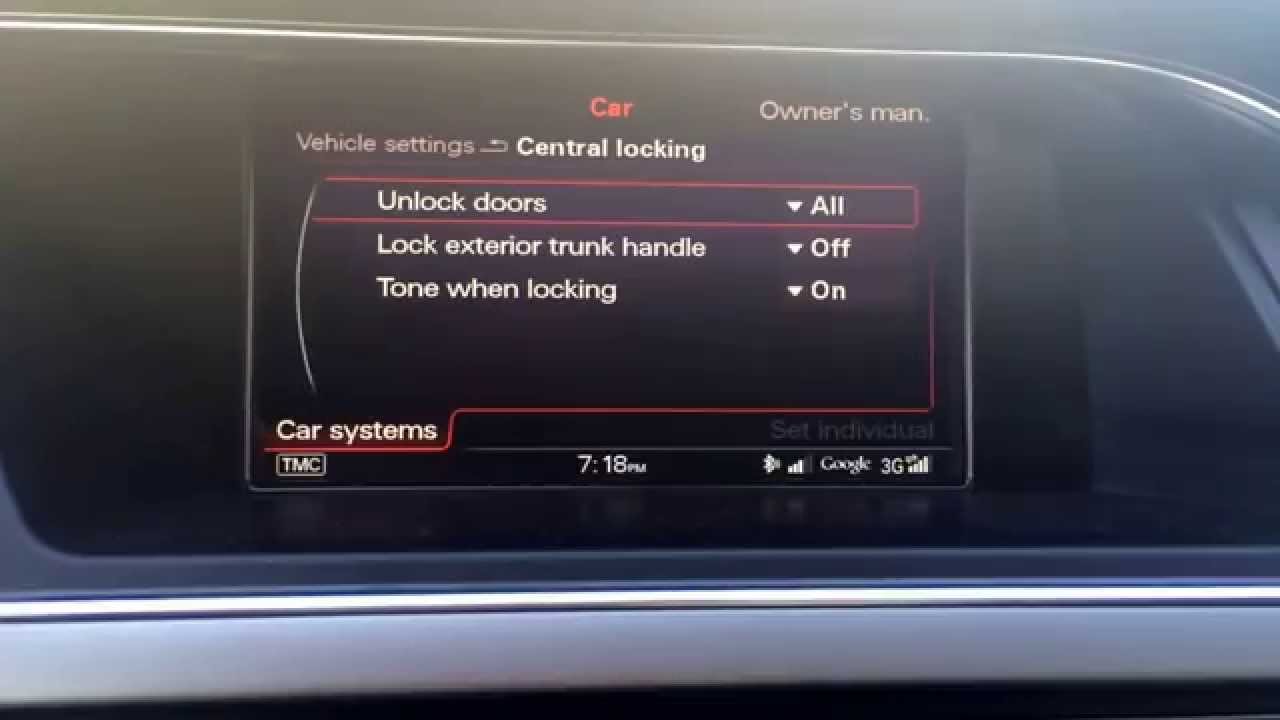
Audi Central Locking Malfunction

Imagine being locked out of your vehicle, unable to access the freedom you desire. This is a reality faced by those with an Audi central locking malfunction.

In this article, we will explore the logical steps required to diagnose and solve this issue, allowing one to regain their independence as soon as possible.

From checking the lock actuator to replacing the central locking system, each step requires attention and understanding of automotive systems in order to bring about a successful resolution.

Key Takeaways

  • Diagnosing the central locking malfunction involves investigating fuses, relays, wiring, and control modules for any issues.
  • Checking and adjusting the lock actuator may be necessary, including inspecting tension, resetting the module, and checking electrical connections.
  • Lubricating the locks with a suitable automotive lubricant can help prevent issues and troubleshoot any noise.
  • Checking the door wiring involves examining fuses, circuits, connectors, and wiring harnesses for any damage or loose connections.

Diagnose the Problem

An evaluation must be conducted in order to diagnose the central locking malfunction in an Audi. To start, it is essential to investigate the fuses and relays associated with the system. Are there any blown fuses or failed relays? If so, they need to be replaced.

After that, inspect all of the wiring components connected to the system for cuts, frayed wires, and corrosion. It is also necessary to check for loose connections which can cause malfunctions with the system as well.

Lastly, examine any control modules associated with the central locking mechanism for faults and errors stored within their coding systems. Through this detailed process of investigation and testing of parts, one should be able to identify why the system is having issues and address them accordingly.

With a little bit of patience and knowledge about automotive systems, anyone should have no problem getting their Audi’s locks back up and running again in no time at all!

Check the Lock Actuator

The lock actuator should be inspected to determine whether it is functioning correctly. It is important to check the tension of the actuator, as well as the functionality of all its components:

  • Locking Mechanism:
  • Adjust tension in locking mechanism if needed.
  • Reset module.
  • Electrical Connections:
  • Check all electrical connections for dirt or corrosion.
  • Inspect any visible signs of wear and tear.

A malfunctioning lock actuator can lead to a range of issues related to security and safety, so it is essential that this part is checked thoroughly before any other solutions are attempted.

The next step is to lubricate the locks in order to ensure smooth operation of the system.

Lubricate the Locks

Lubrication of the locks is necessary to ensure smooth operation of the system. To troubleshoot noise and inspect seals, use a lubricant specifically designed for automotive systems. This will help reduce friction and wear on the internal components. It is important to note that harsh chemicals should not be used as they can corrode or damage the system.

The lubricant should be applied in small amounts directly onto the moving parts of the lock actuator, such as pins, springs, and latches. After application, it is important to wait a few minutes for it to take effect before testing the locks again. Doing this regularly can help maintain smooth operability and prevent future problems with your Audi central locking system.

Next up in our problem solving journey is checking out wiring connections at each door to make sure everything is properly connected.

Check the Door Wiring

Inspecting the wiring connections at each door is an important step in remedying a locking system malfunction. To ensure optimal performance and safety, it’s necessary to:

  • Check all fuses for continuity
  • Examine the circuit for frayed or damaged wires
  • Test the connectors and wiring harnesses for proper connection
  • Ensure all grounds are securely connected

These steps must be taken to properly identify any electrical issues that could be causing the malfunction.

Next, it’s time to move on to checking for other potential causes.

Check for Electrical Issues

Testing of electrical components is essential to identify any electrical issues that may be causing a locking system malfunction. The circuit wiring must be tested using appropriate diagnostic equipment for any damaged or loose connections, and fuses should also be checked to ensure they are not blown.

The battery voltage must be measured to ensure it is providing adequate power. If these tests show no fault, then a more detailed examination needs to occur by probing for current flow within the circuits while actuating the door locks with a scan tool.

This will help identify any faults in the power distribution module or other related components that could cause an intermittent malfunction of the central locking system.

By thoroughly examining all potential causes of failure, it can help empower drivers with confidence in their car’s safety and security features. With this knowledge, they can take steps towards replacing the central locking system if necessary.

Replace the Central Locking System

Having identified the electrical issues with the central locking system, it is now necessary to consider replacing the entire system. This process includes following a few essential steps, such as:

  • Obtaining an installation guide for the new system
  • Ensuring all safety precautions are taken during installation
  • Disconnecting and removing the old central locking system completely
  • Installing and connecting the new central locking system properly.

A systematic approach to replacing the central locking system is key, so that it functions correctly and provides complete control of vehicle security systems.

It is important when looking for a replacement part or installation guide to make sure that they match the make and model of your car exactly. It is also essential that safety precautions are taken during this process in order to protect yourself from any electrical hazards.

Frequently Asked Questions

How much does it cost to replace the central locking system?

Diagnosing the issue and troubleshooting problems with a central locking system can be costly, depending on the complexity of the problem. Professional expertise and logical problem-solving skills are needed to accurately assess the underlying cause. Solutions may range from simple repairs to complete replacement, so it is important to consider costs before making any decisions.

Is it necessary to hire a professional to repair the central locking system?

Whether a professional should be hired to repair the central locking system depends on the severity of the malfunction and its complexity. Keyless entry and remote control systems require specialised knowledge; if these are affected, then it is recommended to seek an expert’s advice. Otherwise, assessing and taking necessary steps can be done with basic technical abilities.

What precautions should be taken when working on the central locking system?

When tackling any automotive system, preventive maintenance and logical problem-solving skills are key. Disconnecting the power supply, making sure all tools are in working order, and double-checking connections before testing should be a priority. Freedom from malfunction is paramount; with the right attention to detail and knowledge of systems, it can be achieved.

Are there any safety risks associated with a malfunctioning central locking system?

Yes, there can be safety risks associated with a malfunctioning central locking system. These include broken keys due to faulty sensors, making it difficult for the driver to access and exit the vehicle. Additionally, an inoperable central locking system may cause security concerns as the car cannot be locked properly.

Is there a way to prevent the central locking system from malfunctioning in the future?

Diagnosing issues, replacing parts, and possessing logical problem-solving skills are key to preventing future central locking system malfunctions. Regular maintenance and inspections can detect potential problems before they arise, allowing for timely repairs with quality replacement parts that guarantee a secure and reliable locking system.

Audi central locking

Conclusion

To conclude, diagnosing and fixing central locking malfunction in an Audi can be a complex process. The locks must be checked for any physical damage, lubricated, the wiring inspected and any electrical issues addressed. If all these checks are unsuccessful, then it may be necessary to replace the entire system.

As the adage says: ‘prevention is better than cure’, it is best to regularly inspect and maintain vehicles to avoid such malfunctions occurring in the first place. With a logical problem-solving approach and detailed knowledge of automotive systems, it is possible to diagnose and repair this type of issue efficiently.

Audi A4 Seat Won’t Slide – Fix Now

Imagine the frustration of sitting in your Audi A4 with a seat that refuses to slide. It is like being trapped, unable to move freely in this luxurious vehicle.

This article explores the issues surrounding an Audi A4 seat that will not slide and potential solutions to help you regain your freedom. Learn about the common causes for this problem as well as troubleshooting techniques, replacing components, and cleaning the tracks.

Key Takeaways

  • The Audi A4 seat provides comfort, support, and safety for passengers.
  • Seat sliding issues can be caused by track obstructions or loose bolts.
  • Troubleshooting, track cleaning, and part replacement can resolve the problem.
  • Regular maintenance is important to prevent seat sliding issues.
Inside an Audi car

Overview of the Audi A4 Seat

The Audi A4 seat is a component of the vehicle designed to provide seating and comfort for the passengers. It is constructed with high quality materials such as leather, cloth, vinyl, and foam. It is designed to provide adequate support while offering comfort and ergonomic features such as adjustable headrests, lumbar support systems, and height-adjustable cushions.

The seat frame is made of steel or aluminum depending on the model year. The upholstery options available vary by trim level and can include heated seats and power adjustability.

All these features contribute to an overall comfortable seating experience for all occupants regardless of size or shape. Furthermore, it offers excellent crash protection due to its rigid structure that absorbs impact energy in the event of an accident.

This helps ensure occupant safety while also providing superior driving performance in terms of ride comfort and handling stability. Such characteristics make the Audi A4 seat an ideal choice for those seeking a comfortable yet safe ride.

Transitioning into common causes behind why a seat may not slide, there are several factors that should be considered when troubleshooting this issue.

Common Causes of the Seat Not Sliding

In some cases, a malfunctioning seat slider can be attributed to issues with the track system. This is often caused by either gummed up rails or loose bolts preventing the seat from sliding properly.

Gummed up rails are created when dirt and debris accumulates on the tracks, resulting in an obstruction of movement.

Loose bolts occur due to prolonged usage or improper installation, causing the seat to shake as if it were free-floating.

Both of these problems can be addressed through troubleshooting, allowing for freedom of movement between different positions without any disruptions.

Troubleshooting the Problem

Troubleshooting the problem may involve inspecting the track system for any signs of debris or loosened bolts. Adjusting tension on cables and lubricating rails can help to promote smoother movement of the seat.

The power seat motor may need to be tested with a voltage meter if it is not functioning properly, and wires should be carefully inspected for possible damage or loose connections. If necessary, the fuse relating to the power seat should be checked and replaced if needed. It is also important to check the wiring harnesses that connect to the switch that controls movement of the seat in order to ensure they are firmly connected.

Finally, it may be necessary to remove some interior panels in order to access areas where debris can accumulate and interfere with proper functioning of the track system. With these steps taken, one can then proceed to replace any worn out parts in order to restore smooth sliding operation of an Audi A4’s seat.

Replacing the Seat Track

Replacing the seat track may require disassembly of interior panels to gain access to the area. It is important to check for any damaged or worn parts, and adjust tension on all rails if necessary. If they appear to be in good condition, lubricating them with a silicone spray can help ensure smooth operation. Tightening or replacing any bolts that are loose can also help prevent unnecessary wear and tear on the components.

When everything is secured, check for proper alignment of the tracks before reassembling the car’s interior panels. Finally, it is important to verify that all connections have been properly made and tested prior to operating the seat. With these steps complete, attention should turn towards replacing the motor if needed.

Replacing the Motor

@ Midjourney AI Image Prompt: /imagine prompt:A mechanic replacing the motor of an Audi A4, with tools and a new motor on the ground next to the open driver’s seat, which is stuck in place. –v 5.2 –ar 16:9

The motor may need to be replaced if the seat is not functioning correctly. Installing a new motor requires removing the old one from its track and replacing it with a compatible model. To ensure compatibility, always check the manufacturer’s specifications before purchasing a replacement motor.

After installing the new motor, test it by applying voltage across its terminals using a multimeter or other suitable device. If all connections are secure and there is no voltage drop, then the seat can be powered up to check for functionality. In some cases, however, more troubleshooting may need to be done in order to get the seat working properly again.

Cleaning existing tracks can often help restore proper motion of the seat.

Cleaning the Tracks

@ Midjourney AI Image Prompt: /imagine prompt:Close-up of a person’s hands working on a car’s seat slider mechanism, with a cloth and cleaning solution to remove dirt and grime from the tracks. –v 5.2 –ar 16:9

Having identified the motor as a potential cause of the Audi A4 seat’s inability to slide, it is important to consider the tracks that facilitate its movement. Cleaning these tracks can be a critical step in restoring functionality and should form part of any regular maintenance schedule.

To begin, take a soft cloth and gently wipe away any dust or debris that may have accumulated on the tracks. It is important not to use any harsh chemicals during this process as they could damage the delicate parts of the mechanism.

Additionally, lubricating oil can be applied periodically to ensure smooth motion along both sides of the track.

Following these cleaning tips will help ensure that your Audi A4 seat slides properly for years to come.

cup holders and gear shift in an Audi A4

Frequently Asked Questions

What is the average cost to replace an Audi A4 seat track?

The average cost to replace an Audi A4 seat track can vary widely depending on the type of alternative solutions and professional advice required. Factors such as labor, parts, and other services may influence this cost. It is advised to consult a professional for more specific information about potential repair costs.

How often should I clean the tracks on my Audi A4 seat?

Maintaining track cleanliness is essential for optimal performance of a seat. Cleaning frequency depends on the environment, but generally should occur at least every few months. Tracks should be inspected for dirt and debris build-up to ensure smooth movement and proper functioning. Appropriate cleaning products should be used to remove any contaminants that may cause damage or impede operation.

Are there any safety considerations when troubleshooting an Audi A4 seat issue?

When troubleshooting seat issues, it is important to consider the safety of any locking mechanisms, seat lift, and adjustments in both angle and depth. It is necessary to ensure that all components are properly secured before use to prevent risk of injury or damage.

Are there any other components that could cause the seat not to slide?

When troubleshooting issues with a seat not sliding, it is important to consider whether the tension needs adjusting or if the motors need checking. Other components that could cause this issue include cables, tracks, and hardware. It is also worth assessing any related sensors or wiring systems.

What is the best way to access the motor for the Audi A4 seat?

Diagnosing issues and troubleshooting tips for the best way to access the motor can be achieved with remarkable precision! A detailed, knowledgeable approach that enables freedom of exploration is key in finding the optimal route. Let the journey begin!

How to Fix power seat on Audi A4

How to Fix power seat on Audi A4 a6 Allroad if it wont move

Conclusion

The Audi A4 seat is a complex mechanism that requires proper maintenance in order to work properly. If it fails to slide, some common causes are a broken seat track, malfunctioning motor, or dirt and debris on the tracks.

The troubleshooting process should begin by cleaning the tracks and inspecting them for damage. If this does not fix the issue, then replacing either the seat track or motor may be necessary.

Thus, fixing an Audi A4 seat that won’t slide can take time and effort but is ultimately achievable with patience and dedication.

How much of your own time are you willing to invest in restoring your car’s functionality?

Audi S5 Motor Tuning: Unleash the Power Within

The Audi S5, a high-performance version of the A5, is already an impressive car with its powerful engine and sporty design. However, for those seeking even more exhilaration on the road, tuning the S5 can take its performance to new heights. In this comprehensive guide, we will explore the various options for tuning the Audi S5 motor, from engine upgrades to exhaust systems and more. So buckle up and get ready to unleash the power within your Audi S5.

Understanding the Audi S5 Engine

Before diving into the world of tuning, it’s important to have a solid understanding of the Audi S5 engine. The S5 has seen different engine options throughout its various generations. The B8/8T models (2007-2012) were equipped with a 4.2-liter V8 engine, while the B8.5/8.5T models (2013-2017) and B9 models (2017-present) feature a 3.0-liter V6 engine with forced induction.

Engine Versions Offered in the S5

The S5 is available with different engine versions, depending on the model year and generation. Here are the engine options you may come across when tuning your Audi S5:

  • 4.2 L CAU V8 FSI
  • 3.0 L CAKA/CCBA V6 TFSI EA837
  • 3.0 L CWGD V6 TFSI

Each engine version comes with its own unique characteristics and tuning potential. It’s essential to consider the specific engine in your S5 when choosing the right tuning upgrades.

Audi S5 Motor Tuning: Unleash the Power Within 11


Enhancing Performance with Engine Tuning for Your Audi S5

Engine tuning is a critical procedure that can elevate both performance and driving pleasure in your Audi S5. By optimizing various parameters, engine tuning can increase fuel efficiency, unlock additional horsepower and torque, and enhance throttle responsiveness. With customization options tailored to your preferences, engine tuning allows you to personalize your Audi S5 and elevate your driving experience.

Stage 1 Upgrades: Enhancing Performance with Minimal Adjustments

The first step in engine tuning upgrades typically involves stage 1 modifications. These upgrades focus on improving engine performance without necessitating major internal component adjustments. Common stage 1 enhancements include performance remaps, high-flow air intake systems, performance exhaust systems, and enhanced intercoolers for forced induction engines. These modifications provide noticeable performance improvements while maintaining reliability.

Stage 2 and Beyond: Unleashing Greater Performance Potential

While stage 1 upgrades offer significant benefits, stage 2 and beyond provide even greater performance gains. However, these stages require more substantial adjustments to the engine. Stage 2 modifications may include reinforced engine internals, performance camshafts, upgraded fuel injectors, and enhanced turbochargers. By increasing boost pressure and airflow, these enhancements can deliver substantial power gains and elevate overall performance.

Considerations for Cost and Investment

The cost of engine tuning for your Audi S5 can vary depending on the extent of modifications and the specific changes chosen. While stage 1 upgrades may range from a few hundred to a few thousand dollars, modifications at stages 2 and beyond can significantly increase the overall cost. It’s essential to consider both the upfront investment and the long-term benefits when planning engine tuning for your Audi S5.

Working with Trusted Specialists for Quality Installation

To ensure a high-quality installation and minimize future issues, it’s crucial to work with reputable specialists and tuners who specialize in Audi S5 tuning. These experts have the knowledge and experience to perform modifications effectively while prioritizing the reliability and performance of your vehicle. By entrusting your Audi S5 to skilled professionals, you can optimize its engine performance and elevate your driving experience with confidence.

Unleash the Full Potential of Your Audi S5

By fine-tuning the engine of your Audi S5, you can unlock its maximum potential and transform your driving experience. Whether you opt for stage 1 upgrades or pursue more extensive modifications, engine tuning allows you to tailor your vehicle to your preferences and enjoy enhanced performance on the road. With careful consideration, investment, and collaboration with trusted specialists, you can unleash the full power and capabilities of your Audi S5.

2003 Audi A4 Transmission Problems

The 2003 Audi A4 is a popular car, but many owners experience transmission problems. The average lifespan of an Audi transmission is nearly 200,000 miles or more with proper maintenance.

However, when the transmission begins to fail, it can be costly and time consuming to get it repaired. This article will explore common issues associated with the 2003 Audi A4 transmission and how to spot potential problems before they become catastrophic.

It will also provide information on checking and changing the transmission fluid as well as addressing other common issues such as a faulty range sensor that may arise from normal wear and tear or faulty parts.

Key Takeaways

  • The 2003 Audi A4 is a popular car with transmission problems.
  • Regular maintenance and fluid checks can help prevent transmission problems.
  • Common issues with the 2003 Audi A4 transmission include erratic shifting, burning smell, and clunking noises.
  • Regular inspections can help identify potential transmission issues early on.
Audi A4 Transmission graphic image

Maintaining Audi A4 Transmission Health

Unpredictable shifting, burning smells, or clunking noises during acceleration may signal a malfunctioning Audi A4 transmission. These signs necessitate examination by a qualified professional. Audi offers various transmission options, including manual and automatic models. Common issues include solenoid malfunctions, valve problems, sensor issues, fluid leaks, worn-out clutches, and electrical faults. Adhering to maintenance schedules and regularly inspecting the transmission system for warning signs can prevent costly repairs.

Prolonging Transmission Lifespan

With routine maintenance, an Audi A4 transmission can typically last up to 150,000 kilometers. Regular maintenance, such as transmission fluid replacement, can extend lifespan and prevent expensive repairs. It’s advisable to check transmission fluid every 30,000 miles to detect potential issues early and ensure smooth performance.

Fluid Checks and Replacement

Regularly checking fluid levels is crucial for smooth transmission operation. This involves locating the Transmission Fluid Dipstick, cleaning off excess fluid or debris, and inspecting for impurities. Frequent inspections can prevent expensive repairs and facilitate quick troubleshooting when necessary.

Transmission Fluid Replacement

Changing transmission fluid requires precision to avoid overfilling or underfilling, which can cause significant damage. The process involves draining old fluid, adding fresh oil, replacing filters, and removing air pockets. Proper fluid levels are essential for optimal engine performance and fuel efficiency.

Gearbox Range Sensor Maintenance

The gearbox range sensor is vital for optimal engine performance and fuel efficiency. A malfunctioning sensor can lead to jerking, harsh shifting, instability during braking, and improper automatic transmission shifting. Diagnosis involves connecting a scan tool, checking voltage output, and inspecting electrical connections for corrosion or loose pins.

Preventive Maintenance and Expert Checks

Regular maintenance by qualified professionals is essential to prevent potential issues and ensure reliable driving. Powertrain faults can cause various transmission problems, including slipping gears, solenoid failure, grinding noises, and faulty synchronizers. Routine maintenance, such as fluid changes and leak checks, can prevent further damage and expensive repairs.

Conclusion

With proper maintenance and attention to detail, Audi A4 transmissions can last between 80,000 and 120,000 miles on average. Performance versions may have shorter lifespans due to increased strain on transmission parts. Using high-quality replacement parts and performing regular fluid changes with OEM-approved components can ensure transmission health and longevity. Owners can drive confidently knowing their transmission is well-maintained and reliable for many kilometers.

Frequently Asked Questions

What are the common signs of a bad Audi transmission?

Common signs of a bad transmission include delayed response when shifting gears, slipping between gears, difficulty getting into gear, loud grinding noises while shifting or driving, and excessive vibration or shaking while driving.

How much does it cost to repair a 2003 Audi A4 transmission?

“No two situations are the same; thus, there is no one-size-fits-all answer to the cost of repairing a 2003 audi a4 transmission. Depending on the severity of the issue, it could range from hundreds to thousands of dollars. Considering the complexity of transmission repairs, it is important to do your due diligence and shop around for competitive pricing.”

What is the best way to maintain a 2003 Audi A4 transmission?

The best way to maintain a transmission is by regularly checking the fluid levels, having it serviced at regular intervals, and ensuring all parts are properly lubricated. This will help prevent wear and tear, improve performance, and extend the life of the transmission.

How do I check the transmission fluid level for a 2003 Audi A4?

To check the transmission fluid level for a 2003 Audi A4, first locate the dipstick and remove it. Next, wipe it clean using a lint-free cloth or paper towel, then reinsert it fully. Finally, remove the dipstick again and read the level of fluid indicated on it.

Is it possible to replace a 2003 Audi A4 transmission with a newer model?

It is theoretically possible to replace a 2003 Audi A4 transmission with a newer model. However, the compatibility of both parts must be verified before any replacement is attempted. It may also require additional modifications in order to ensure the successful integration of the new transmission into the vehicle’s existing system.

Conclusion

The 2003 Audi A4 is equipped with a transmission that is prone to wear and tear over time. The transmission range sensor can be particularly problematic and should be checked regularly for any signs of malfunctioning.

In addition, regular fluid checks and changes are important in order to keep the system running smoothly. Although it cannot be guaranteed how long an Audi transmission will last, proper maintenance is essential in order to maximize its lifespan.

With diligent upkeep, drivers can enjoy the luxury and performance of their vehicles for many years to come.

Audi A4 B5 Auxiliary Fan Not Working

Are you experiencing a frustrating issue with your Audi A4’s auxiliary fan? You’re not alone. Many Audi A4 owners have reported that their auxiliary fan isn’t working properly.

This can be a pain, but the good news is that it’s usually not a major issue. With a little elbow grease and patience, you can diagnose and fix the problem yourself.

This article will give you an overview of the auxiliary fan, walk you through the troubleshooting process, and provide instructions for fixing the issue.

So if your Audi A4’s auxiliary fan isn’t working properly, don’t panic. Just take a deep breath and follow the steps outlined in this article. You can get your car back in working order in no time.

Key Takeaways

  • The auxiliary fan in Audi A4 B5 models is responsible for providing additional cooling to the engine and preventing overheating.
  • Symptoms of a faulty auxiliary fan include steam from the engine, high engine temperature, and loud noises.
  • Diagnostics for the fan issue involve checking coolant levels, inspecting the fan belt, and replacing the fan if necessary.
  • Troubleshooting the auxiliary fan includes listening for noisy operation and checking for low airflow, which can be caused by issues with the fan blades, motor, or coolant leaks.

What does an auxiliary fan do?

An auxiliary fan’s purpose is to provide additional cooling to an engine, and it can draw up to 30 amps of current to do so. It is designed to operate when your engine is under heavy load, such as when you’re driving uphill or towing a trailer.

The auxiliary fan can prevent your engine from overheating, as it helps to keep the engine’s temperature at a safe level. It’s typically triggered by heat sensors, which detect when the engine gets too hot. If the fan is working correctly, you should hear a low-level fan noise when it’s engaged.

If your auxiliary fan isn’t working, then you may experience overheating issues, which can lead to more serious problems. Knowing the warning signs of a faulty fan can help you avoid any serious damage to your engine.

Transitioning now to how to know if your engine fan is bad.

How do I know if my engine fan is bad?

You could be in trouble if your engine fan isn’t working – don’t let a faulty fan ruin your ride! Preventative maintenance is key to prevent overheating and other engine problems. If your Audi A4 B5’s auxiliary fan has stopped working, there are a few symptoms to look out for.

SymptomsDiagnostics
Steam from the engineCheck coolant levels
High engine temperatureReplace the fan
Loud noises from engineInspect fan belt

Engine diagnostics are important to identify the root cause of the malfunctioning fan. If these symptoms persist, it is likely that the fan has gone bad and needs to be replaced. Keep in mind that regular maintenance is key to keeping your engine in good condition and preventing any future problems. Transitioning to a troubleshooting approach is the next step to determine the cause of the malfunction.

troubleshooting auxiliary fan in Audi A4

Is your engine heating up? You might have a malfunctioning auxiliary fan on your hands! Troubleshooting an issue with your Audi A4 B5’s auxiliary fan can be tricky.

Start by listening for any noisy operation indicating a problem with the fan motor. If you don’t hear any odd noises, then check for low airflow. If the airflow is weak, it could be due to issues with the fan blades or motor.

Also, check for any coolant leaks that could be causing the fan to struggle. If you find any of these problems, you’ll need to take the next steps to fix your auxiliary fan.

how to fix auxiliary fan

The engine’s temperature is rising, and the auxiliary fan isn’t doing its job. To fix the issue, you must first check the cooling system for any problems.

Open the hood and check the radiator for any cracks, leaks, or damage. If the radiator looks okay, check the coolant level and fill it to the manufacturer’s specifications. If the coolant level is fine, you’ll need to replace the fan motor or the fan housing.

Replacing the fan motor is a simple process. Unplug the wiring harnesses and unscrew the fan motor from the housing. Then, install the new fan motor and reconnect the wiring harnesses.

If the fan housing is damaged, you’ll need to remove the radiator and replace the fan housing and fan blades. Once the fan housing is replaced, reinstall the radiator and check for any overheating issues.

With the cooling system in good condition, your Audi A4 should be running cool again.

audi a4 auxiliary fan keeps running

If your Audi A4’s auxiliary fan keeps running, it’s time to take action and get it fixed before it causes any further problems. The auxiliary fan helps regulate the temperature of the engine, and when it’s running constantly, it can cause overheating issues and air flow problems. To diagnose the root cause of the issue, it’s important to look at the temperature sensor, fan relay, and fan motor. A diagnostic check of the fan can help identify the source of the issue.

Temperature SensorFan RelayFan Motor
Checks engine tempControls powerRegulates air flow
Regulates fan speedActivates fanCan overheat
Can failCan failCan fail
Can cause overheatingCan cause air flow issuesCan cause temp regulation issues

It’s important to take the appropriate steps to identify the source of the issue and fix it, as the auxiliary fan is responsible for regulating the temperature of the engine.

audi a4 auxiliary fan relay

Don’t let a faulty auxiliary fan relay ruin your Audi A4’s performance and put you in hot water! The fan relay is an important component of the cooling system, controlling the power that’s sent to the fan.

It’s important to understand the different types of fans and common malfunctions that can occur in order to diagnose the issue. In the Audi A4 B5, the fan relay is typically located near the front of the radiator.

To replace the relay, the wiring must be disconnected, the old relay removed, and the new one installed. Be sure to check the wiring for any signs of wear or damage before making the switch.

The fan relay wiring should be connected to the battery and the fan motor to ensure the fan is working properly. Make sure to use the proper gauge wire and secure all connections firmly.

With a new fan relay, your Audi A4’s performance will be restored and you’ll be back on the road in no time!

audi a4 auxiliary fan control module replacement

Replacing your Audi A4’s auxiliary fan control module can help restore its performance. Did you know that the module regulates the amount of power sent to the fan and is responsible for up to 80% of the fan’s operation? Diagnosing and repairing the fan can be difficult, but with a few simple steps, you can replace the control module and be back on the road.

  1. Research the make and model of your Audi A4 to find the correct control module.
  2. Disconnect the negative battery cable and then locate the control module.
  3. Remove the old control module and replace it with the new one.

When replacing the control module, be sure to follow all safety precautions. Have the fan operation, fan diagnosis, and fan repair professionally checked if you feel that the replacement wasn’t successful.

Frequently Asked Questions

How often should I replace my Audi A4 B5 auxiliary fan?

You should replace your auxiliary fan if it has been in prolonged usage, or if you notice coolant leakage. Consider the cost comparison to decide if replacing it is the best option, as it may be more economical in the long run.

What are the most common causes of auxiliary fan failure?

Faulty fan troubleshooting can often be a frustrating fix. Electric problems, cooling issues, and worn wiring are common culprits. Identify the root cause to ensure a successful solution. Methodically check connections and inspect components. Take control of the situation and find the freedom to repair.

Are there any preventative maintenance measures I can take to ensure my auxiliary fan is working properly?

To ensure your auxiliary fan is working properly, practice proactive maintenance. Follow troubleshooting tips, such as checking the temperature regulation, and promptly addressing any issues that arise. Taking these steps will help keep your auxiliary fan running smoothly.

Is it possible to replace the auxiliary fan on my Audi A4 B5 without professional help?

Yes, it is possible to replace your auxiliary fan without professional help. Research the different types of fans available, and their associated costs. Follow the troubleshooting steps to identify the issue, and then purchase the appropriate fan to replace it.

What are the warning signs of a failing auxiliary fan?

If your car is at risk of overheating, has clogged filters, or low coolant levels, it’s likely your auxiliary fan is failing. Be aware of these warning signs and take action before it’s too late.

Conclusion

Wrapping up, it’s important to keep an eye on your Audi A4 B5 auxiliary fan. If it doesn’t seem to be working properly, it may be time to take a look at it.

If the fan is running too often or not at all, it’s likely that something is wrong. Don’t forget, the average car has 28 moving parts in the cooling fan system, so it’s important to troubleshoot and fix the issue properly.

According to research, about 80% of car owners don’t know how to perform basic repairs on their vehicles. But now you know how to fix an auxiliary fan in an Audi A4 B5, so you can be part of the 20% that can take care of their own repairs.

Audi A4 2.0t Cylinder 1 Misfire: Causes, Symptoms, And Solutions

Are you feeling the rough ride of an Audi A4 2.0T cylinder 1 misfire? Don’t worry, you’re not alone. Many Audi owners experience this problem and it’s important to know the causes, symptoms, and solutions.

But don’t let a few bumps in the road keep you from enjoying your freedom on the open road. Understanding what’s causing your cylinder 1 misfire is key to getting back on track and driving with confidence again.

So buckle up and prepare for a deep dive into the nitty-gritty details of diagnosing and fixing this issue!

Key Takeaways

  • Cylinder 1 misfire in Audi A4 2.0T is a common issue caused by a bad fuel pump, faulty spark plugs, or dirty air filter.
  • Proper maintenance is crucial to avoid serious issues and maintain optimal vehicle performance.
  • P0301 diagnostic trouble code indicates cylinder 1 misfire in a 2006 Audi A4, commonly caused by clogged fuel injectors, worn spark plugs, or faulty coils.
  • Repairs for P0301 code may involve replacing spark plugs, coil packs, or fuel injectors.

What would cause a cylinder 1 misfire?

You can thank your lucky stars if you’re only experiencing a cylinder 1 misfire, because it could be so much worse!

The causes for this issue in an Audi A4 2.0t are numerous and can include a bad fuel pump, faulty spark plugs, or a dirty air filter.

All of these components are essential for the car’s engine to operate smoothly and efficiently, and if one is not functioning properly, it will result in the car running poorly. Additionally, if any of these parts have recently been replaced but still cause problems, then they may need to be checked again for quality assurance.

Ultimately, proper maintenance is key to ensuring that your vehicle runs optimally and avoiding more serious issues from arising. To conclude, addressing cylinder 1 misfire requires taking into consideration all potential causes ranging from worn out parts to poor maintenance practices.

What causes an Audi A4 to misfire?

An engine misfire can be quite a frightening experience, making your vehicle shake and shudder as you drive. In the case of an Audi A4 2.0T cylinder 1 misfire, there are several possible causes that must be considered.Causes
Clogged Fuel FilterReplace or clean the filter
Spark Plug IssueReplace spark plug(s)
Faulty Ignition CoilReplace ignition coil(s)

The knowledgeable driver will understand how to identify the source of the issue and take appropriate action to ensure their vehicle is running safely and efficiently again.

Working through each potential cause methodically can help ensure proper diagnosis and resolution of the issue quickly, getting them back on the road with peace of mind. With this freedom, they may move confidently into exploring what is P0301 on a 2006 Audi A4?

What is P0301 on a 2006 Audi A4?

P0301 is a common diagnostic trouble code (DTC) that indicates an issue with the cylinder 1 misfire of a 2006 Audi A4. This issue can cause shuddering and shaking as you drive.

The most likely causes are clogged fuel injectors, worn spark plugs, or faulty coils. Ignoring this issue can result in further engine damage, so it’s important to diagnose and address the problem as soon as possible.

To diagnose the problem, you’ll need to check for any stored codes with an OBD-II scanner.

Additionally, inspect the spark plugs for any signs of wear or damage. It’s also important to check the fuel injectors for any blockages or obstructions. If all else fails, you may need to replace the faulty coils or other components to get your car back up and running again.

With proper diagnosis and repair, your 2006 Audi A4 will be back on the road in no time!

How do you diagnose a P0301 code?

Diagnosing a P0301 code requires an in-depth look at the engine to identify the underlying cause of the misfire. Start by checking spark plugs, fuel injectors, and compression issues as they can be common causes of misfires.

A mechanic might use a diagnostic scanner to read codes or may have to inspect components with a borescope. It’s important for mechanics to keep track of all findings during diagnosis so that any potential repairs are targeted correctly.

The data collected from the scans can help pinpoint whether it’s an electrical issue or something more serious like vacuum leaks or faulty sensors that are causing the problem.

Be sure to check for any obvious signs of damage before attempting further diagnosis; this could save time and money in the long run! With thorough inspection and testing of components, diagnosing a P0301 code should reveal what needs repair so it can be fixed properly.

What repairs can fix the P0301 code?

Once the underlying cause of a P0301 code is identified, there are a few repairs that can help fix it. Some common solutions include replacing worn or damaged spark plugs, coil packs, and fuel injectors.

The spark plugs ignite the air-fuel mixture inside the cylinder, helping create power. If they’re worn out or broken, they won’t be able to do their job properly and result in a misfire.

Coil packs take electricity from the battery and transfer it to the spark plugs to provide them with enough energy to ignite the air-fuel mixture. If any of these components are faulty, they need to be replaced as soon as possible to avoid further damage.

Lastly, fuel injectors regulate how much fuel enters each cylinder. If any of them are clogged or not functioning correctly, replacing them should also be considered when attempting to fix a P0301 code.

With these repairs done correctly, you should have no trouble getting your Audi A4 back on track.

audi a4 misfire when accelerating

If you’re noticing your car sputtering and shaking while accelerating, it could be a sign of a misfire problem. Your Audi A4 may have cold start misfiring, which can affect engine performance.

To diagnose the issue, check the ignition components for faults or other problems. It’s possible that one or more spark plug wires are faulty and need to be replaced or tightened. The spark plugs themselves may also be worn out or damaged, so they should be checked too.

If any of these parts have been degraded or damaged over time, they’ll need to be replaced in order to restore proper engine performance. In some extreme cases, the entire ignition system may need to be serviced to get rid of the misfiring problem completely.

Moving on from this issue requires us to investigate cylinder 2 misfire next!

2007 audi a4 cylinder 2 misfire

A common issue for Audi A4 owners is a cylinder 2 misfire, so let’s take a closer look at what this means and how to fix it.

Symptoms include:nn1. Reduced engine performance

  1. Engine vibration
  2. Rough idling
  3. Illuminated check engine light

The cause of the misfire can be traced back to spark plugs that need to be replaced or spark plug wires that are damaged or worn out. Additionally, the problem may be due to air flow issues caused by clogged fuel injectors or vacuum leaks in the intake system.

To fix a cylinder 2 misfire, start by checking the spark plug wires and replacing them if needed. Next, replace the spark plugs with new ones. Finally, inspect all related hoses and connections for any possible leaks or obstructions in airflow.

With these steps taken care of, your Audi A4 should run smoothly again!

Conclusion

You’ve now learned the causes, symptoms, and solutions for a misfire in your Audi A4 2.0t cylinder 1.

While it may seem daunting to diagnose and repair the issue yourself, don’t forget that almost 80% of all car repairs can be done by amateur mechanics with the right tools and knowledge!

With that in mind, don’t hesitate to take on an Audi A4 misfire challenge – you could save yourself a lot of time and money.

2011 Audi A4 Sunroof Wont Close

Imagine driving down the road, the wind gently caressing your face as you enjoy the open air. But suddenly, a dark cloud appears on the horizon – your 2011 Audi A4 sunroof refuses to close.

It’s as if the heavens themselves conspired against you, leaving you exposed to the elements. Fear not, for in this article, we will delve into the depths of sunroof malfunctions and equip you with the knowledge to conquer this issue with ease.

We will explore the common causes of sunroof malfunctions and guide you through troubleshooting steps to get to the root of the problem. From checking and replacing sunroof components to seeking professional assistance, we will leave no stone unturned.

So, dear reader, arm yourself with this technical know-how and never again shall you be at the mercy of a stubborn sunroof.

Common Causes of Sunroof Malfunctions

You’re probably wondering what could’ve caused your Audi A4 sunroof to malfunction and refuse to close. There are several common causes for sunroof malfunctions that you should consider.

One possibility is that your sunroof may be experiencing leaks, which can result in water entering the vehicle. This can lead to costly repairs, as you may need to address any water damage and replace seals.

Another potential cause is a faulty sunroof motor, which may need to be replaced. Sunroof repair costs can vary depending on the extent of the issue and the specific repairs needed.

Now that you understand some common causes of sunroof malfunctions, let’s move on to troubleshooting steps for a stuck sunroof.

Audi a4 b5 sunroof open

Troubleshooting Steps for a Stuck Sunroof

Exhaust all possible remedies before resigning to the belief that the sunroof is forever beyond reach. When troubleshooting a stuck sunroof, there are several DIY repair options to consider before resorting to sunroof motor replacement. To help you in your quest for mastery over your malfunctioning sunroof, follow these troubleshooting tips:

ProblemPossible Solution
Sunroof won’t closeCheck for any obstructions in the sunroof track
Sunroof motor not workingInspect the fuse and replace if necessary
Sunroof stuck halfwayApply lubricant to the sunroof seals and tracks
troubleshoot checklist for stuck sunroof

By following these steps, you can often resolve sunroof issues without having to replace the motor or seek professional help. Once you have exhausted all troubleshooting tips, you can proceed to the next section about checking and replacing sunroof components.

Checking and Replacing Sunroof Components

If you’re experiencing issues with your sunroof, it’s time to check and replace its components for a smooth and trouble-free operation. Start by inspecting the sunroof motor, which is responsible for opening and closing the sunroof. Ensure that it’s securely connected and functioning properly.

audiaid.com

Next, examine the sunroof track to ensure it’s free from debris or obstructions that could hinder its movement. Clean the track if necessary and lubricate it with a suitable lubricant.

Finally, check the sunroof switch, which allows you to control the opening and closing of the sunroof. Test the switch to ensure it’s functioning correctly and replace it if necessary.

By thoroughly examining and replacing these components, you can resolve many common sunroof issues.

If you’re still experiencing problems, it may be time to seek professional assistance for sunroof issues.

Seeking Professional Assistance for Sunroof Issues

When your sunroof problems persist despite your best efforts, it’s time to enlist the expertise of trained professionals who can navigate the stormy seas of sunroof issues.

Finding reliable technicians who specialize in sunroof repair services is crucial to ensuring cost-effective repairs and a long-lasting solution. These experts have the knowledge and experience to accurately diagnose the problem and provide the necessary repairs or replacements. They can identify and fix issues with the sunroof motor, track, cables, or switches, restoring proper functionality to your Audi A4 sunroof.

By entrusting your sunroof repairs to professionals, you can avoid potential DIY mistakes and ensure that the job is done right the first time.

However, preventive maintenance for sunroof functionality is equally important to prevent future issues and maintain the performance of your sunroof.

Transitioning to the next section, let’s explore some effective preventive maintenance techniques for your sunroof.

Fixing Audi a4 b5 sunroof

Preventive Maintenance for Sunroof Functionality

To keep your sunroof in top shape, regular maintenance is key to ensuring its smooth operation and preventing any potential issues from arising. Start by cleaning the sunroof regularly to remove any dirt or debris that may have accumulated. Use a mild detergent and non-abrasive cloth to gently wipe the glass and surrounding areas.

audiaid.com

Additionally, lubricating the sunroof tracks and hinges is essential for proper functionality. Apply a silicone-based lubricant to these parts to reduce friction and ensure smooth movement.

Lastly, periodic adjustment of the sunroof may be necessary to maintain proper alignment and prevent leaks. Consult your vehicle’s manual or seek professional assistance to make any necessary adjustments.

By following these preventive maintenance steps, you can prolong the life of your sunroof and avoid any unexpected issues.

Frequently Asked Questions

How do I manually close my Audi A4 sunroof if it becomes stuck or won’t close?

To manually close your Audi A4 sunroof, locate the sunroof motor inside the vehicle’s headliner. Use a hex wrench to turn the motor clockwise until the sunroof is fully closed. For more troubleshooting and maintenance tips, consult your vehicle’s manual.

Can I prevent my Audi A4 sunroof from malfunctioning by regularly cleaning and lubricating it?

To prevent your Audi A4 sunroof from malfunctioning, perform regular preventive maintenance by cleaning it using appropriate techniques and lubricating it with recommended methods. This will ensure smooth operation and reduce the risk of any issues arising.

Is it possible to replace just the sunroof motor without replacing the entire sunroof assembly?

Yes, it is possible to replace just the sunroof motor without replacing the entire sunroof assembly. When troubleshooting sunroof issues, sunroof maintenance and repair options should be considered.

What are some signs that my Audi A4 sunroof is about to malfunction, and how can I address these issues before they become major problems?

To prevent major sunroof issues, look out for signs like slow or jerky movement, strange noises, or leaks. Regularly clean and lubricate the sunroof tracks, check for loose or damaged parts, and replace the sunroof motor if necessary.

Are there any common issues specific to the 2011 Audi A4 sunroof that I should be aware of?

To master the intricacies of the 2011 Audi A4 sunroof, familiarize yourself with common causes like faulty switches, damaged tracks, or motor issues. Troubleshoot using diagnostic tools, and maintain it with regular cleaning and lubrication.

Conclusion

In conclusion, troubleshooting a stuck sunroof in your 2011 Audi A4 can be a daunting task, but with the right steps and attention to detail, you can resolve the issue.

By following the preventive maintenance tips mentioned, you can also avoid future sunroof malfunctions.

Remember, patience is key when dealing with technical problems like these. So, roll up your sleeves, put on your problem-solving hat, and get ready to tackle any sunroof issues that come your way.

After all, a smooth-functioning sunroof is like a ray of sunshine on a cloudy day, enhancing your driving experience.

Why ESP Light On In Audi A4 B6 – Reasons and Fixes

Are you the proud owner of an Audi A4 B6?

Then you know that one of the most important features on your car is its Electronic Stability Program (ESP).

Why ESP Light On In Audi A4 B6 - Reasons and Fixes 26

Troubleshooting Audi A4 B6 Electronic Stability Program (ESP) Light

The Electronic Stability Program (ESP) light in an Audi A4 B6 indicates a problem with the system controlling electronic stability. Effective troubleshooting and understanding of car systems are essential for addressing the ESP light. To reset it, disconnect the battery for 30 seconds, diagnose any issues, and check for fault codes. Seek advice from a mechanic or specialist if simple troubleshooting methods fail.

Possible Causes and Solutions

Several issues can cause the ESP light to illuminate, such as problems with the wheel speed sensor, faulty wiring, brake system faults, and steering wheel malfunctions. An OBD-II scanner can be used to scan for fault codes and inspect brakes and wheel speed sensors for wear or damage. If the problem persists, contact a certified service center for repairs and further diagnostic testing.

The ESP light may illuminate during acceleration due to electrical system malfunctions or issues with the engine control unit’s performance. Use a diagnostic scanner to check vehicle codes and reset any detected problems. Ensure that aftermarket parts are compatible with the vehicle’s original setup.

Diagnostic Methods and Solutions

Investigate the cause of the ESP light, which may include ABS hardware or software failure, brake system component damage, or a malfunctioning steering angle sensor. Employ appropriate diagnostic methods and double-check all connections and codes before resetting anything. Additional testing may be necessary if problems persist to identify underlying defects.

Utilizing Resources and Reset Procedures

Consult the owner’s manual for comprehensive information on ESP faults and diagnosis procedures. Robust diagnostic tools like VAG-COM or VCDS software can aid in locating and resolving issues. Resetting the ESP light may be necessary, which can involve installing proper software, confirming system components’ operation, or seeking assistance from a qualified technician.

Addressing Traction Control Light and Parking Brake Issues

The traction control light may indicate ESP system issues. Prompt inspection by a mechanic is advised to prevent traction loss or damage to suspension or braking components. Resetting the traction control system involves checking connections, inflating tires correctly, and using the system’s reset button. If necessary, use a diagnostic scan tool or consult a mechanic for assistance.

For parking brake issues, inspect brake components for obstructions or damage, and check the hydraulic system for leaks or blockages. Carefully examine brake light switches, electrical connections, cables, levers, and drum assemblies to identify and address any issues.

By following these steps and utilizing appropriate diagnostic tools, you can effectively troubleshoot and address ESP and related system issues in your Audi A4 B6.

So let’s get started troubleshooting – one step at a time – to turn off that pesky ESP light!

Why ESP Light On In Audi A4 B6 - Reasons and Fixes 27

How do you turn off ESP on Audi?

Figuring out how to turn off the ESP light on your Audi A4 B6 can be a challenge, but with the right approach you can get it done quickly. To reset the ESP light, first check for any codes stored in the system and use those to diagnose any issues that may be causing it. Once these are addressed, resetting is as simple as disconnecting the battery for 30 seconds and reconnecting it again.

ActivityInstructionsRisks
ESP ResettingDisconnect Battery, Wait 30 Seconds, Reconnect BatteryLoss of Data/Settings Unintended Vehicle Modifications Poor System Performance Electrical Damage Damage to Other Components Fire Hazard
ESP DiagnosisCheck for Codes, Identify Problems Causing LightSame as AboveESP RisksInoperable Safety Features Poor Handling/Control Brake Failure Increased Risk of Accident or Injury Electrical Malfunction Fire Hazard Vehicle Immobilization

To avoid these risks make sure you have proper knowledge and tools before attempting any repairs yourself. If you feel unsure about what you’re doing, always consult a professional mechanic when dealing with electrical components like ESP systems.

How do I fix my ESP light?

If you’re at a loss for how to fix your ESP light, there are some simple steps you can take to get it done quickly.

For instance, one Audi A4 B6 owner was able to reset their light by disconnecting the battery and reconnecting it after 30 seconds.

To diagnose any underlying causes, check sensors or reset codes as needed. It’s also important to make sure all relevant connections are secure and functioning properly.

If these basic steps don’t solve the problem, consider consulting a mechanic or expert for help in getting the issue resolved. Once everything is working correctly again, enjoy the freedom that comes with a safe and reliable vehicle.

Moving on from this subtopic, let’s look at what might happen if an Audi A4 has its battery changed and then experiences an ESP light on…

Audi A4 ESP light on after battery change

If you recently changed the battery in your Audi A4 and now the ESP light is on, you may be feeling like a ship without sails. Don’t despair—there are several potential solutions to this problem.

First, consider battery load testing to determine if the new battery is supplying enough power for all vehicle components.

Secondly, component diagnostics can uncover any malfunctions with your ESP system or related components.

Finally, make sure that all electrical connections are secure and properly connected after replacing the battery.

If these steps don’t solve the issue, then it’s time to take your vehicle in for professional service to diagnose and repair any underlying faults before attempting to start the engine again.

Audi ESP fault won’t start

When your Audi won’t start and the ESP fault light is glaring, you might feel like giving up hope—but don’t despair! To find a solution, here are some tips:

  • Check for voltage issues in the battery and charge if necessary.
  • Utilize diagnostic testing to pinpoint any problems with the ESP system.
  • Resetting the ESP system may help to solve certain issues.
  • Have a professional look at it if nothing else works.

It’s important to remember that while solving this issue may be intimidating, there’s hope! With the right tools and knowledge, you can get your Audi back on track quickly. If need be, consult a certified technician to reset your ESP system and diagnose any further problems so you can enjoy driving away in no time!

Frequently Asked Questions

How do I reset the ESP light on my Audi A4?

Hard resetting the ESP light on your Audi A4 may solve any technical issues. Consult your dealer service if you need help with this.

How much does it cost to repair the ESP light on my Audi A4?

Diagnose the problem, then research repair costs. Use diagnostic tools to pinpoint the issue. Consider cost, quality and convenience. Don’t settle for less than what you need. Be informed – understand your options. Make an informed decision about repairs that fit your budget and needs.

What are the common symptoms of an ESP fault on an Audi A4?

Common symptoms of an ESP fault on an Audi A4 include sensor issues, wheel alignment problems, and worn brake pads. Be sure to take your car in for regular maintenance to ensure that any potential issues are identified before they become costly repairs.

What should I do if the ESP light is still illuminated after a battery change?

You’re lost in a dense fog, feeling confused and helpless. Don’t worry. Diagnose issues, identify causes, and check sensors to help you navigate your way out of the darkness. Take control of your car’s ESP light with confidence, and find freedom from its illumination.

Is it safe to drive with ESP light on my Audi A4?

It is not recommended to drive with the ESP light on. It could indicate brake system issues, wheel alignment or engine sensor problems. Have your vehicle checked by a professional for safety and to ensure proper functioning of all parts.

Conclusion

Fixing your Audi’s ESP light doesn’t have to be difficult. With the right troubleshooting tips and tricks, you can easily get your car back up and running in no time.

Plus, did you know that about 85% of all ESP related issues are resolved with a simple reset? So don’t despair when your warning light comes on – just take a few minutes to troubleshoot and you’ll be cruising down the road again soon!

Solve The Mystery Of Cold Weather Brakes: Why Do They Squeal In Reverse?


Understanding and Addressing Brake Squeaking Issues

A number of factors contribute to brake squealing, including deteriorating brake linings, debris in drum brakes, damp brake pads, and seal replacement. Brake fading and screeching can result from brake dust accumulation on rotors due to inadequate lubrication, potentially leading to insufficient braking pressure and contact between rotors and pads. Routine maintenance and inspections are crucial for identifying worn parts and replacing them before problems arise.

Causes and Solutions

Old patches worn thin by years of usage may squeal when put in reverse due to corroded pistons, grinding calipers, and worn rotors. Drum brakes should be regularly cleaned and adjusted to prevent debris buildup, which can generate loud screeching noises in reverse gear.

Deteriorating brake linings over time can cause various issues, including early disc pad wear, reduced stopping force, deformed rotors, and improper oil application. Regular maintenance, including changing worn-out linings and ensuring proper alignment and lubrication, is essential for safe and reliable braking performance.

Squealing during reversing can be attributed to moisture in the brake pads, generated by heat buildup, dust collection, and oil contamination. Oil leaks from rubber hoses and piston seals can exacerbate squealing by contaminating the pads and increasing friction with the rotors.

Preventive Measures

Brake maintenance, including seal replacement and cleaning of drum brakes, is crucial to prevent early failures and costly replacements. Routine inspection and replacement of worn-out parts, such as glazed rotors and brake pads, can reduce squealing and minimize vibrations. Coating the backside of brake pads with anti-squeal oil can help reduce squealing and vibrations.

Rain-Related Brake Squeaking

Brake squeaking in wet weather can be caused by water trapped on the brake pads and rotors. Avoid driving through large puddles or standing water, and gently apply the brakes to keep the tires dry. Regular inspection and replacement of worn or damaged brake pads can help identify and resolve rain-related squeaking issues.

Cold Weather Brake Squeaking

Squeaky brakes in cold weather can be caused by worn brake pads, worn rotors, excessive heat, and air in the brake lines. Proper maintenance, regular inspection, and avoiding excessive brake usage can help prevent these issues and ensure peak performance.

Conclusion

By following these tips and conducting regular inspections and maintenance, you can effectively address and prevent brake squeaking issues, ensuring safe and reliable braking performance in various weather conditions.

Is it normal for cold weather brakes to squeal in reverse?

Yes, it is normal for cold weather brakes to squeal in reverse due to decreased brake lubrication and wear from winter maintenance. To prevent this, make sure your brakes are adjusted regularly and receive proper winter maintenance.

What temperature should I expect cold weather brakes to squeal in reverse?

Cold weather brakes tend to squeal in reverse when the temperature drops below 40 degrees. Noisy brakes may also be caused by changes in weather conditions or moisture on the brake pads. Keep an eye on your vehicle and inspect your brakes regularly to help prevent any issues.

What is the best way to prevent cold weather brakes from squealing in reverse?

To prevent cold weather brake squeals in reverse, have a professional perform preventive maintenance, like lube application and brake inspections. This will ensure your brakes are working properly and reduce the chances of an annoying squeal.

Are cold weather brakes more likely to squeal in reverse than other types of brakes?

Yes, cold weather brakes are more likely to squeal in reverse than other types of brakes. To reduce the chances of this occurring, wheel lubrication, rotor cleaning and pad replacement should be implemented. Doing so will help minimize the noise and improve your braking performance.

What is the most common cause of cold weather brakes squealing in reverse?

Regular preventative maintenance, including brake inspections and safety measures, can help reduce the most common cause of cold weather brakes squealing in reverse – worn down brake pads.

Conclusion

Your brakes are a critical part of your vehicle’s safety and performance, so it’s important to pay attention if they start to squeal. Fortunately, cold weather brakes squealing in reverse is usually caused by nothing more than debris or moisture build-up that can be easily fixed.

If the problem persists after cleaning and inspecting your brake system, you may need to replace certain components such as the linings or seal.

To keep your brakes running smoothly, why not make regular inspections part of your regular maintenance routine?

All About Audi

Exit mobile version